

Mouldtech Industries: Advanced Rubber Liners for Efficient Milling
In heavy-duty industrial environments, improving mill efficiency with rubber liners is essential as equipment faces continuous wear and tear from abrasion, impact, and corrosion. Mining operations, metal and steel plants, cement manufacturing units, ceramic production facilities, and bulk material handling systems all contend with these challenges daily. The reliability of critical machinery, such as ball mills and conveyors, directly influences operational efficiency, safety, and overall productivity.
Unexpected equipment downtime, emergency maintenance, and liner failures can result in significant costs, affecting profitability and project delivery schedules. This has fueled the demand for durable and reliable wear protection solutions. Among these, Ball Mill Rubber Liners have become a vital component for extending equipment life and maintaining consistent operational performance.
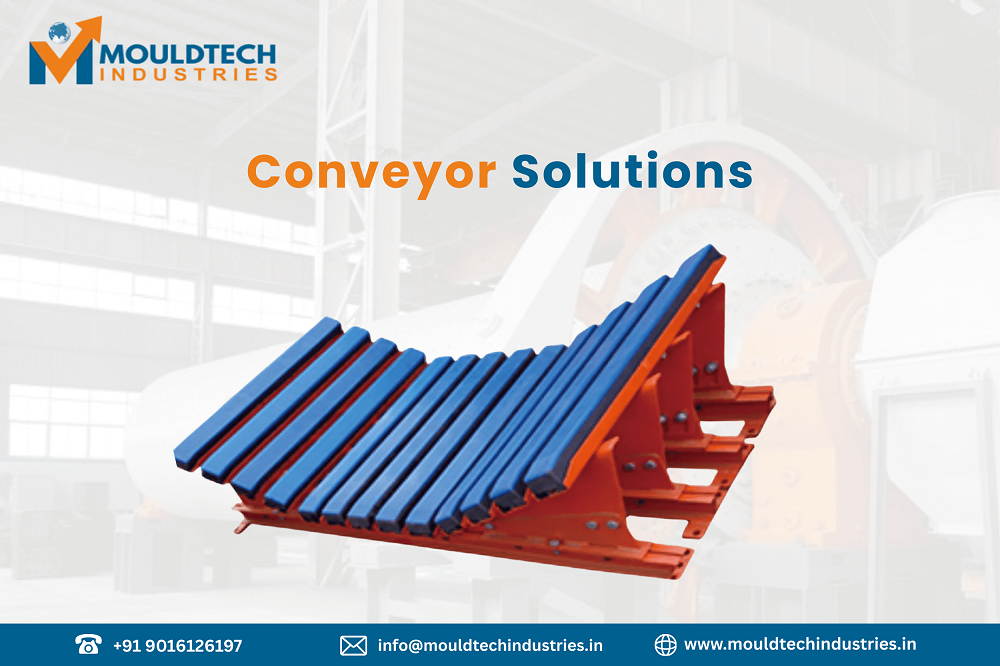
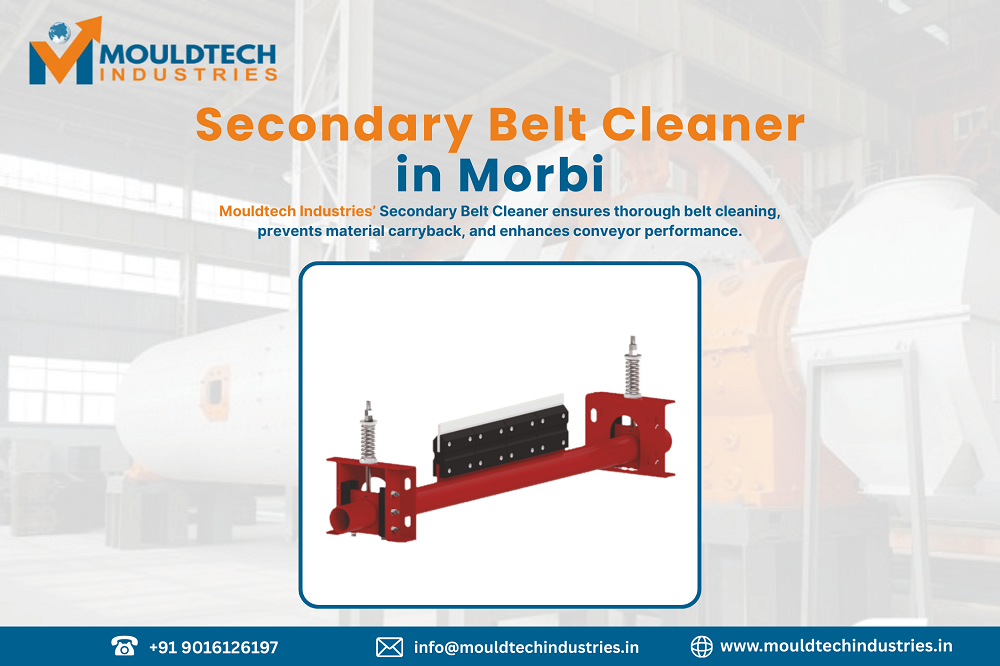
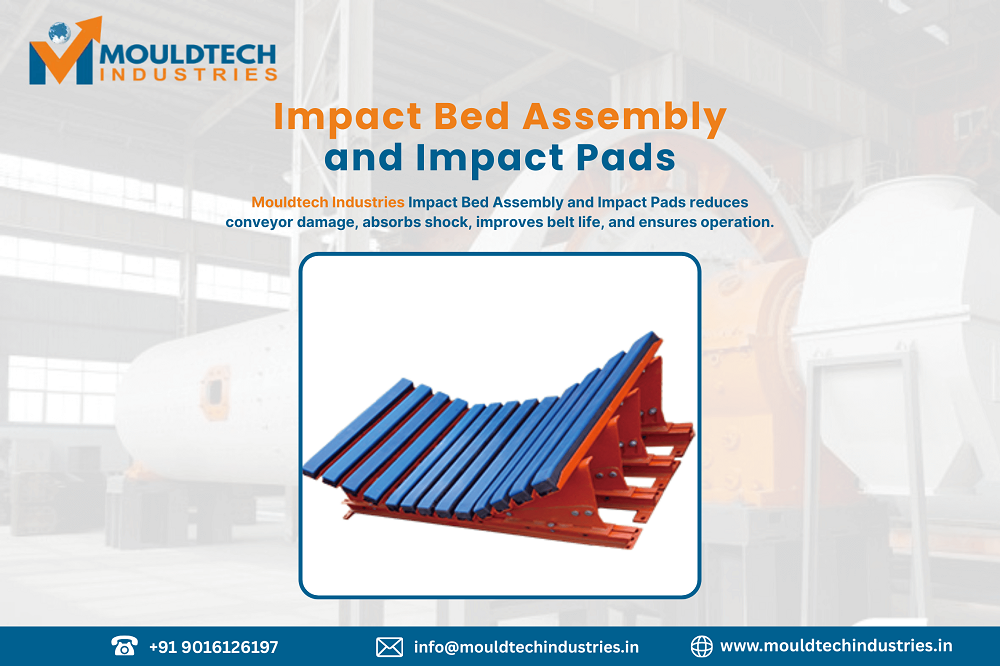
Manufacturers with extensive industry experience know that the right wear protection system reduces maintenance cycles, enhances safety, and optimizes plant efficiency. Mouldtech Industries, a leading provider of industrial wear protection solutions, specializes in designing, manufacturing, and supplying Ball Mill Rubber Liners, ceramic protection tiles, conveyor solutions, and customized rubber lining systems across India and other industrial hubs worldwide. Visit Mouldtech Industries for more details.
Industrial Challenges That Drive Demand for Ball Mill Rubber Liner
Experienced plant engineers often observe that the primary factors contributing to premature equipment wear include:
- Abrasion: Continuous handling of hard, abrasive materials such as ore, clinker, or ceramic granules can erode mill shells and liners, leading to reduced efficiency.
- Impact Loads: In mining and metal processing operations, materials often fall from significant heights within ball mills or chutes, causing severe impact stress on equipment surfaces.
- Corrosion: Chemical reactions from processing raw materials can deteriorate mill liners, conveyor components, and bulk handling systems.
- Downtime: Replacing or repairing worn-out liners halts production, resulting in significant operational losses.
- Maintenance Cost: Frequent maintenance, unplanned labor, and spare parts procurement escalate operational expenses.
These challenges are universal across global industrial environments. Mining clusters in Jharkhand, Odisha, and Chhattisgarh; metal and steel plants in Maharashtra and Gujarat; cement plants in Rajasthan and Karnataka; and ceramic manufacturing hubs in Uttar Pradesh and West Bengal all require robust wear protection solutions to maintain continuous operations.
What Is Ball Mill Rubber Liner?
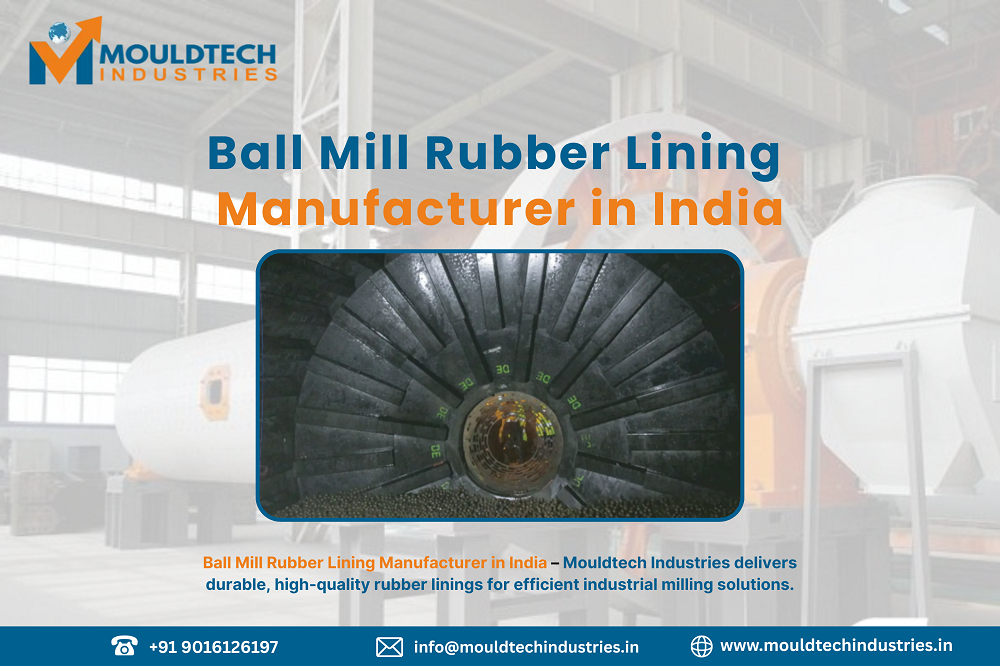
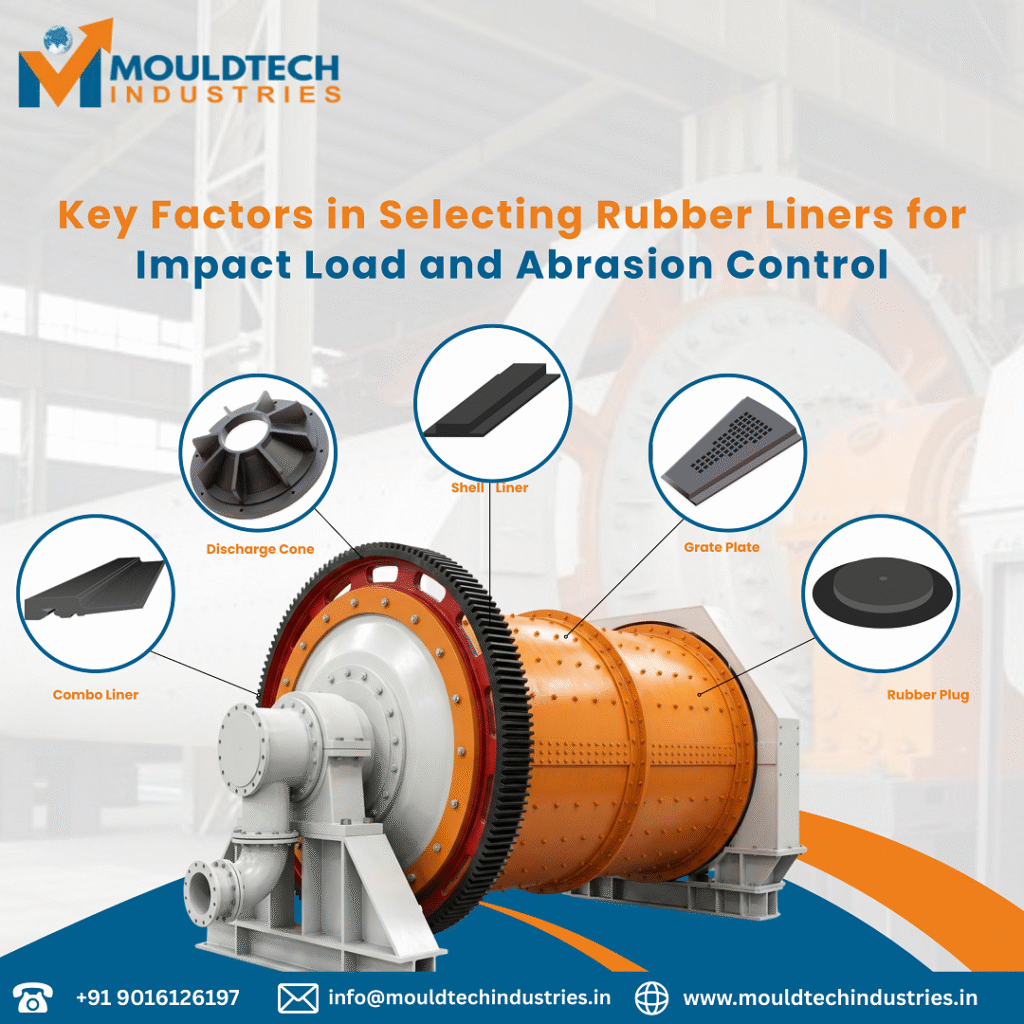
A Ball Mill Rubber Liner is a high-durability lining system designed to protect the inner surfaces of ball mills, reducing wear and impact damage during grinding operations. Unlike conventional steel liners, rubber liners offer enhanced energy absorption, improved noise reduction, and extended wear life in certain material handling scenarios.
These liners are engineered to fit precisely into the mill shell, providing a buffer against direct impact and abrasion from the materials processed. In heavy-duty industrial environments, selecting the correct liner material—whether natural rubber, synthetic rubber, or composite rubber-ceramic combinations—is crucial for achieving optimal operational performance.
Applications Across Industries
Ball Mill Rubber Liners serve a wide range of industrial applications:
- Mining: Used in ore grinding mills, rubber liners protect mill shells from high-impact mineral loads, reducing downtime and maintenance requirements.
- Cement Plants: Grinding clinker and raw materials in ball mills can cause severe abrasion; rubber liners prolong mill life and maintain consistent grinding efficiency.
- Metal & Steel: In operations involving iron ore or metallic concentrates, rubber liners absorb impact loads and reduce equipment noise.
- Ceramic Manufacturing: Handling abrasive ceramic raw materials requires liners that resist wear while maintaining dimensional stability.
- Power Plants: Coal pulverizers and grinding mills benefit from rubber lining for longer service intervals and reduced operational disruptions.
- Bulk Material Handling: Conveyor systems and chutes lined with rubber enhance material flow while minimizing wear and potential damage to structural components.
In each case, equipment reliability directly correlates with operational safety, productivity, and cost efficiency.
Material Science & Engineering Considerations
Designing effective Ball Mill Rubber Liners requires a deep understanding of material science:
- Rubber Properties: High-elasticity rubbers absorb impact energy, reducing stress on the mill shell. Hardness, tensile strength, and elongation properties must be balanced to withstand abrasion without compromising flexibility.
- Ceramic Hardness: For composite liners, ceramic tiles are incorporated to resist extreme wear from highly abrasive materials. The Mohs hardness rating and fracture toughness of ceramic components are critical for performance.
- Wear Resistance Principles: Engineering liners involves selecting materials with high abrasion resistance while maintaining impact absorption to minimize liner fatigue.
- Impact Absorption: Rubber’s natural damping effect reduces vibration and impact forces, preserving both the liner and the mill structure.
By considering these factors, manufacturers can optimize liner longevity and performance under rigorous industrial conditions.
Design & Customization Requirements
Experienced plant engineers often emphasize the importance of custom design for liner systems:
- Equipment Compatibility: Each mill or conveyor system has unique dimensions and load characteristics. Liners must match these specifications precisely.
- Custom Sizing: Panels, bolts, and retention systems are tailored to the mill’s operational profile and material characteristics.
- Application-Specific Design: Some applications may require rubber-ceramic hybrid liners, high-impact zones, or corrosion-resistant coatings depending on material and process conditions.
Proper customization ensures optimal protection, efficient milling, and reduced downtime.
Industry-focused content from Yoast indicates that rubber liners support consistent performance and reliability, making them an essential component in demanding industrial environments.
Manufacturing Quality & Process Control
Manufacturers with long-term industry exposure understand that consistent precision manufacturing is key to industrial performance:
- Precision Manufacturing: Molds and cutting systems are designed for exact replication of liner shapes, ensuring accurate fitment.
- Quality Checks: Hardness tests, tensile testing, and dimensional verification are conducted at multiple stages.
- Batch Consistency: Maintaining uniform properties across production batches ensures predictable wear rates and reduces unplanned maintenance.
Installation & Maintenance Considerations
Ease of installation and maintenance is critical to plant operations:
- Ease of Installation: Modular panel designs enable quicker replacement, minimizing mill downtime.
- Reduced Downtime: Well-engineered liners allow maintenance teams to service the mill efficiently.
- Maintenance Cycles: Rubber liners often extend maintenance intervals compared to steel alternatives, lowering labor costs and operational disruption.
According to analysis shared on Neil Patel, rubber liners contribute to improved efficiency by reducing maintenance frequency and ensuring smoother material flow in heavy-duty applications.
Safety & Operational Reliability
Worker safety and equipment protection are integral:
- Worker Safety: Rubber liners reduce noise, vibration, and material rebound, creating safer working conditions.
- Equipment Protection: By absorbing impacts, liners preserve the structural integrity of mill shells and conveyors.
- Plant Reliability: Consistent wear protection ensures predictable mill performance, reducing unplanned stoppages.
Cost Efficiency Over Equipment Life Cycle
Over the life of industrial equipment, the correct liner can contribute to significant cost savings:
- Long-Term Savings: Durable liners reduce the frequency of replacements.
- Reduced Shutdowns: Minimizing unplanned maintenance preserves production schedules.
- Maintenance Optimization: Optimized liners allow plant engineers to schedule maintenance efficiently, balancing operational and labor costs.
While pricing is application-dependent, long-term operational benefits are quantifiable in reduced downtime and enhanced productivity.
Export Readiness & Global Acceptance
Industrial clients increasingly require export-ready solutions:
- Industrial Export Expectations: Liners must meet international standards for material certification and dimensional accuracy.
- Documentation & Standards Awareness: Certificates of material origin, test reports, and compliance documentation are essential for global acceptance.
- Global Buyer Requirements: Rubber liners for mining, cement, or bulk material handling operations in countries like Australia, South Africa, and the Middle East must comply with export regulations and quality standards.
Research insights highlighted on Ahrefs suggest that rubber liners play a crucial role in protecting industrial equipment from abrasion and impact, helping extend operational life.
Why Experienced Manufacturers Matter?
Selecting a manufacturer with real-world experience ensures reliability:
- Engineering Expertise: Proper material selection and design require knowledge of both materials and plant processes.
- Industry Experience: Familiarity with mining, cement, steel, and ceramic operations enables practical solutions.
- Reliable Supply: Experienced manufacturers can maintain production continuity and support emergency replacements.
Reach out to us today to explore how Ball Mill Rubber Liners can enhance grinding efficiency and protect your equipment from wear in demanding operations.
About Mouldtech Industries
Mouldtech Industries is an experienced manufacturer specializing in Ball Mill Rubber Liners, ceramic wear protection systems, rubber lining solutions, conveyor systems, and related industrial wear protection products. Serving clients across Pan India—including mining hubs in Jharkhand and Odisha, metal and steel plants in Gujarat and Maharashtra, cement plants in Rajasthan and Karnataka, and ceramic manufacturers in Uttar Pradesh and West Bengal—Mouldtech Industries also caters to international industrial markets. Their engineering-led approach ensures precision, reliability, and long-term operational efficiency.
Conclusion:
In mining, cement, metal, ceramic, and bulk material handling operations, Ball Mill Rubber Liners play a crucial role in reducing wear, improving operational efficiency, and enhancing safety. Their material properties, design flexibility, and maintenance advantages make them a practical solution for heavy-duty industrial environments. Plant engineers and procurement managers who prioritize wear protection and operational reliability can rely on experienced manufacturers like Mouldtech Industries to provide industry-tested solutions that meet Pan-India and global industrial requirements.
Contact our team for expert guidance on selecting the right Ball Mill Rubber Liner to improve performance, extend service life, and reduce maintenance downtime.
Key Takeaways
- High-quality wear protection reduces abrasion and impact damage.
- Rubber liners improve operational reliability and reduce downtime.
- Suitable for mining, cement, metal, ceramic, and bulk material handling industries.
- Material engineering ensures long-term performance under heavy-duty conditions.
- Globally recognized for industrial standards and export readiness.
FAQS
1. What is the typical lifespan of a Ball Mill Rubber Liner?
- Depending on material properties and operational conditions, rubber liners can last 2–5 years or more in heavy-duty mills.
2. Are rubber liners suitable for all types of mills?
- Rubber liners are ideal for mills handling abrasive and moderately hard materials. Extremely high-impact loads may require hybrid or ceramic options.
3. How often should Ball Mill Rubber Liners be inspected or replaced?
- Regular inspections every 3–6 months are recommended; replacement depends on visible wear or operational inefficiency.
4. When should I choose rubber over ceramic wear solutions?
- Rubber is preferred for impact absorption, noise reduction, and moderate abrasion; ceramic is better for highly abrasive materials requiring extreme hardness.
5. Are Ball Mill Rubber Liners used internationally?
- Yes, industries in Australia, South Africa, the Middle East, and Southeast Asia use rubber liners for mining, cement, and metal processing operations.
#BallMillRubberLiner #CeramicWearProtection #RubberLining #MiningSolutions #BulkMaterialHandling #ConveyorSolutions #MouldtechIndustries #WearProtection #IndustrialManufacturing