
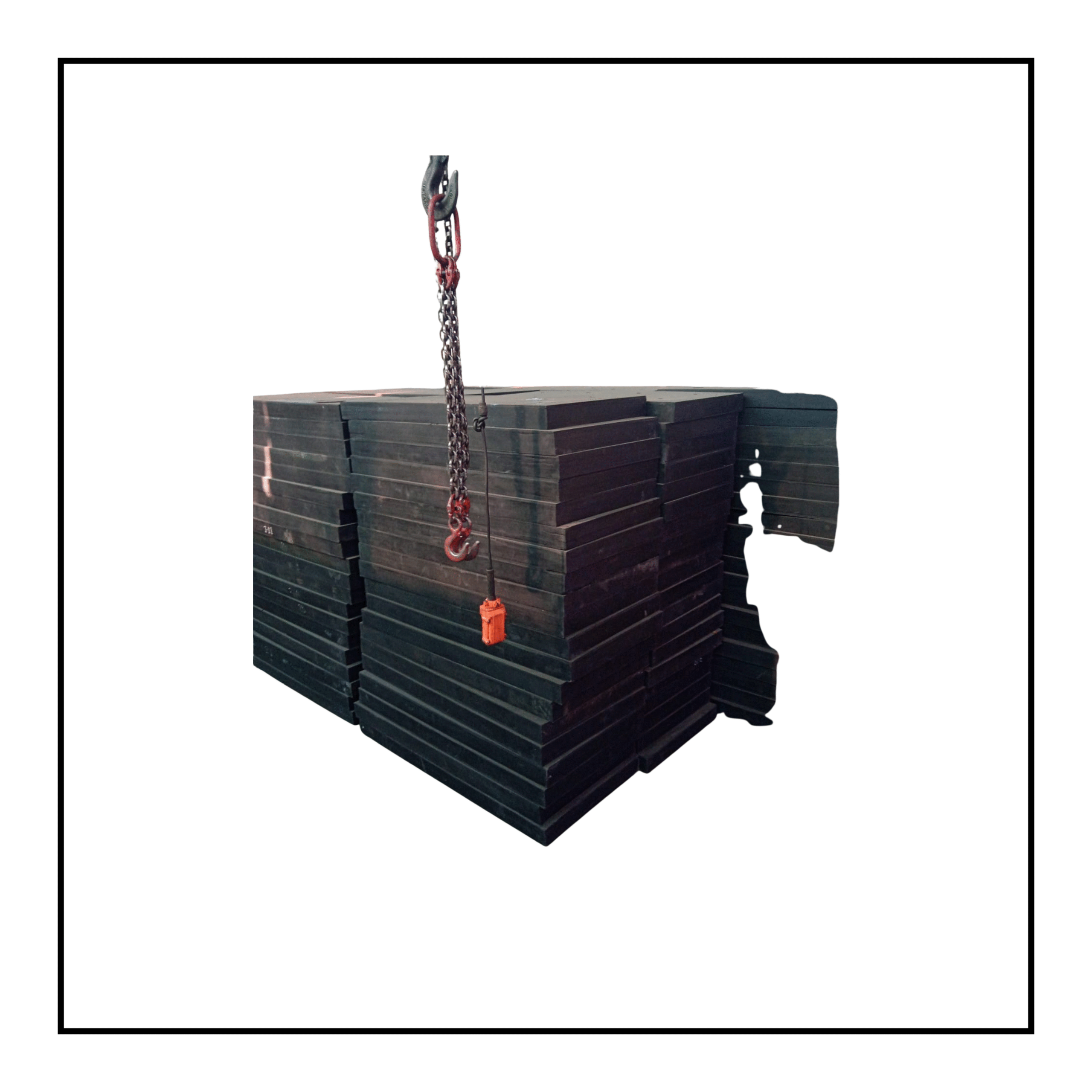
Wear Resistance Rubber Liners Manufacturer, Supplier, And Exporter in India: Mouldtech Industries
Mouldtech Industries is a Manufacturer of Wear Resistance Rubber Liners in Ahmedabad.
Our Manufacturing Unit is in Vadodara, Gujarat, India.
Mouldtech Industries is a Manufacturer of Ball Mill Solutions, Ball Mill Rubber Lining, Wear Protection Line, Resistant Rubber Liner, Embedded Rubber Liners, Conveyors Solutions, Diamond Pulley Lagging, Belt Cleaners, Pulley Lagging, Ceramic Rubber Lagging Services, and Ceramic Rubber Lagging Sheet
Wear Resistance Rubber Liners: Engineering Reliability for Harsh Industrial Environments
Introduction
Across sectors such as mining, metal refiningrefining, cement production, ceramic production, and handling large volumes of material, wear poses a persistent operational hurdle. Machinery dealing with abrasive substances, heavy impacts, corrosive fluids, and continuous service faces unrelenting strain. Eventually, this stress causes material loss, unforeseen stoppages, safety hazards, and escalating upkeep expenditure.
In demanding industrial settings, a facility’s dependability is closely tied to how well its vital machinery is protected against wear. As worldwide output rises and facilities strive for greater capacity with less interruption, the need for effective surface protection systems has steadily increased in both local and international arenas.
Wear-Resistant Rubber Linings have emerged as a proven and cost-effective method for protecting equipment surfaces from rubbing, impact, and chemical degradation. Used within grinding mills, chutes, storage containers, conveyor systems, and processing machinery, these linings are crucial for extending asset life while sustaining stable plant output.
Industrial Obstacles Driving the Need for Wear-Resistant Rubber Linings
Abrasion and Material Degradation
In mining and metal extraction operations, materials such as ore, hardened materials, coal, and aggregates cause constant abrasive wear. Over time, exposed metal surfaces degrade rapidly, leading to dimensional shifts and diminished functionality.
Major Impact Loads
Grinding mills, transfer points, and loading chutes endure repeated strikes from heavy substances. These forceful contacts lead to fracturing, warping, and material fatigue in standard metal linings.
Corrosion and Chemical Exposure
Wet processing settings, acidic mixtures, and chemical additives accelerate rusting, particularly in mineral processing and ceramic production facilities.
Downtime and Maintenance Strain
Unscheduled halts disrupt production schedules and raise operational expenses. Seasoned plant supervisors often note that wear-related malfunctions are among the main contributors to maintenance delays.
Increasing Maintenance Expenses
Frequent lining renewals, labor-intensive servicing, and inventory of replacement parts impose ongoing financial burdens on operational teams.
These issues are not isolated to a single region. Comparable operational conditions exist in major mining centers, cement production clusters, ceramic production zones, and bulk-handling sites across India and international industrial territories.
What Are Wear-Resistant Rubber Linings?
Wear-Resistant Rubber Linings are specially manufactured protective covers made from specialized rubber compounds, sometimes supplemented with ceramic pieces, intended to dampen impact and withstand abrasive wear.
In contrast to rigid metal covers, rubber linings offer:
- Flexibility to absorb shock
- Lowered noise and vibration levels
- Enhanced resilience against sliding friction
They are typically installed inside mills, chutes, hoppers, piping, and conveyors where material flow causes continuous wear. The objective is not to eliminate wear, but to manage it predictably and safeguard the underlying structural components.
Applications Across Sectors
- Mining: Utilized in grinding mills, slurry conduits, storage bins, and transfer chutes to manage the rubbing caused by ores and minerals.
- Cement Plants: Applied in mills, separators, clinker handling networks, and conveyor belts where dust, heat, and abrasive matter are prevalent.
- Metal & Steel Plants: Protects equipment handling sintered materials, coke, slag, and raw inputs under severe operating conditions.
- Ceramic Manufacturing: Processing of ceramic slurry, grinding mills, and material conveyance systems benefits from controlled wear and reduced contamination.
- Power Plants: Coal transport systems, ash conduits, and bunker surfacing rely on wear-resistant components to maintain reliability.
- Bulk Material Handling: Conveyor transfer points, chutes, and feeding mechanisms require impact-dampening covers to lessen belt damage and material spillage.
Material Science & Engineering Aspects
The effectiveness of wear-resistant rubber linings heavily relies on material composition and structural design.
Rubber Characteristics
Premium quality linings use elastic polymers formulated for:
- Resistance to tearing
- Resistance to abrasion
- Controlled firmness
- Chemical inertness
- Ceramic Hardness (Composite Systems): In areas of intense rubbing, ceramic inserts integrated into a rubber base combine hardness with shock absorption.
- Wear Resistance Principles: Rubber combats wear by flexing under pressure, lessening cutting and gouging forces. This makes it particularly successful in environments with sliding friction.
- Impact Damping: The elastic nature of rubber dissipates energy, reducing structural stress on equipment and fixings.
Producers with extensive sector background realize that material selection must align with actual operational conditions—not just lab simulations.
Design & Customization Needs
No two operational sites are exactly alike. Effective lining systems necessitate tailored solutions.
- Equipment Conformity: Linings must suit mill dimensions, chute gradients, bolt layouts, and operational clearances.
- Custom Sizing: Pre-fabricated liner modules minimize assembly errors and enhance fit.
- Application-Specific Layout: Areas prone to impact, sliding, and chemical exposure demand distinct lining profiles and materials.
Manufacturing Quality & Process Regulation
Uniformity in liner performance hinges on controlled production methods.
Key elements include:
- Precise shaping and curing
- Regulated rubber compound blending
- Accuracy in dimensions
- Uniformity across production batches
- Inspections during the manufacturing phase
Flawed process management often results in early lining failure, uneven wear, or complications during fitting.
Fitting & Servicing Notes
The simplicity of setup directly affects lost production time.
Well-conceived rubber linings provide:
- Lighter mass compared to metal alternatives
- Segmented assembly
- Reduced handling hazards
- Quicker replacement intervals
Maintenance teams benefit from predictable wear patterns, Combo liner, Italic Liner And Shell Liner enabling scheduled downtime rather than urgent fixes.
Safety & Operational Dependability
Safety is a vital consideration when selecting linings.
Rubber linings contribute to:
- Decreased noise levels within mills
- Lesser transmission of vibration
- Safer handling during installation
- Reduced the probability of a line fracture
Equipment safeguarding also boosts overall site reliability by limiting unexpected malfunctions.
Cost Effectiveness Across the Equipment Lifespan
While the initial choice of material is significant, long-term service capability is more crucial.
Wear-resistant rubber linings support:
- Extended equipment operational life
- Fewer required liner changeovers
- Lower expenditure on labor and upkeep
- Improved continuity of production
These aspects collectively contribute to sustained operational efficiency without relying on short-term cost-cutting measures.
Export Readiness & Worldwide Acceptance
International industrial purchasers anticipate:
- Consistent standard of quality
- Technical documentation
- Material lineage tracking
- Awareness of compliance standards
- Dependable delivery timetables
Indian producers aiming for global markets must align with these expectations to secure lasting market presence.
The Value of Seasoned Manufacturers
Wear defense is not a standard, readily available item.
Engineering proficiency is necessary to:
- Grasp actual operating environments
- Advice on suitable materials
- Develop designs specific to the application
- Support installation and extended service life
Manufacturers with protracted industry involvement offer valuable practical knowledge that directly impacts site functionality.
About Mouldtech Industries
Mouldtech Industries is a seasoned producer of wear-resistant rubber linings, ceramic wear protection solutions, rubber surfacing systems, ball mill rubber components, and conveyor solutions. Serving markets across India and globally, the company emphasizes engineering-led solutions calibrated to real-world plant conditions.
Further details regarding their manufacturing capabilities and industrial offerings can be found at 👉 https://www.mouldtechindustries.in/
Conclusion
Wear-Resistant Rubber Linings play a crucial role in safeguarding industrial machinery from friction, impact, and chemical action. When properly engineered, they enhance asset reliability, promote safer work practices, and help facilities maintain stable output in challenging settings.
For industries prioritizing long-term productivity and predictable servicing, wear defense is not optional—it is a calculated engineering determination.
Primary Takeaways
- Effective surface defense extends equipment life.
- Rubber linings absorb impact and counter abrasion
- Suitable for mining, cement, metal, ceramic, and bulk transport sectors
- Aids in safer upkeep and minimizes interruptions
- A globally recognized method for severe industrial settings
Trending FAQs
1. What is the typical lifespan of wear-resistant rubber liners?
- Lifespan depends on material type, operating conditions, and application severity. Predictable wear patterns are a key advantage.
2. Are rubber liners suitable for high-impact applications?
- Yes, rubber’s elasticity makes it effective in absorbing repeated impact loads.
3. How often do rubber liners require maintenance?
- Maintenance frequency varies, but well-designed liners support planned inspection cycles rather than emergency repairs.
4. Rubber vs ceramic wear solutions—how do I choose?
- Rubber suits impact and sliding abrasion, while ceramic is preferred for extreme abrasion zones. Hybrid systems combine both.
5. Are these liners used globally in heavy industries?
- Yes, similar linear systems are widely used across the mining, cement, power, and bulk-handling industries worldwide.
Contact Mouldtech Industries for reliable Wear-Resistant Rubber Liners engineered for mining, cement, steel, and bulk-handling applications. Reach our technical team today for support.
#WearResistanceRubberLiners #BallMillRubberLiner #CeramicWearProtection #RubberLiningSystems #BallMillRubberProducts #ConveyorSolutions #MiningWearParts #IndustrialRubberLining #BulkMaterialHandling #CementPlantSolutions #MouldtechIndustries