

Mouldtech Industries: Understanding Industrial Wear Problems and Protection Solutions
Introduction
Sectors like extractive industries, cement production, metal fabrication, and ceramics operate amidst intensely abrasive settings where machinery frequently manages weighty, rough substances. Components such as mills, conveyors, chutes, and bins endure ceaseless rubbing and forceful contact, resulting in swift surface deterioration if not adequately safeguarded. Without successful defense mechanisms, these industries often confront unforeseen failures, expensive upkeep, and recurrent production halts. Deploying 7 Wear Protection Line Solutions for Industrial Equipment aids in lessening wear damage, boosting operational effectiveness, prolonging machinery service spans, and guaranteeing smoother, more dependable functioning in demanding industrial uses.
Within rugged industrial surroundings, preserving equipment dependability is vital for continuous output. Across the entirety of India—encompassing Gujarat, Maharashtra, Rajasthan, Karnataka, Tamil Nadu, Andhra Pradesh, Telangana, Odisha, Chhattisgarh, Jharkhand, West Bengal, Uttar Pradesh, Madhya Pradesh, Punjab, Haryana, and Kerala—industrial facilities depend on crafted wear defense arrangements to extend machinery life.
A thoughtfully devised Wear Protection Line assists businesses in shielding essential equipment utilized in grinding, conveyance, and bulk material management tasks. With practical industry experience, Mouldtech Industries supports various industrial sectors by providing engineered wear protection solutions designed to improve equipment reliability and operational efficiency.
Material Handling Issues in Industry
In extractive and metal refinement operations, equipment confronts several hurdles that accelerate wear.
- Friction arises when minerals such as iron ore, limestone, silica, or clinker continuously slide across metallic exteriors. Over time, this action wears down equipment structures.
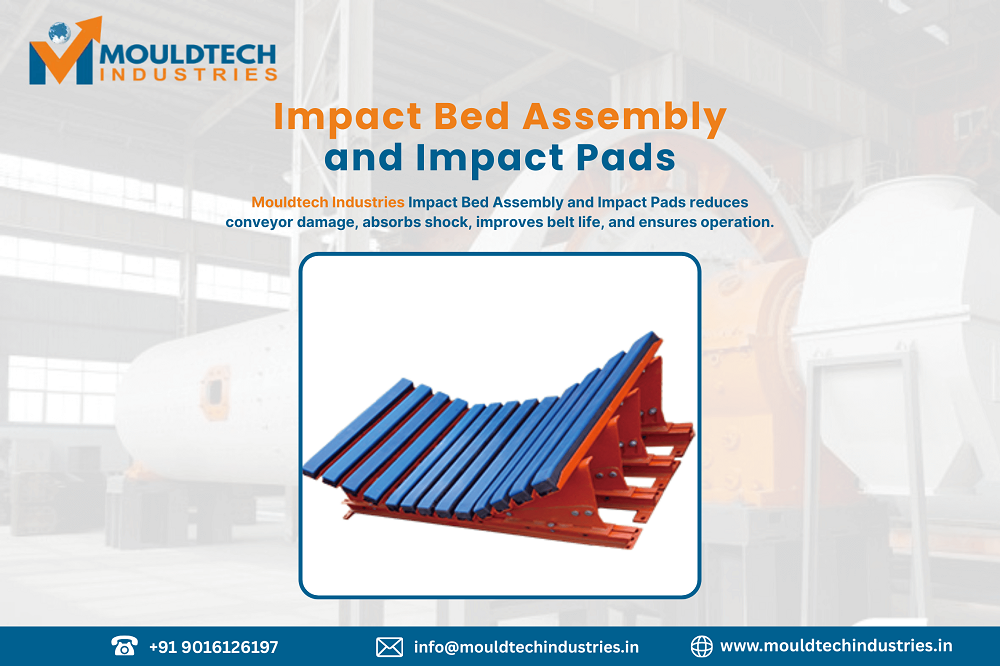
- Impact forces also exert strain when sizable fragments collide with equipment surfaces in crushers, delivery chutes, or conveyors.
- Another frequent aspect is chemical decay, notably in damp settings or slurry transport setups. When coupled with friction, corrosion hastens surface degradation.
These circumstances frequently result in unscheduled stops, inflating maintenance workload and impacting production timetables. For sectors functioning in mineral-rich zones like Odisha, Jharkhand, and Chhattisgarh, effective wear safeguarding becomes a core operational necessity.
Contact us today to learn how Wear Protection Liners can safeguard your equipment and improve efficiency in demanding industrial environments.
Defining a Wear Protection Line
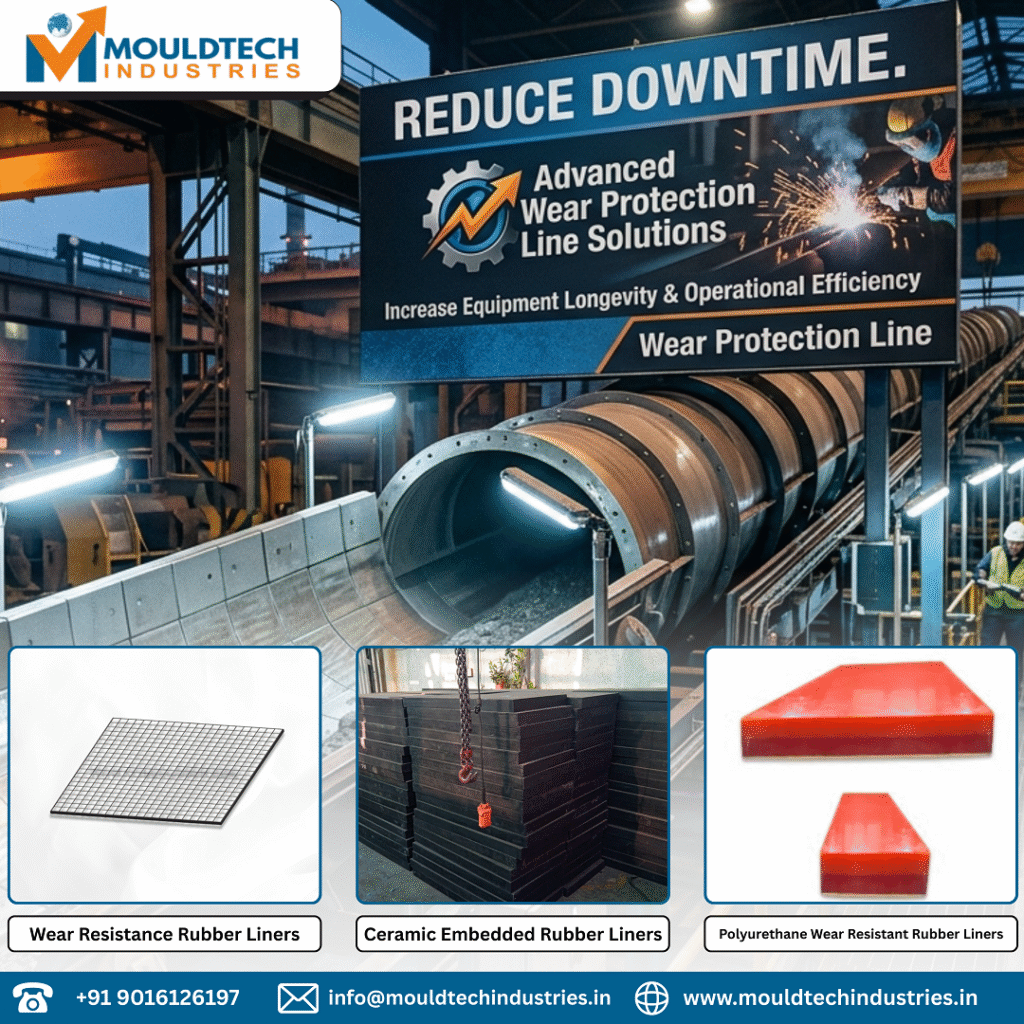
A Wear Protection Line constitutes an engineered framework intended to shield industrial apparatus from rubbing, impact, and operational stresses. These remedies usually involve rubber sheathing, ceramic wear pads, or composite safeguarding substances fitted onto areas exposed to heavy material transit.
Rather than letting machinery elements wear directly, the defensive covering absorbs frictional forces and direct impacts. This strategy helps maintain the structural soundness of the hardware while enhancing its operational duration.
According to reports on BBC, using durable wear protection liners helps industries manage abrasion and impact effectively, supporting consistent performance.
Sector-Specific Uses
Wear defense frameworks find widespread deployment in sectors where massive volumes of materials are refined or moved.
- Mining: Ball mills, ore drop-offs, slurry conduits
- Cement Production: Grinding mills, clinker movement systems, storage bins
- Metal & Steel Works: Fragmenters, transfer junctures, raw material handling setups
- Ceramic Field: Grinding and initial material processing gear
- Power Generation: Coal transport setups
- Bulk Material Movement: Conveyor transition zones and loading spots
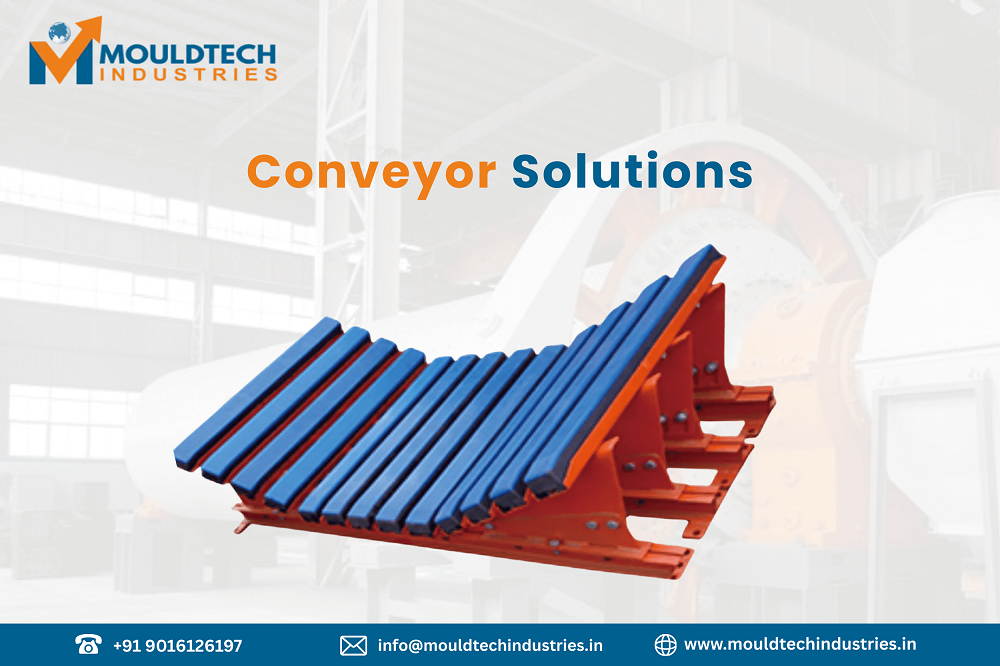
Seasoned facility supervisors generally select wear protection systems based on the nature of the material being handled and the level of abrasive action involved, especially when choosing solutions such as Conveyor Solutions, Skirt Rubber, and Cylindrical Fender for reliable material handling and equipment protection.
Material Science and Engineering Aspects
The efficacy of wear defense solutions hinges on choosing the correct substances.
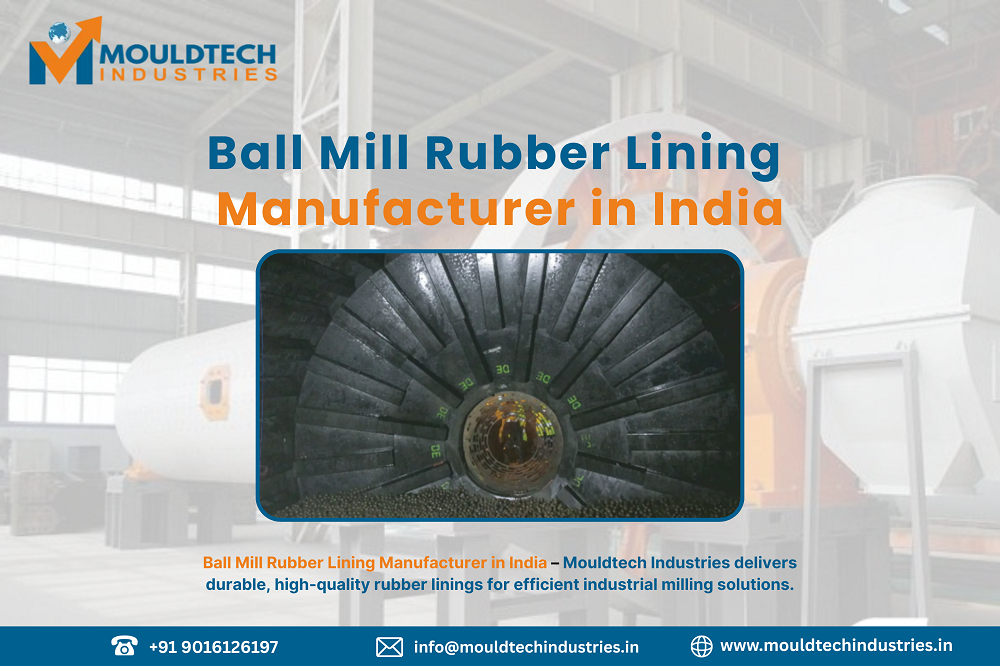
Rubber coverings offer pliability and superior shock absorption, rendering them appropriate for handling larger fragments.
Ceramic components provide exceptionally high solidity and resistance to abrasion, proving useful in conditions where minute abrasive particles cause ongoing surface diminution.
Producers with extensive sector involvement realize that selecting the proper protective medium necessitates a thorough study of service conditions, particle dimensions, and equipment blueprint.
Coverage from CNN suggests that wear protection liners contribute to reduced maintenance needs and enhanced reliability in heavy-duty operations.
Durability, Servicing, and Field Support
Wear defense adjustments are conventionally tailored to fit precise equipment measurements and process necessities: meticulous fabrication, controlled substance quality, and appropriate placement guarantee steady output.
When fitted correctly, these assemblies help lessen the frequency of servicing and bolster plant dependability. They also contribute to safer working surroundings by minimizing hardware failures.
Manufacturers possessing deep operational familiarity appreciate the importance of devising answers that align with actual plant circumstances. Mouldtech Industries furnishes engineered wear protection solutions backing sectors across India’s mining, cement, and bulk material transit domains.
Research insights shared on Harvard Business Review highlight that wear protection liners play a key role in reducing equipment damage and improving long-term operational efficiency in industrial environments.
Get in touch with our team for expert support in selecting the right Wear Protection Liner solution to enhance durability and reduce maintenance downtime.
Trending FAQs
1. What is a Wear Protection Line?
- A Wear Protection Line protects industrial equipment from abrasion and impact damage in machinery such as mills, chutes, and conveyors.
2. Which industries use wear protection solutions?
- Mining, cement, metal & steel, ceramic manufacturing, power plants, and bulk material handling industries.
3. What materials are used in wear protection systems?
- Common materials include rubber liners, ceramic tiles, and composite wear plates.
4. How does wear protection help equipment?
- It reduces surface wear, extends equipment life, and lowers maintenance downtime.
5. How often should wear protection liners be checked?
- Usually during scheduled plant maintenance or shutdown inspections.
WearProtection #CeramicWearProtection #RubberLining #MiningSolutions #BulkMaterialHandling #ConveyorSolutions #IndustrialManufacturing #PlantMaintenance #MouldtechIndustries