

Wear Protection Line for Heavy Industries: Enhancing Equipment Life and Operational Reliability
Introduction
In sectors like mineral extraction, concrete production, metal fabrication, and pottery manufacturing, machinery endures some of the toughest industrial settings. Constant exposure to abrasive substances, heavy impact forces, and corrosive agents severely strains processing apparatus and material handling infrastructure.
In demanding industrial settings, even slight deterioration can progressively diminish equipment performance, interrupt manufacturing timelines, and elevate operating expenses. Mouldtech Industries such as grinding mechanisms, chutes, storage bins, conveyor belts, and piping handle bulk matter that constantly rubs against internal surfaces. Over time, this contact leads to wear, damage from impact, and material breakdown.
Across worldwide industrial landscapes, facility supervisors are increasingly concentrating on boosting equipment dependability and cutting down on unplanned stoppages. Mining activities in mineral-rich zones, cement facilities processing vast amounts of raw inputs, and metal refining units running heavy crushing machinery all necessitate robust wear defense mechanisms to sustain steady output.
These purpose-built remedies act as shields between abrasive materials and the equipment structure, prolonging service intervals and enabling safer, more consistent facility function.
Industrial Hurdles Fueling Demand for Wear Protection Line
Industrial processing settings present numerous difficulties that speed up equipment wear and failure. Experienced facility technicians often note that areas subject to direct material flow—like mill interiors, transfer points, and conveyor loading spots—suffer the harshest wear.
Abrasion
In mineral extraction and processing, ground ore, sand, limestone, and furnace residue move through grinding machines and conveyors in large quantities. These materials gradually wear down metal surfaces, leading to structural thinning and diminished function.
Impact Forces
Heavy aggregates and dense bulk materials generate recurring impact stresses inside grinding containers, storage units, and chute frameworks. Without protective lining systems, structural parts sustain fatigue damage over duration.
Corrosion
Industrial atmospheres frequently contain dampness, chemical agents, or acidic substances. Corrosive reactions combined with abrasion can hasten surface breakdown, particularly on metal parts.
Stoppages and Maintenance Lulls
Equipment without protection requires frequent operational pauses for fixes or part swaps. In industries running continuously, even a few hours of being offline can disrupt supply chains and raise operational expenditures.
Increasing Maintenance Expenses
As equipment deterioration accelerates, replacement components, labor fees, and upkeep planning become more intricate.
These issues are prevalent across industrial sectors including mineral processing zones, concrete manufacturing hubs, steel mills, and ceramic production sites globally. Dependable wear defense systems have thus become crucial for maintaining continuous operation.
Defining a Wear Protection Line
A Wear Protection Line refers to a collection of designed elements and materials intended to safeguard industrial apparatus against grinding, impact, and chemical attack during nonstop work.
These setups typically comprise:
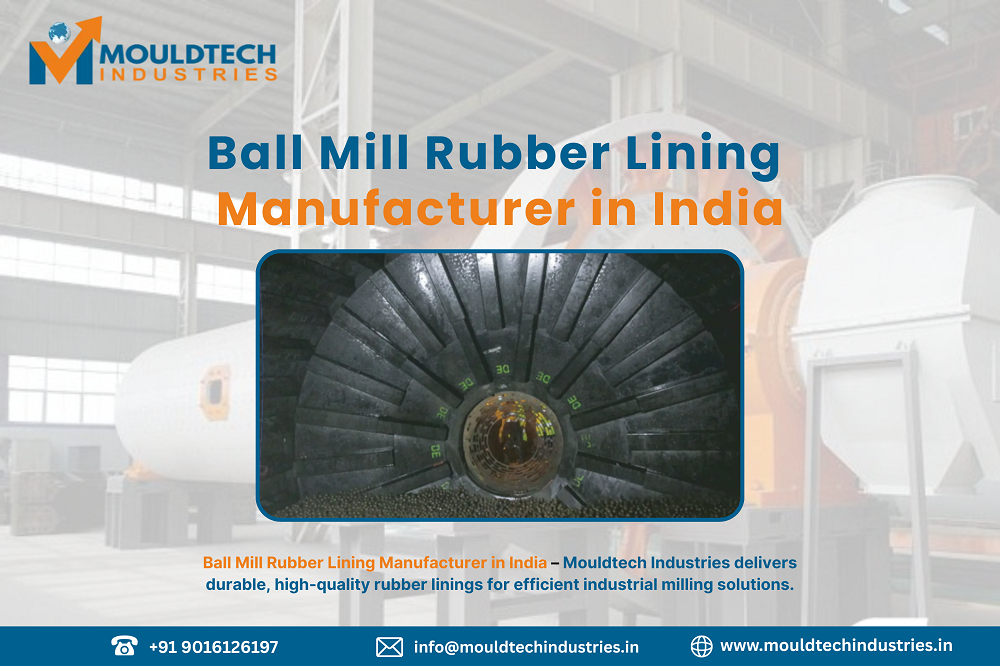
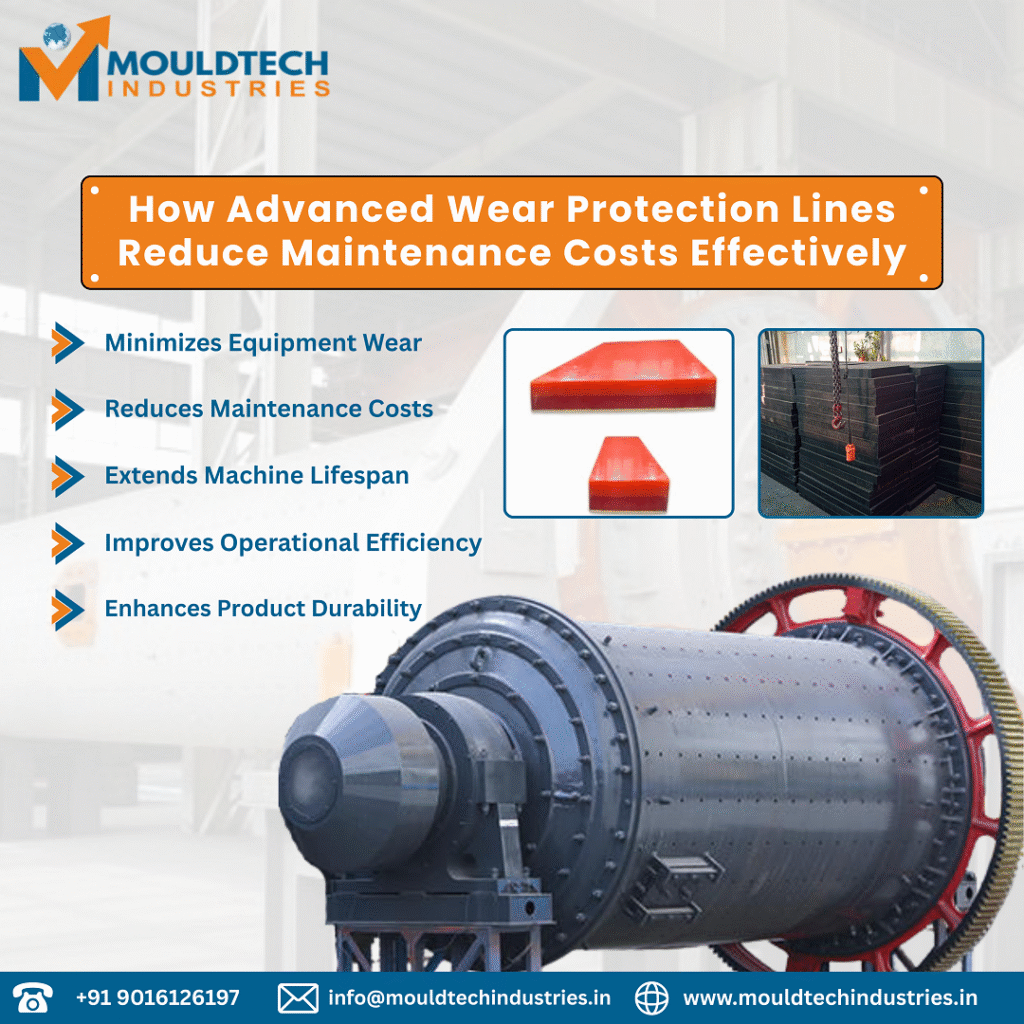
- Grinding Mill Rubber Linings
- Ceramic Abrasion Resistant Tiles
- Rubber Sheathing Systems
- Rubber Goods for Grinding Mills
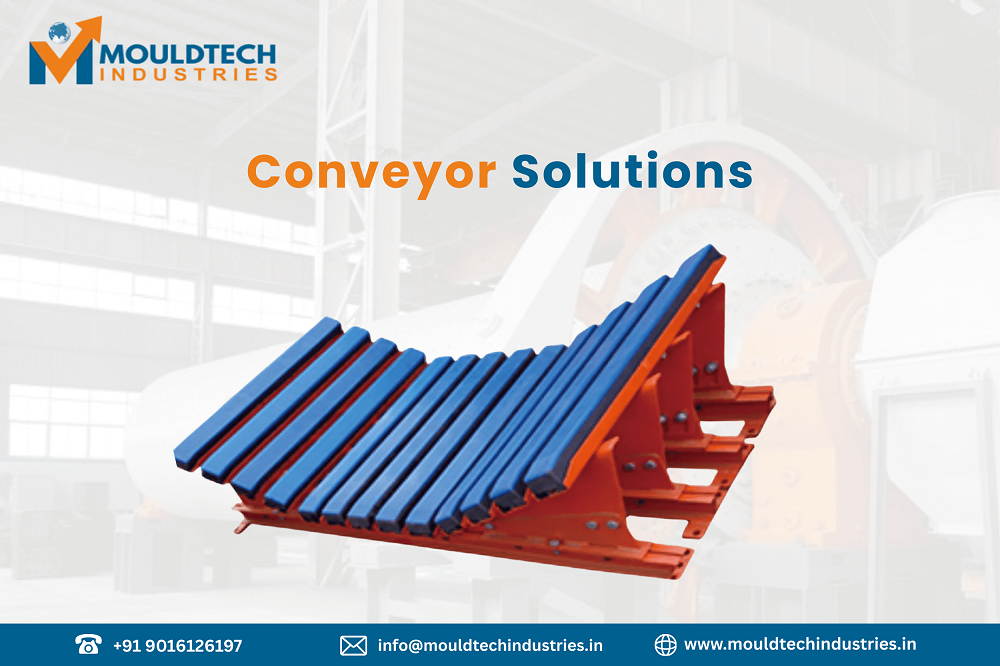
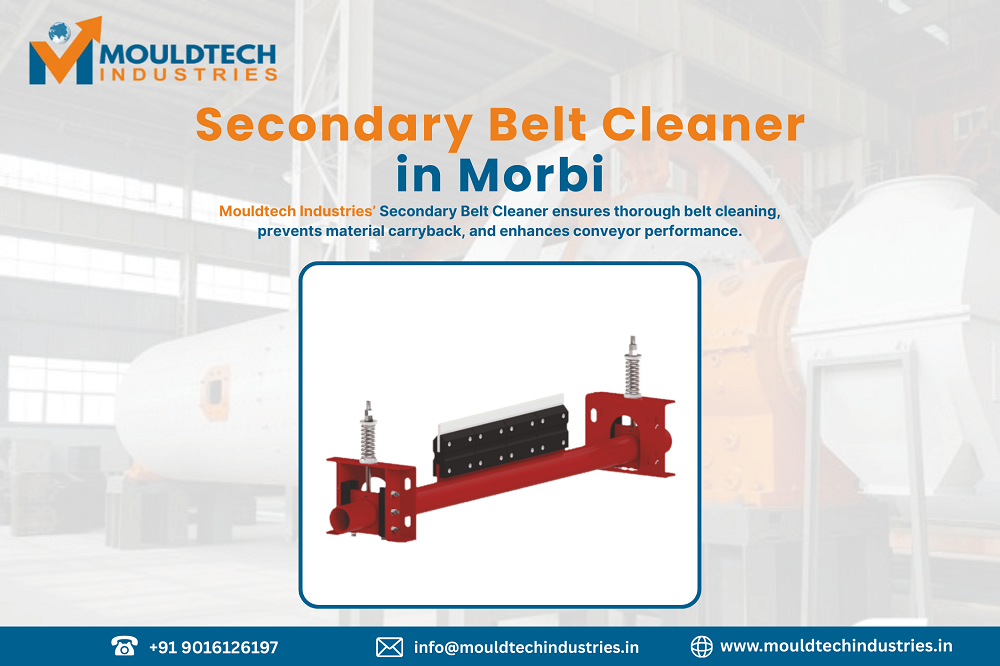
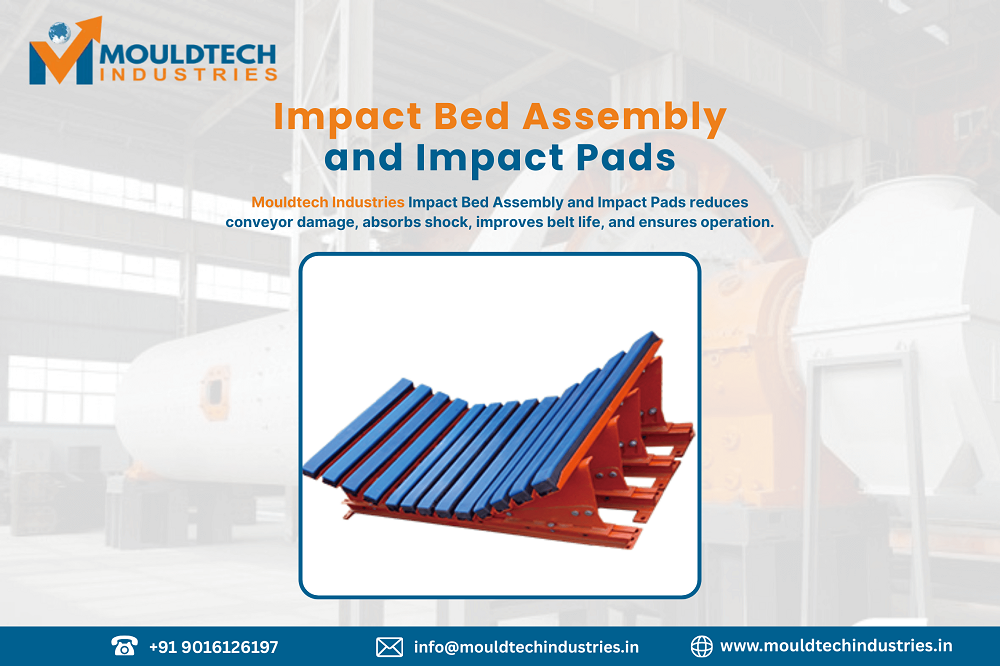
- Conveyor Protection and Support Elements
Each option is tailored for particular industrial circumstances. For instance, rubber linings in grinding mills cushion impact loads while lessening metal-against-metal friction. Ceramic pieces offer superior resistance to wear in areas where fine particles constantly scour surfaces.
Manufacturers with deep industry experience know that no single material solves every wear challenge. Effective systems combine rubber, ceramic, and engineered polymers. Components like skirt rubber control conveyor spillage, while cylindrical fenders absorb impact in marine docking areas.
Use Cases Across Sectors
Wear defense systems see broad application across heavy industries where machinery constantly handles bulk substances.
Mineral Extraction Sector
Mining tasks involve crushing, grinding, and moving mineral ores. Equipment like grinding mills, primary crushers, and conveyors face ceaseless abrasion from rock fragments.
Rubber panels and ceramic defense setups help shield mill chambers, transfer chutes, and conduits from excessive wear.
Cement Factories
Cement creation involves pulverizing raw inputs like limestone, clinker, and gypsum. These materials create abrasive conditions in grinding units, separators, and conveyor networks.
Wear defense linings help prolong equipment lifespan while preserving grinding effectiveness.
Metal and Steel Works
In metal fabrication sites, inputs such as iron ore, coal, and residue move through various treatment phases.
Protective lining systems lessen wear in material handling gear and processing apparatus.
Ceramic Production
Pottery plants process clay, feldspar, quartz, and other minerals that can form abrasive liquid mixtures. Ceramic wear pieces are frequently employed in slurry conduits and processing chambers.
Power Generation Facilities
Coal-fired power stations manage significant volumes of coal and ash via conveyor networks and processing machinery. Wear defense setups help safeguard these parts from friction and impact.
Bulk Material Handling Sites
Ports, terminals, and industrial storage hubs depend on conveyor systems and transfer points to move large amounts of raw goods.
Wear-resistant linings and conveyor components enhance system dependability and reduce how often maintenance is needed.
Information available on Wikipedia highlights that wear protection liners support durability and efficiency, making them a practical solution for extending equipment life in heavy-duty environments.
Safety and Operational Dependability
Safety remains a paramount concern in industrial locales. Equipment failure stemming from excessive wear can introduce hazardous scenarios for site employees.
In demanding industrial settings, protective lining systems contribute to safer functions by lowering the hazard of structural breakdown in machinery handling heavy matter.
Wear defense systems also assist in:
- Preserving the structural soundness of processing apparatus
- Averting abrupt equipment failures
- Enhancing equipment steadiness during heavy work cycles
- Decreasing worker time spent on maintenance tasks
When equipment functions dependably, maintenance crews can schedule checks and servicing in a planned manner rather than reacting to sudden breakdowns.
According to coverage on The Guardian, wear protection liners help industries handle abrasion and impact more effectively, improving consistency and reducing operational disruptions.
Export Readiness and Global Acceptance
Industrial buyers in global marketplaces anticipate manufacturers to adhere to stringent design and documentation benchmarks.
Export-ready wear defense offerings typically necessitate:
- Uniform manufacturing caliber
- Material tracking
- Design blueprints and specifications
- Suitable packing and logistical support
- Adherence to international industry norms
Sectors in resource regions, metal production centers, and large infrastructure projects require suppliers capable of backing both domestic and international supply flows.
Manufacturers serving worldwide venues must therefore maintain robust production capacities, quality assurance protocols, and technical support structures.
Regarding Mouldtech Industries
Mouldtech Industries is an industrial manufacturer specializing in engineered wear defense solutions for heavy sectors.
The firm supplies items such as Grinding Mill Rubber Linings, Ceramic Abrasion Resistant Systems, Rubber Sheathing Parts, Rubber Goods for Grinding Mills, and Conveyor Defense Options crafted for challenging industrial settings.
Manufacturers with a solid local footprint are often better equipped to assist industries needing dependable wear defense mechanisms and consistent technical direction.
Research insights referenced on The New York Times suggest that wear protection liners are essential in minimizing equipment wear and ensuring smoother industrial operations under high-stress conditions.
Summary
Wear defense systems hold a critical function in preserving equipment longevity and operational effectiveness across heavy industries.
In fields like mineral extraction, concrete making, metalworking, ceramics, and bulk material transport, the constant contact between machinery and abrasive substances creates substantial wear difficulties. Without suitable defense mechanisms, equipment lifespan shortens, maintenance frequency increases, and production consistency declines.
Solutions like Grinding Mill Rubber Linings, Ceramic Abrasion Resistant Tiles, Rubber Sheathing Systems, and Conveyor Defense Components help industries tackle these problems by shielding vital equipment surfaces.
For facility engineers and operations teams, adopting effective wear defense tactics supports long-term operational stability and safer industrial surroundings.
Contact us today to explore how Wear Protection Liners can enhance equipment life and improve performance in challenging industrial conditions.
Key Insights
- Wear defense setups lessen equipment harm caused by friction and impact.
- Rubber and ceramic solutions help enhance plant operational dependability.
- Widely utilized in mineral extraction, concrete production, metal fabrication, and pottery manufacturing.
- Appropriate wear defense can substantially extend equipment service duration.
- Industrial complexes across global markets rely on engineered wear solutions.
Reach out to our team for expert advice on selecting the right Wear Protection Liner solution to reduce wear, minimize downtime, and boost operational efficiency.
Trending FAQs
1. What is the typical lifespan of a ball mill rubber liner?
- It depends on material type, mill speed, and operating conditions.
2. Where are ceramic wear protection tiles used?
- They are used in chutes, cyclones, pipelines, and high-abrasion zones.
3. How often should wear protection systems be inspected?
- Usually during scheduled plant shutdowns or routine maintenance checks.
4. What is the difference between rubber lining and ceramic protection?
- Rubber absorbs impact; ceramic resists high abrasion.
5. Are wear protection systems used in global industries?
- Yes, they are widely used in mining, cement, steel, and power plants.
#BallMillRubberLiner #CeramicWearProtection #RubberLining #MiningSolutions #BulkMaterialHandling #ConveyorSolutions #MouldtechIndustries #WearProtection #IndustrialManufacturing