

Smart Solutions for Vibration and Load Management in Industry: Mouldtech Industries
Introduction
In heavy-duty industrial environments, maintaining structural stability and controlling vibration is a persistent challenge across mining, cement, metal, and bulk handling sectors. Continuous exposure to dynamic loads, thermal expansion, and harsh conditions often leads to premature wear and fatigue. Experienced engineers note that improper load distribution accelerates failures in bridges and equipment supports. Mouldtech Industries addresses these issues with 5 Key Problems Solved by Bridge Rubber Bearing Pads uneven load distribution, excessive vibration, structural stress, impact damage, and high maintenance downtime.
Globally, industries are moving toward solutions that enhance durability without increasing maintenance complexity. From large-scale mining operations in Australia to steel plants in India and cement industries across Southeast Asia, there is a growing demand for materials that can withstand repetitive stress while maintaining flexibility.
Rubber Load Bearing Pads play a crucial role in addressing these challenges. They act as load-distributing and vibration-absorbing components that protect both structural elements and connected machinery, ensuring long-term reliability.
Industrial Challenges That Drive Demand for Bridge Rubber Pads
In mining and metal processing operations, structural components are exposed to multiple stress factors:
- Abrasion: Continuous movement and friction between surfaces can degrade structural supports.
- Impact Loads: Sudden shocks from heavy loads or moving machinery create stress concentrations.
- Corrosion: Exposure to moisture, chemicals, and environmental conditions accelerates material degradation.
- Downtime Risks: Equipment failure or structural instability can halt production.
- Maintenance Costs: Frequent repairs increase operational expenses and reduce efficiency.
In regions like India, where industrial infrastructure spans diverse climates—from coastal humidity to dry mining zones—these challenges become more pronounced. Globally, industries are adopting engineered rubber solutions to mitigate such risks effectively.
What Is Bridge Rubber Pad?
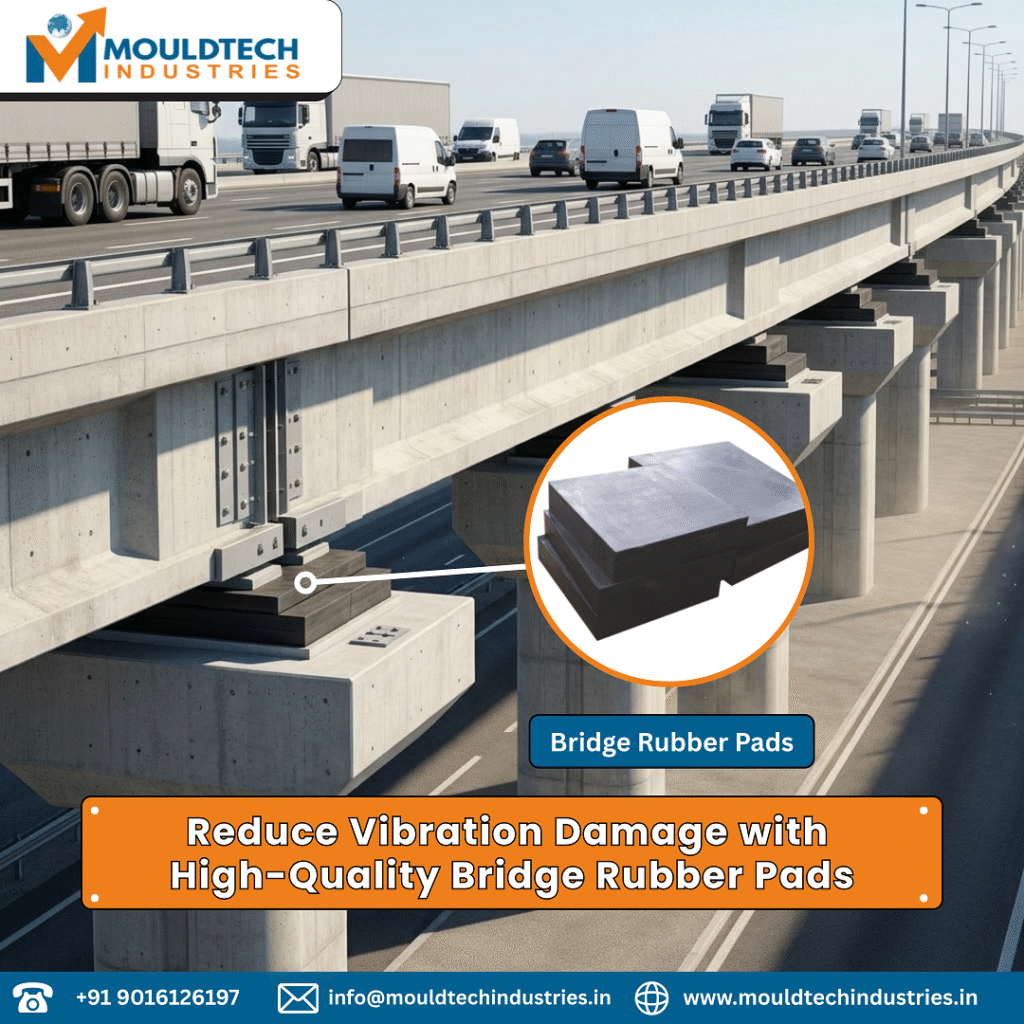
A Bridge Rubber Pad is an engineered elastomeric component designed to absorb loads, accommodate movement, and reduce vibration between structural elements.
Unlike rigid materials, rubber pads provide flexibility while maintaining load-bearing capacity. They are typically installed between bridge decks and support structures or between heavy equipment and mounting bases.
Their primary function is not just cushioning, but controlled deformation—allowing structures to expand, contract, and shift slightly without causing damage.
Applications Across Industries
Industrial Rubber Pads are widely used across multiple industrial sectors:
- Mining Industry: Used in conveyor support systems, crushers, and structural bases where vibration control is essential.
- Cement Plants: Installed in heavy rotating equipment and structural supports to manage load fluctuations.
- Metal & Steel Plants: Help reduce stress in rolling mills, furnaces, and heavy-duty machinery foundations.
- Ceramic Industry: Used in kilns and material handling systems where thermal expansion and vibration occur.
- Power Plants: Applied in turbine bases and structural supports to absorb operational vibrations.
- Bulk Material Handling: Essential in conveyor systems and transfer points to reduce impact and extend equipment life.
Material Science & Engineering Considerations
The effectiveness of Bridge Rubber Pads depends heavily on material selection and engineering design.
Rubber Properties
Rubber used in these pads must offer:
- High elasticity
- Resistance to compression set
- Durability under cyclic loading
Wear Resistance Principles
Rubber absorbs energy rather than transferring it, reducing stress on adjacent components.
Impact Absorption
The viscoelastic nature of rubber allows it to dissipate energy from sudden loads.
Ceramic Integration (Where Required)
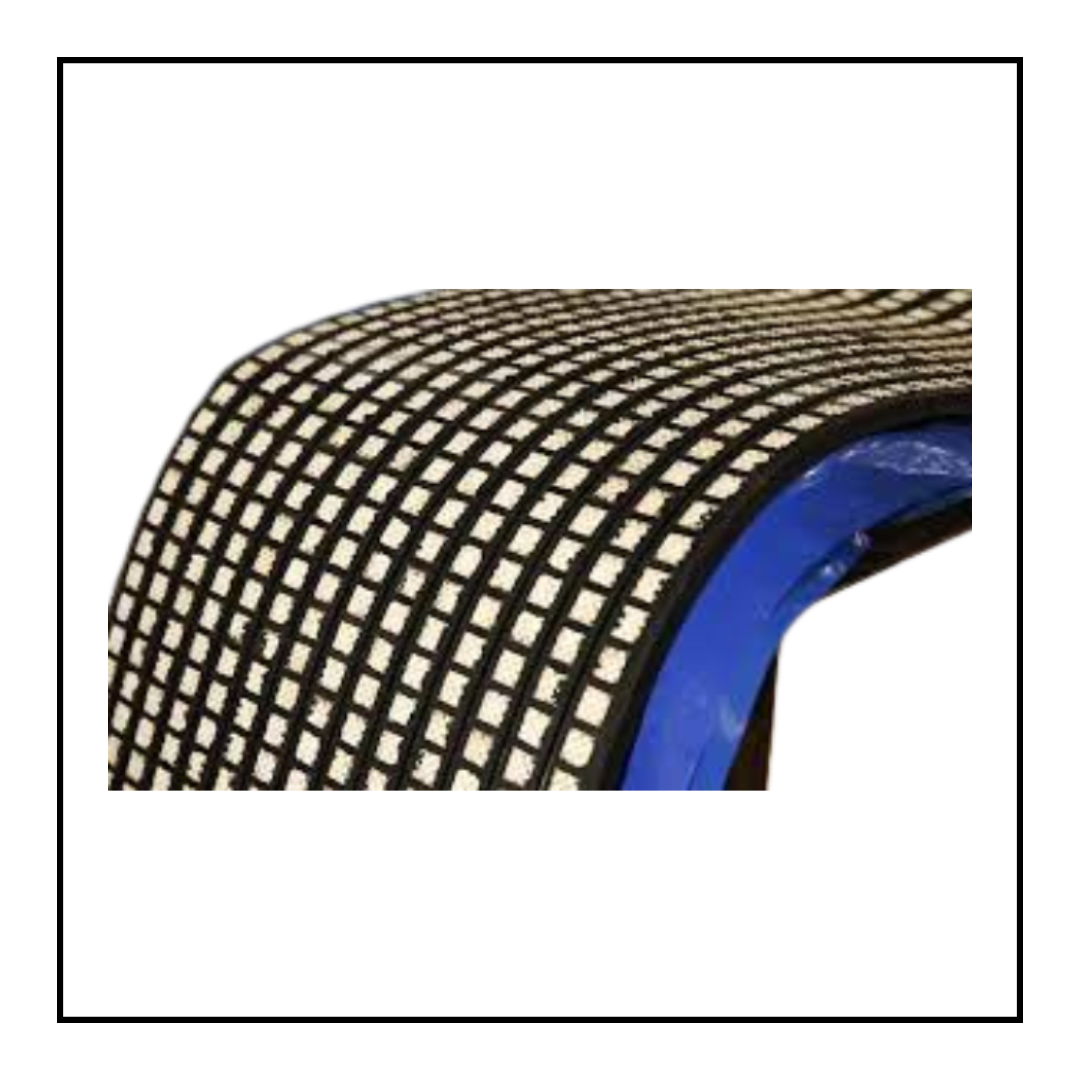
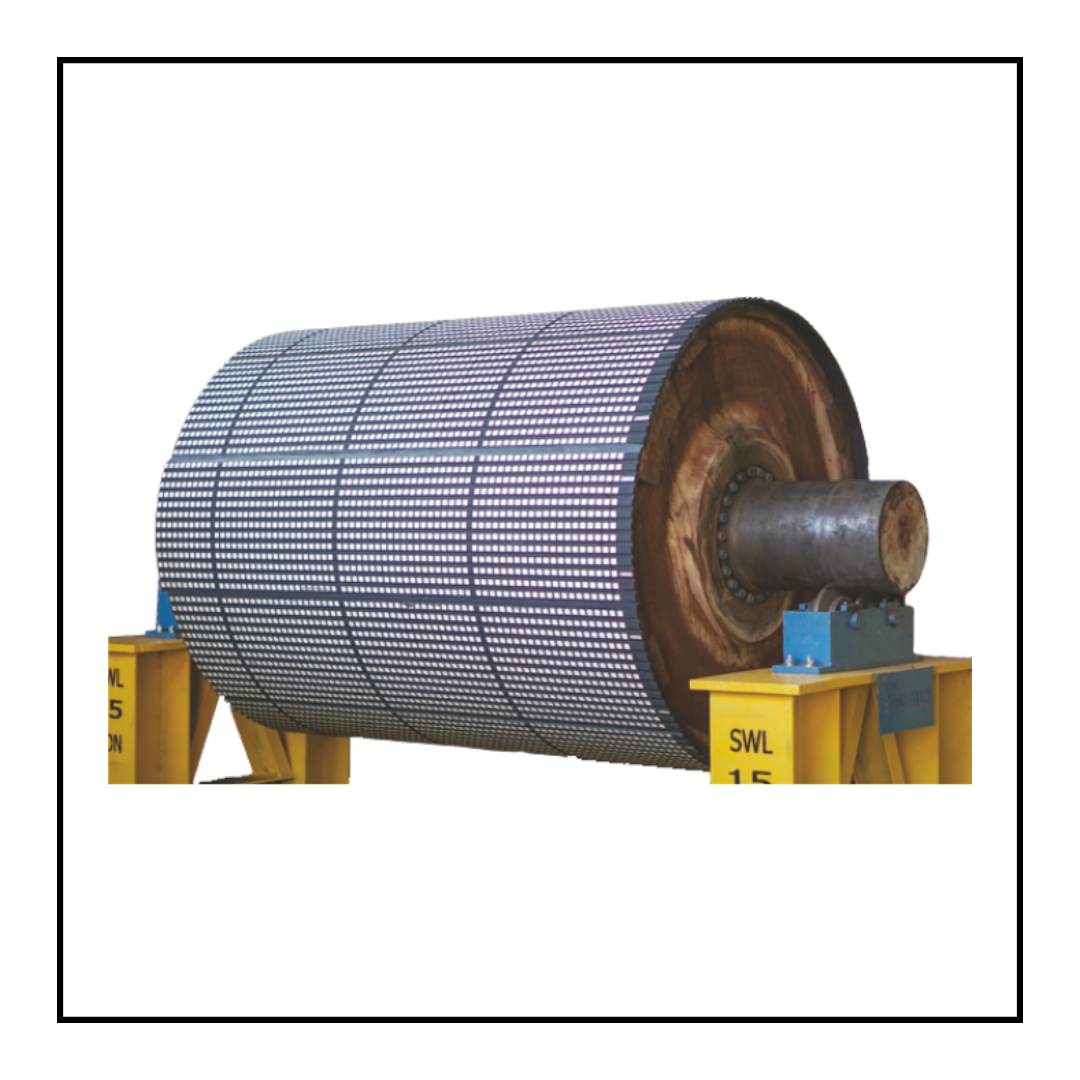
In some hybrid applications, ceramic layers may be integrated for enhanced abrasion resistance, especially in high-wear zones.
Manufacturers with long-term industry exposure understand that material performance must align with real-world operating conditions, not just laboratory results.
Related Industrial Solutions for Enhanced Wear Protection
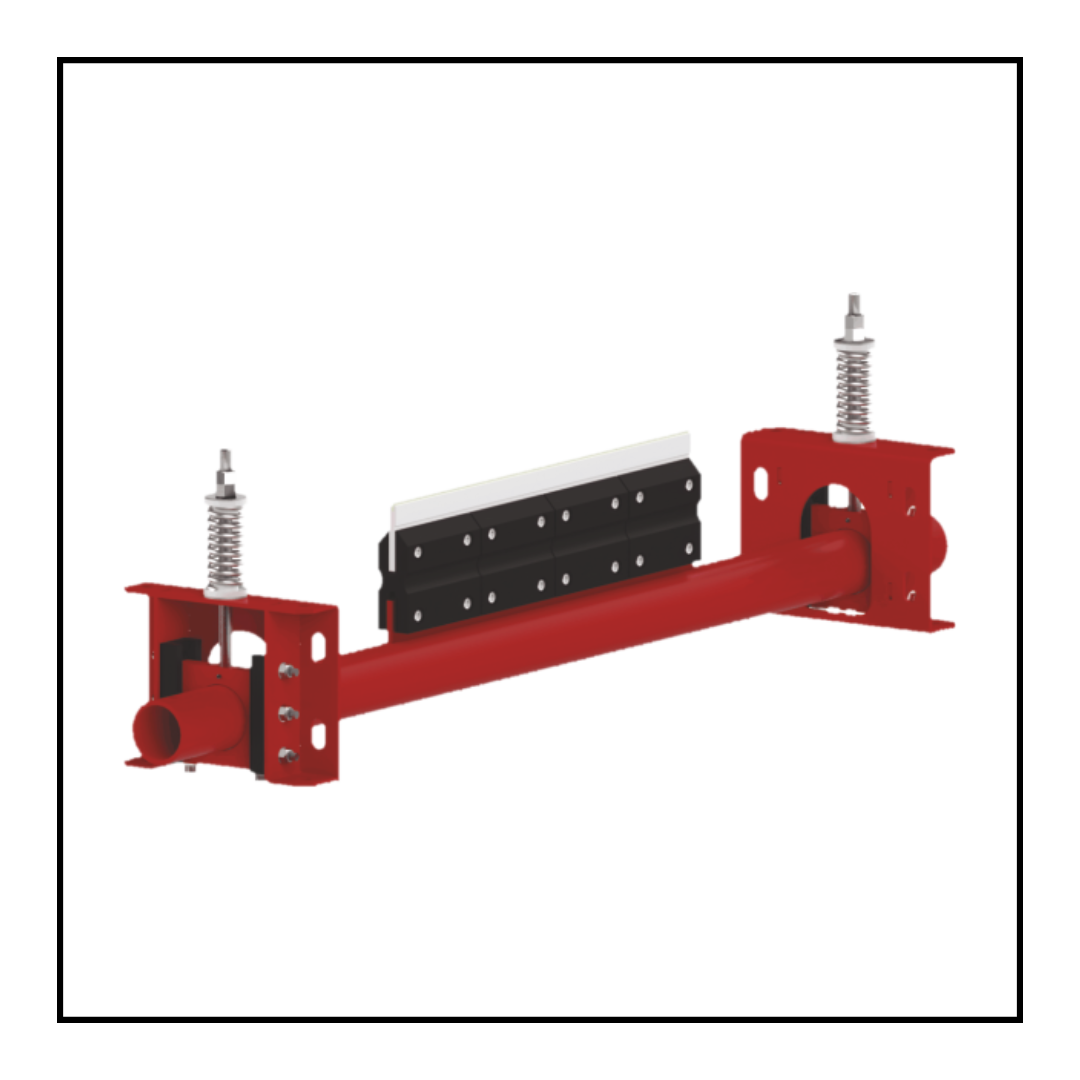
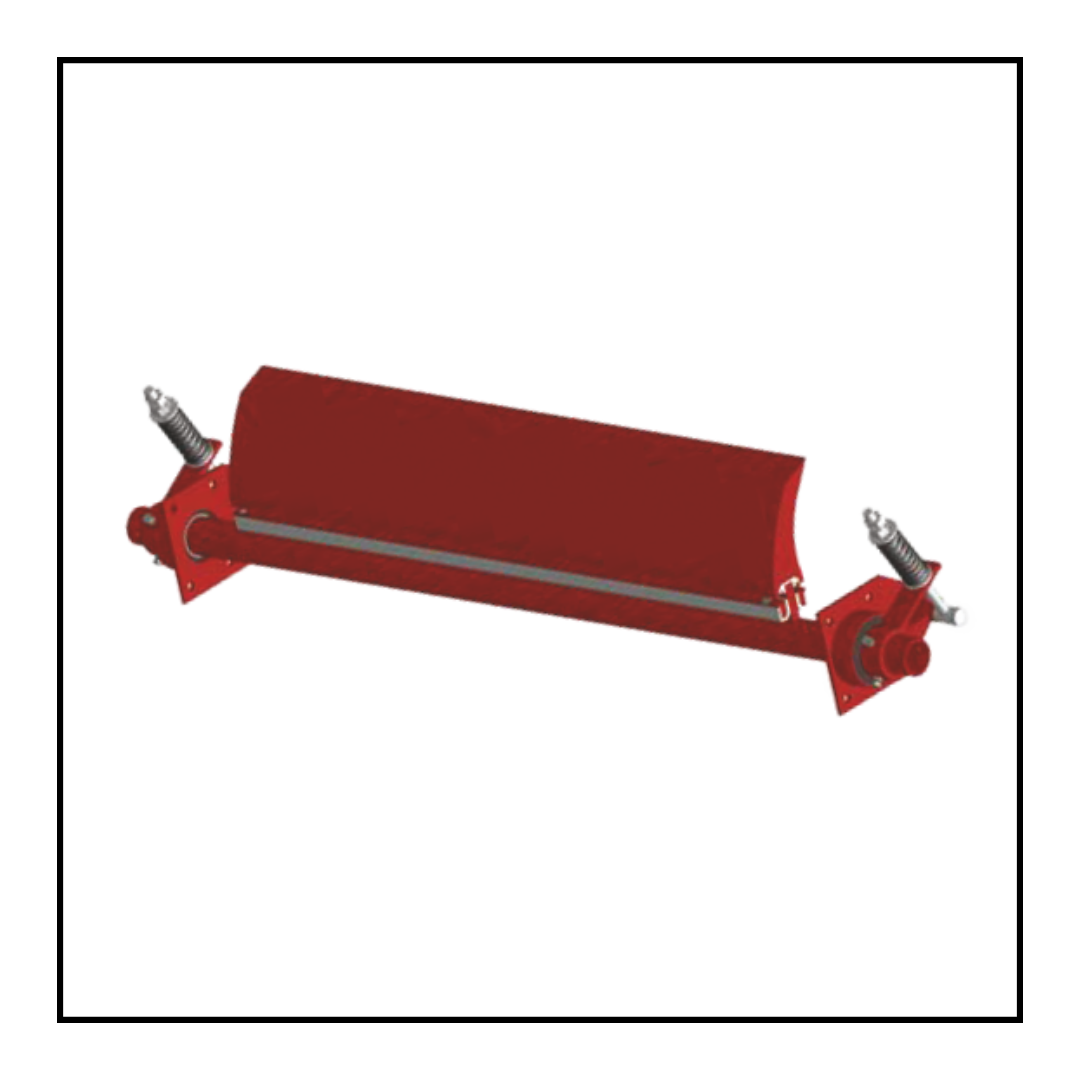
In addition to Bridge Rubber Bearing Pads, industries often rely on complementary solutions to improve equipment life and operational efficiency. Products such as ball mill rubber liners, ceramic wear protection tiles, and rubber lining systems are widely used in mining and cement plants to manage abrasion and impact. Similarly, conveyor belt solutions and belt cleaners play a critical role in bulk material handling by reducing material spillage and wear. In marine and heavy infrastructure applications, rubber fenders provide effective impact absorption. When used together, these solutions create a more reliable and maintenance-efficient system across demanding industrial environments.
Design & Customization Requirements
Bridge Rubber Pads are not one-size-fits-all components.
Key considerations include:
- Load Capacity Requirements
- Environmental Conditions (temperature, moisture, chemicals)
- Dimensional Accuracy
- Compatibility with Existing Structures
Custom sizing and design ensure that the pads perform effectively under specific operational conditions.
Manufacturing Quality & Process Control
Precision manufacturing is critical to ensuring consistent performance.
Key aspects include:
- Controlled rubber compounding
- Accurate molding processes
- Dimensional tolerance checks
- Batch consistency validation
Even minor variations in material composition can affect performance, making process control essential.
Installation & Maintenance Considerations
- Proper installation is essential for optimal performance.
- Pads must be aligned correctly to ensure uniform load distribution
- Surface preparation is important to avoid uneven stress
- Installation should follow engineering guidelines
Maintenance requirements are generally low, but periodic inspection helps identify wear or misalignment early.
Reduced downtime is one of the key operational advantages when installation is done correctly.
For real-world discussions and practical insights from engineers on installation challenges and maintenance practices, platforms like Reddit can provide valuable industry perspectives.
Safety & Operational Reliability
In industrial environments, safety is directly linked to equipment stability.
Bridge Rubber Pads contribute to:
- Reduced vibration-related failures
- Improved structural integrity
- Lower risk of sudden breakdowns
Experienced plant engineers often observe that vibration control solutions significantly improve overall plant reliability.
Cost Efficiency Over Equipment Life Cycle
While initial investment in engineered rubber components may vary, long-term benefits include:
- Reduced maintenance frequency
- Lower risk of structural damage
- Fewer unplanned shutdowns
Over the lifecycle of equipment, these factors contribute to measurable cost efficiency without compromising performance.
Export Readiness & Global Acceptance
Global industrial buyers expect:
- Consistent product quality
- Documentation and traceability
- Compliance with international standards
Bridge Rubber Pads manufactured for export markets must meet stringent performance and quality expectations.
India, being a major industrial hub, serves both domestic and international markets, including regions like the Middle East, Africa, and Southeast Asia.
Why Experienced Manufacturers Matter
Manufacturers with long-term industry exposure understand:
- Application-specific challenges
- Material behavior under real conditions
- Importance of reliable supply chains
Engineering expertise ensures that solutions are not just technically sound but also practical for plant-level implementation.
About Mouldtech Industries
Mouldtech Industries is an experienced manufacturer specializing in industrial wear protection and rubber engineering solutions. The company serves a wide range of industries across Pan India—including Maharashtra, Gujarat, Tamil Nadu, Karnataka, Rajasthan, West Bengal, Odisha, Andhra Pradesh, Telangana, and more.
With a focus on practical engineering and consistent manufacturing quality, Mouldtech Industries supports both domestic and global industrial requirements.
For more details, visit: 👉 https://www.mouldtechindustries.in/
Conclusion
Bridge Rubber Pads play a vital role in improving structural stability, reducing vibration, and enhancing equipment reliability in industrial environments.
In mining, cement, metal, and bulk material handling industries, where operational stress is unavoidable, these components provide a practical and effective solution.
Their ability to absorb impact, accommodate movement, and extend equipment life makes them an essential part of modern industrial systems.
For insights into government standards, policies, and support for industrial manufacturing, refer to official resources available on MSME India.
Key Takeaways
- Effective load distribution and vibration control
- Improved equipment and structural lifespan
- Suitable for multiple heavy industries
- Low maintenance and high durability
- Globally accepted industrial solution
Trending FAQs
1. What is the typical lifespan of Bridge Rubber Pads?
- It depends on load conditions and environment, but high-quality pads can last several years with proper installation.
2. Are Bridge Rubber Pads suitable for all industries?
- Yes, they are widely used in mining, cement, steel, and bulk handling industries.
3. How often should maintenance checks be done?
- Periodic inspections during routine shutdowns are generally sufficient.
4. What is the difference between rubber and ceramic wear solutions?
- Rubber absorbs impact, while ceramic provides high abrasion resistance. Selection depends on application.
5. Can these pads handle heavy loads?
- Yes, they are designed to support significant loads while maintaining flexibility.
#BallMillRubberLiner #CeramicWearProtection #RubberLining #MiningSolutions #BulkMaterialHandling #ConveyorSolutions #MouldtechIndustries #WearProtection #IndustrialManufacturing