

Diamond Pulley Lagging: Improving Conveyor Reliability in Industrial Operations
Introduction
In sectors like resource extraction, construction materials, metals, and ceramics, material transport systems face constant strain. Belts, specifically, encounter rough substances, heavy loads, and shifting external factors. Within tough operational settings, even slight flaws in belt system parts can result in slipping, accelerated deterioration, and unscheduled stops.
Dependable surface protection and grip management are vital for sustaining uninterrupted operation. As the worldwide need for raw materials, refined metals, and loose commodities grows in areas like India, Southeast Asia, Australia, and parts of Africa, industries are concentrating on boosting equipment dependability.
Diamond Pulley Lagging has a major part in boosting belt performance by improving the hold between the pulley and belt while safeguarding the pulley surfaces from wear.
Operational Hurdles Driving the Need for Diamond Pulley Lagging
Seasoned site supervisors frequently note persistent problems in belt systems:
- Surface Erosion: Constant movement of goods such as ores, processed stone, and aggregates causes surface harm.
- Load Shocks: Significant and uneven material deposition creates pressure on pulley faces.
- Deterioration: Moisture, chemical agents, and environmental exposure speed up breakdown.
- Sliding & Pauses: Diminished grip causes belt slippage, affecting output volume.
- Upkeep Expenses: Frequent pulley servicing elevates operating costs.
In resource extraction and metal refinement activities throughout industrial centres in India—like Odisha, Jharkhand, Chhattisgarh, Gujarat, Maharashtra, Tamil Nadu, Karnataka, Rajasthan, and West Bengal—these difficulties are frequently observed.
What is Diamond Pulley Lagging?
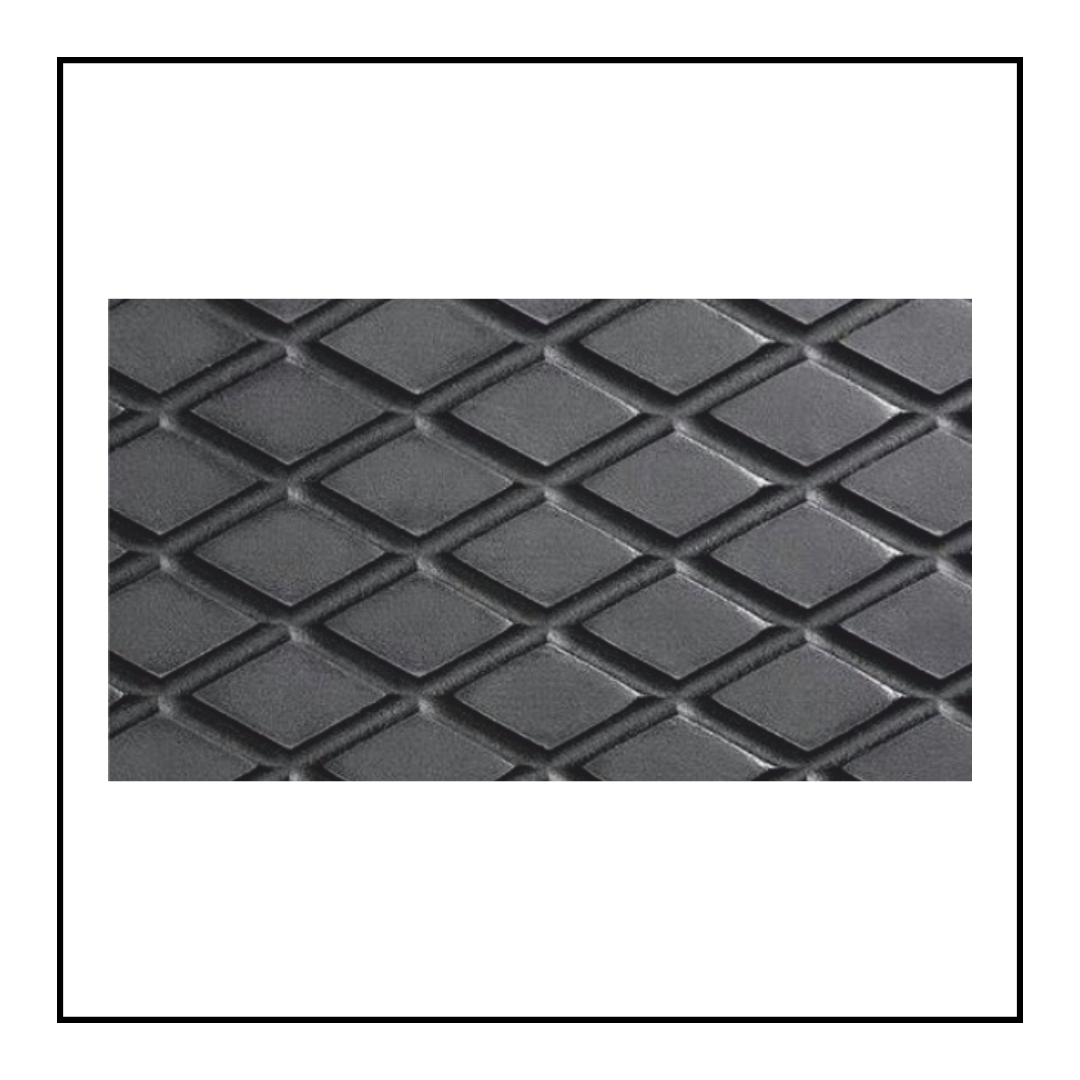
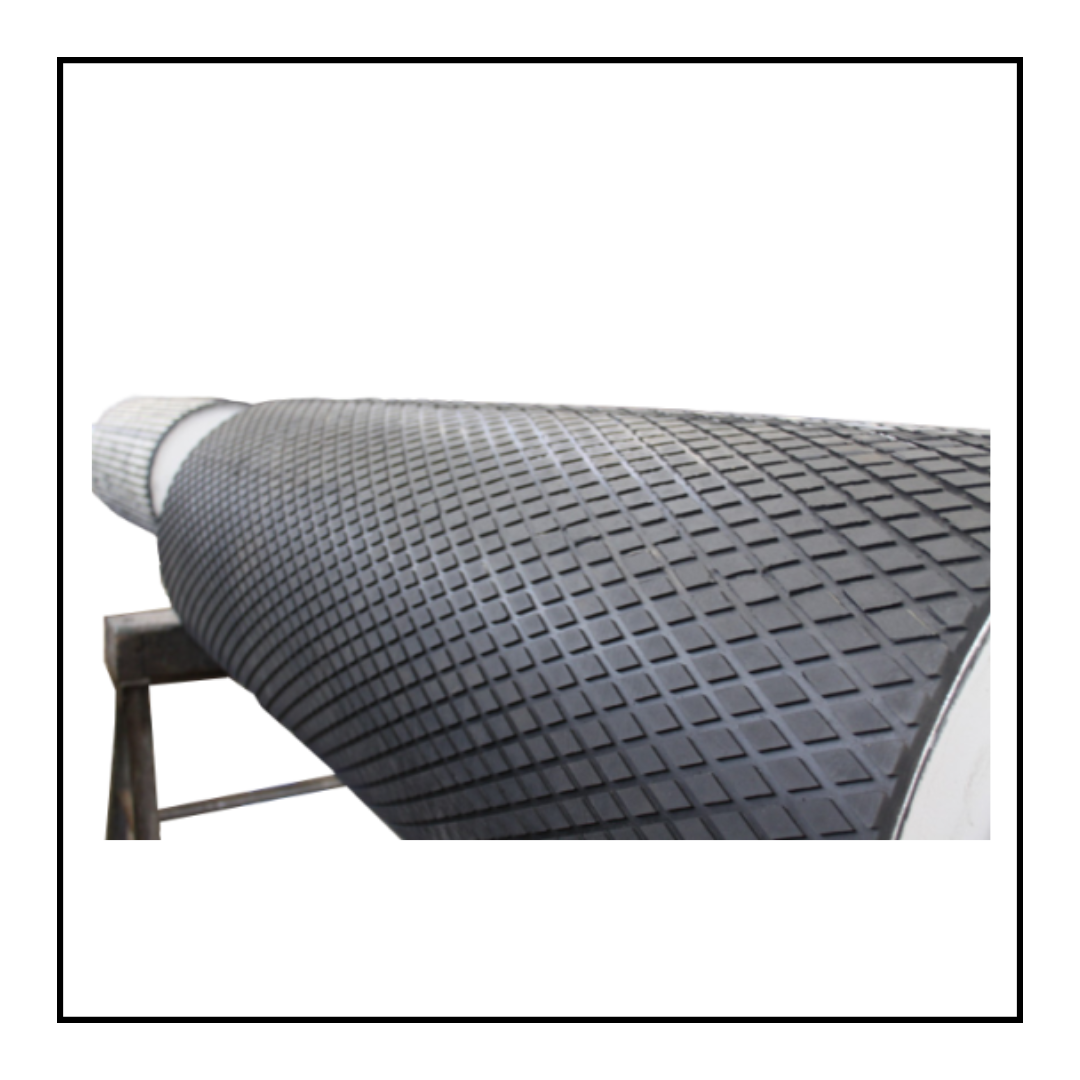
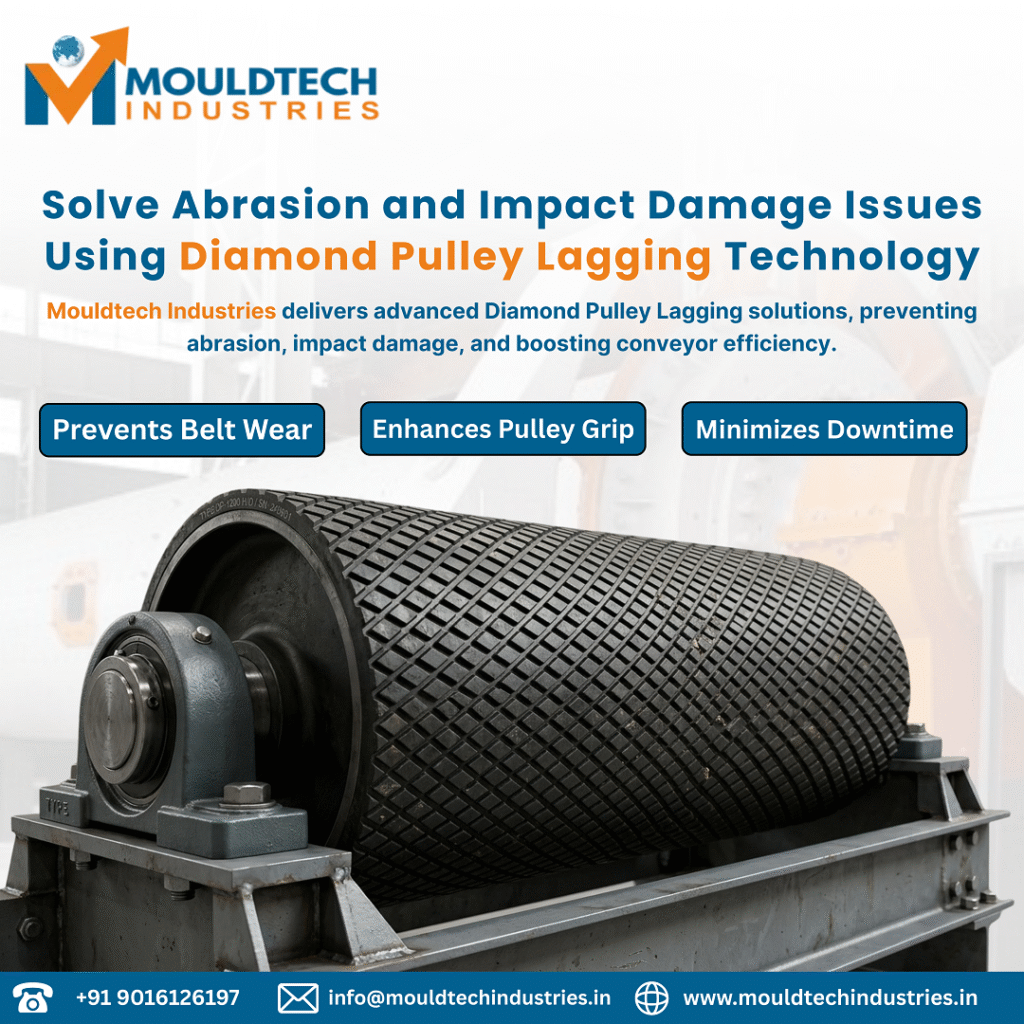
Diamond Pulley Lagging is a rubber covering fitted onto conveyor pulleys. It features a surface pattern shaped like diamonds, intended to increase the friction between the pulley and the conveyor belt.
The lagging material is usually composed of tough rubber mixes made to resist wear and environmental exposure. The textured surface helps move water and debris away, keeping effective contact between the belt and pulley.
Its main purpose is not just to shield the pulley shell but also to guarantee a steady belt grip under various load circumstances.
Uses Across Various Sectors
- Resource Extraction Sector: Utilised in ore transport setups to lessen belt slippage and pulley wear.
- Cement Factories: Applied on clinker and input material conveyors where dust and abrasion are significant.
- Metal & Steel Plants: Supports dependable material movement in severe, high-heat settings.
- Ceramic Sector: Employed in handling rough powders and primary materials.
- Power Generation Plants: Ensures stable conveyor function in coal and residue handling setups.
- Bulk Material Handling: Extensively used at docks, logistics centres, and industrial processing units across Pan India, including cities like Ahmedabad, Mumbai, Pune, Chennai, Hyderabad, Kolkata, Bengaluru, Jaipur, and Visakhapatnam.
Manufacturing Excellence & Process Oversight
Producers with extensive sector experience know that uniformity is essential. Diamond pulley lagging is created through managed procedures involving:
- Accurate rubber mix formulation
- Consistent shaping of the diamond design
- Adhesion quality evaluations
- Precise measurement verification
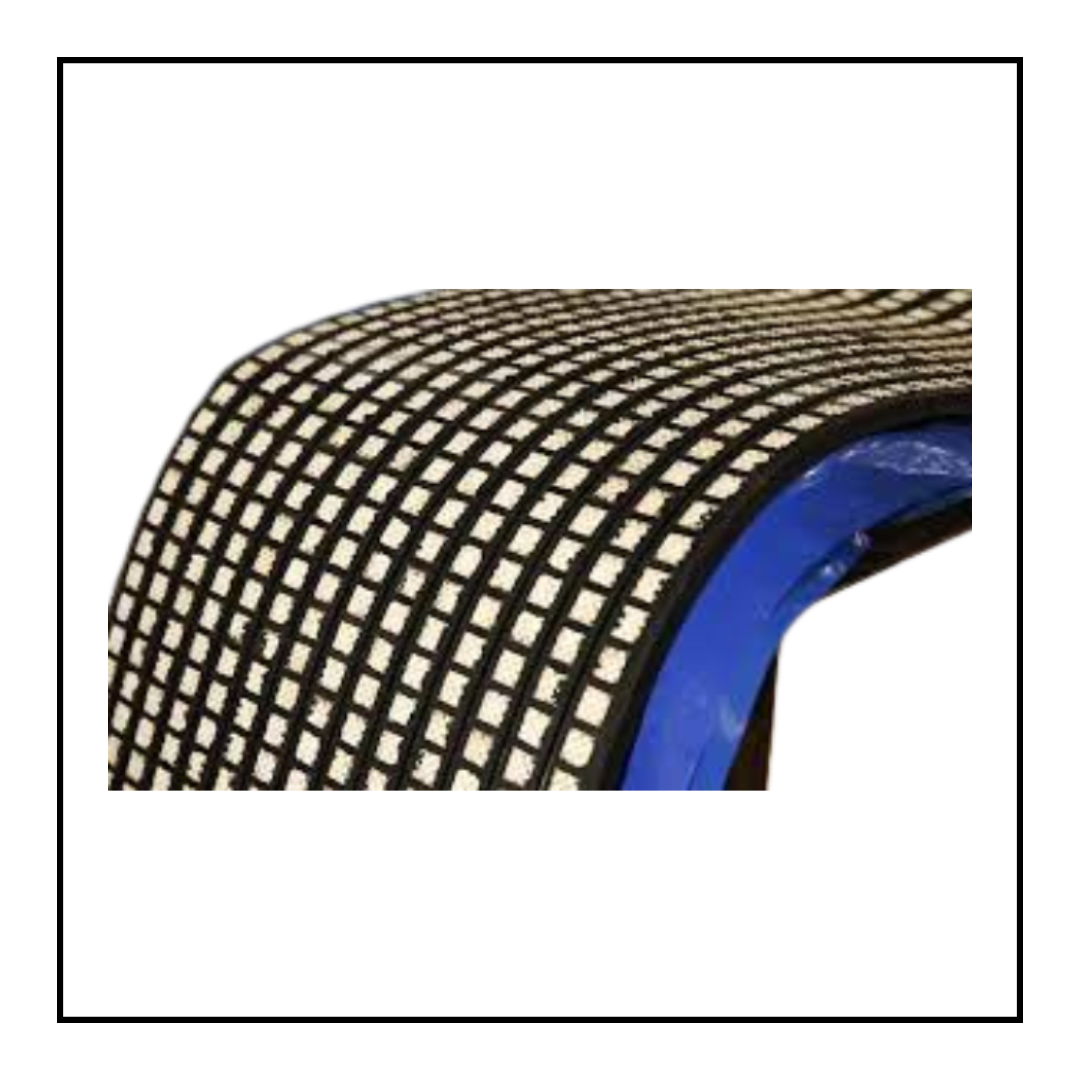
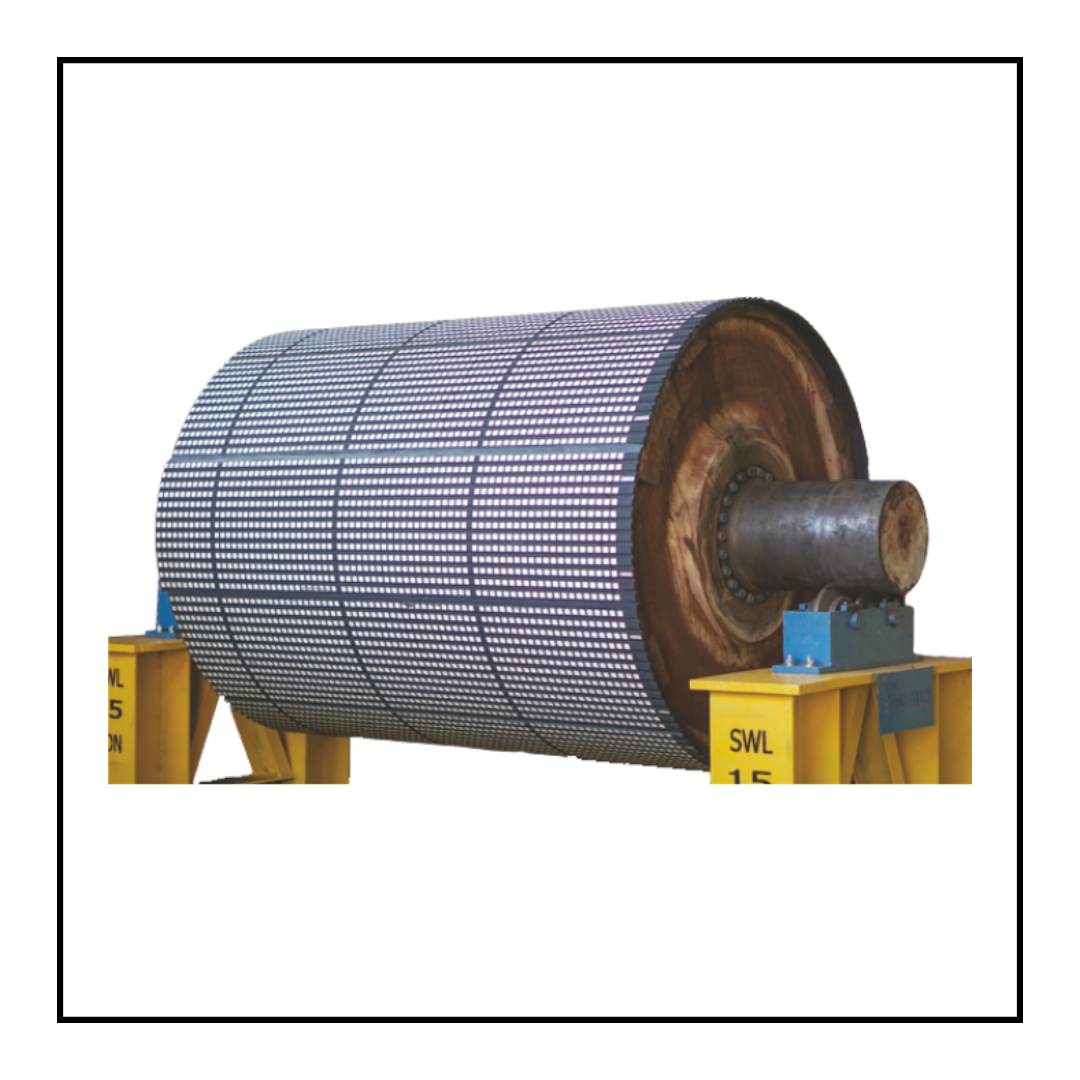
Uniformity between batches guarantees predictable performance across installations, especially when using Ceramic Lagged Pulley and Ceramic Lagging Sheet solutions in large industrial operations.
Fitting & Servicing Points
Correct fitting directly influences operation. Key aspects to note include:
- Preparing the pulley surface before applying the lagging
- Employing suitable bonding agents or room-temperature bonding methods
- Checking alignment to avoid uneven wear
Regarding upkeep, diamond lagging lessens how often pulleys need changing. Regular checks during scheduled shutdowns assist in catching wear patterns early, minimising sudden malfunctions.
Importance of Experienced Producers
Choosing the right manufacturer is crucial. Engineering skill ensures the lagging material suits the specific operating environment. Trustworthy manufacturers deliver:
- Material choices tailored to the application
- Consistent product excellence
- Prompt delivery to meet service timelines
This is particularly vital in industries where system stoppages directly impact production volume.
About Mouldtech Industries
Mouldtech Industries is a seasoned producer focusing on industrial rubber and wear prevention solutions, including pulley lagging, rubber lining systems, and conveyor parts. The firm serves many sectors across India and supports worldwide industrial requirements with practical, application-focused answers.
For additional details, browse: 👉 https://www.mouldtechindustries.in/
Summary
Diamond Pulley Lagging is a practical and widely accepted method for boosting conveyor efficacy and minimising wear-linked problems. In demanding industrial settings, it leads to better grip, less downtime, and extended equipment lifespan.
For site engineers and maintenance groups, selecting the correct lagging solution is a significant move toward improving overall system dependability.
Core Takeaways
- Improves conveyor belt traction and lessens slipping
- Shields protect pulley surfaces from wear and corrosion
- Appropriate for numerous demanding industries
- Supports steady long-term functionality
- Widely used across worldwide industrial spheres
FAQs
1. What is the typical lifespan of diamond pulley lagging?
- It depends on operating conditions, but it generally lasts several years with proper maintenance.
2. Where is the diamond pulley lagging most commonly used?
- It is widely used in mining, cement, steel, and bulk material handling industries.
3. How often should pulley lagging be inspected?
- Routine inspection during scheduled maintenance shutdowns is recommended.
4. What is the difference between rubber and ceramic lagging?
- Rubber lagging provides flexibility and traction, while ceramic lagging offers higher abrasion resistance.
5. Can it be used in wet conditions?
- Yes, the diamond pattern helps maintain grip by channelling water away.
#BallMillRubberLiner #CeramicWearProtection #RubberLining #MiningSolutions #BulkMaterialHandling #ConveyorSolutions #MouldtechIndustries #WearProtection #IndustrialManufacturing