

Conveyor Systems for Reliable Bulk Material Handling in Industry: Mouldtech Industries
Introduction
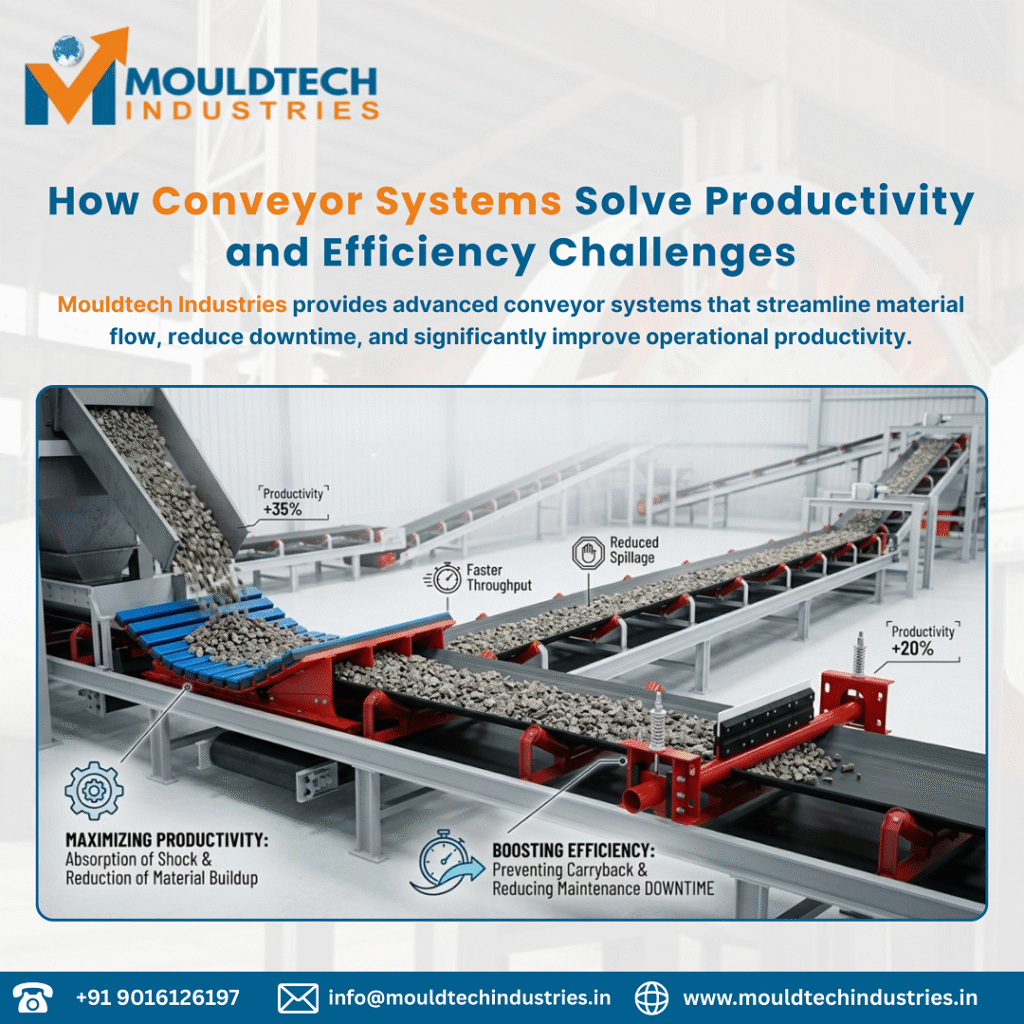
In heavy-duty industrial environments, sectors such as mining, cement, ceramics, and metal processing operate under constant pressure to sustain throughput while minimizing wear and unplanned downtime. Equipment like mills, chutes, and conveying lines faces continuous abrasion, high impact loads, and intense material flow stress, directly influencing productivity, safety, and maintenance costs. To address these challenges, next-level conveyor systems for optimized plant operations play a vital role, with solutions engineered by Mouldtech Industries supporting improved reliability and performance.
Throughout India—from the mineral-rich areas of Odisha, Jharkhand, and Chhattisgarh to the ceramic hubs in Gujarat and the industrial estates in Maharashtra and Tamil Nadu—site supervisors are focusing on dependability and safeguarding against wear. Globally, comparable patterns are evident in mining territories like Australia, Africa, and the Middle East, where bulk transport setups face harsh usage scenarios.
Operational Difficulties Driving Demand for Conveyor Setups
In mining and metal refining activities, several recurring issues impact how well conveyor systems perform:
- Friction: Constant material movement, particularly with ores and clinker, causes surface deterioration.
- Impact Forces: Heavy material pieces dropping onto belts or transition points induce structural strain.
- Deterioration: Moisture, chemicals, and environmental exposure weaken system elements.
- Stoppages: Unforeseen conveyor malfunctions halt entire production sequences.
- Upkeep Expenses: Frequent fixes and replacement parts raise operating costs.
Seasoned site supervisors frequently note that poorly performing conveyor setups not only lower output but also introduce safety hazards in heavily loaded environments.
Defining a Conveyor System
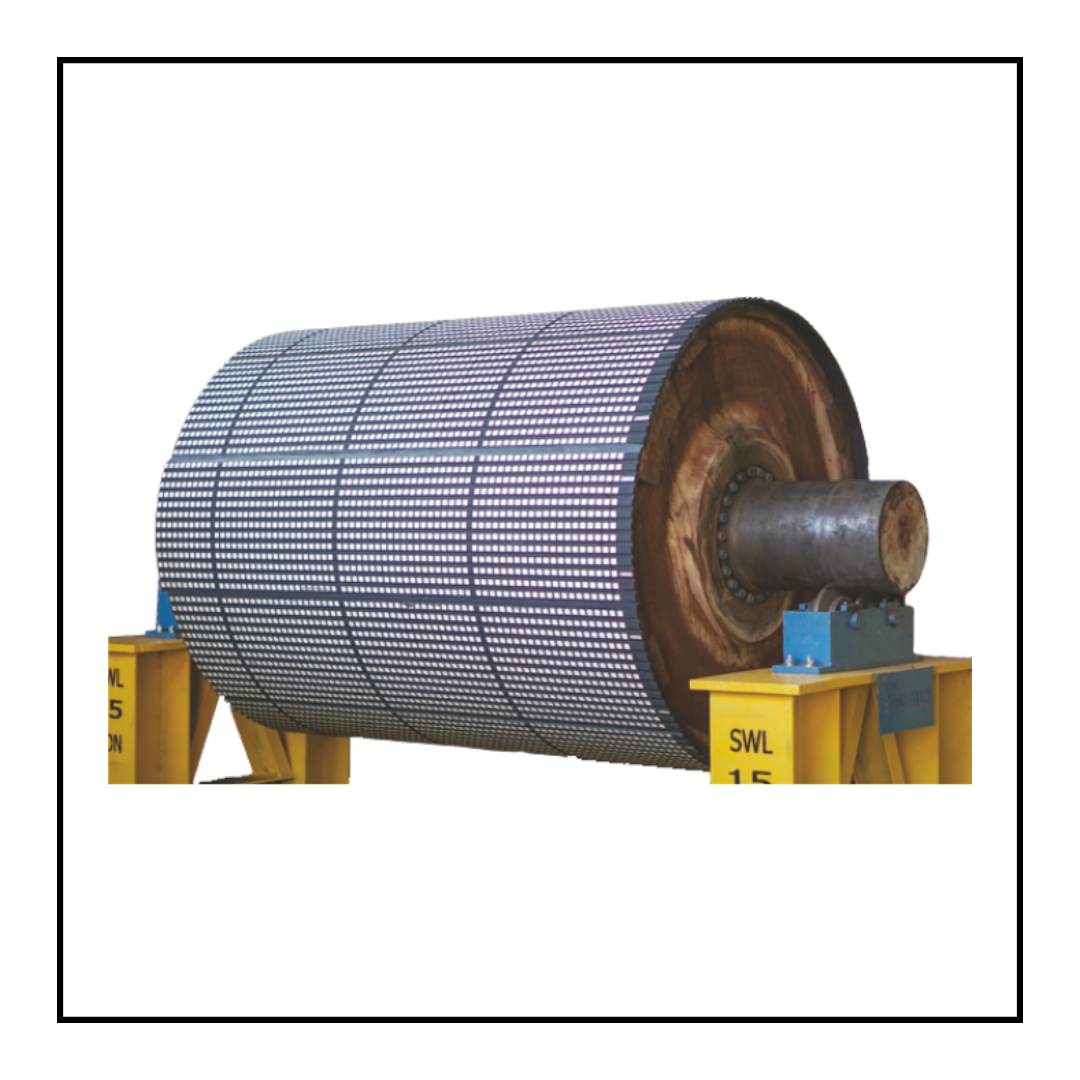
A conveyor system is a powered apparatus engineered to efficiently move significant quantities of material from one location to another within a facility. It generally comprises belts, rollers, wheels, idlers, and support frameworks.
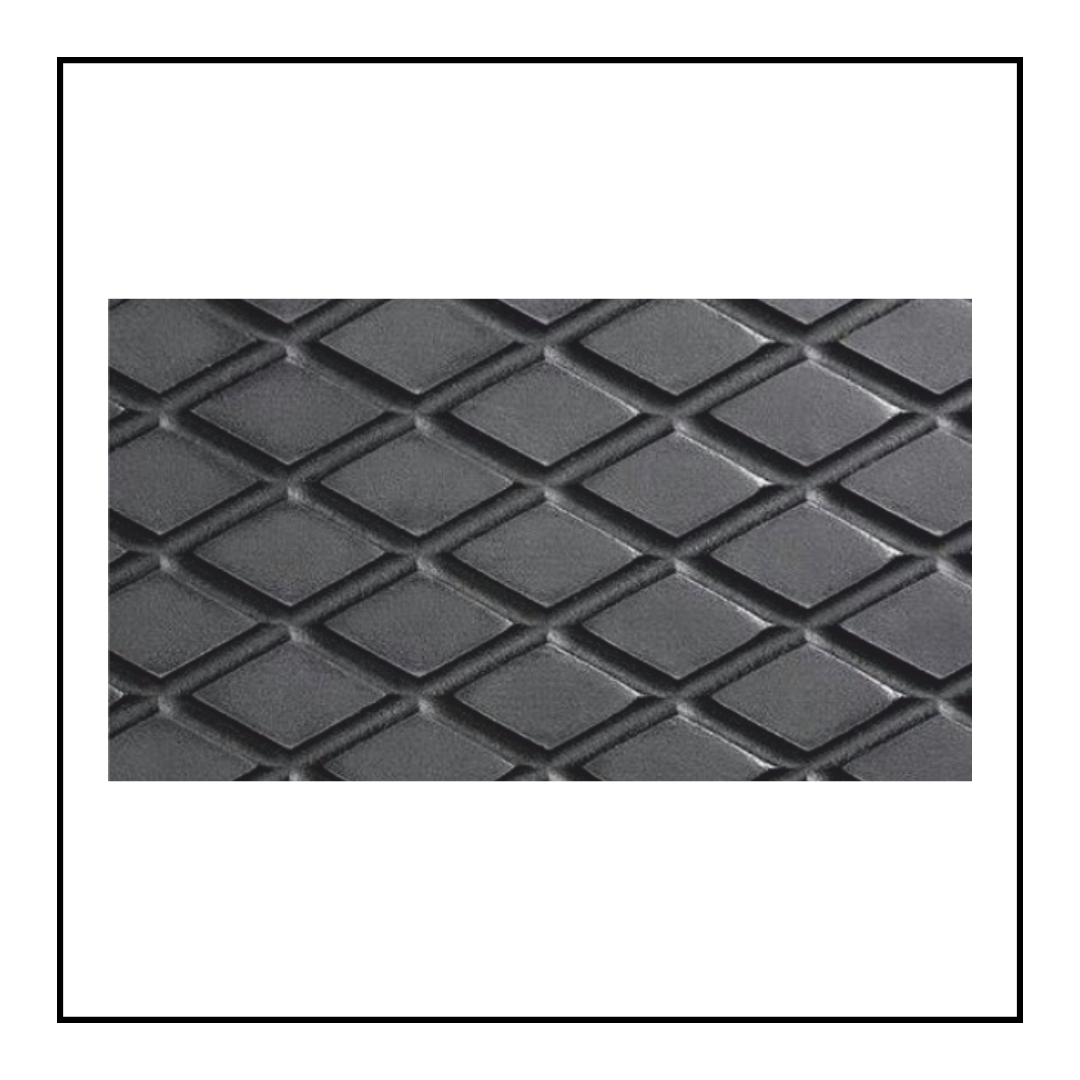
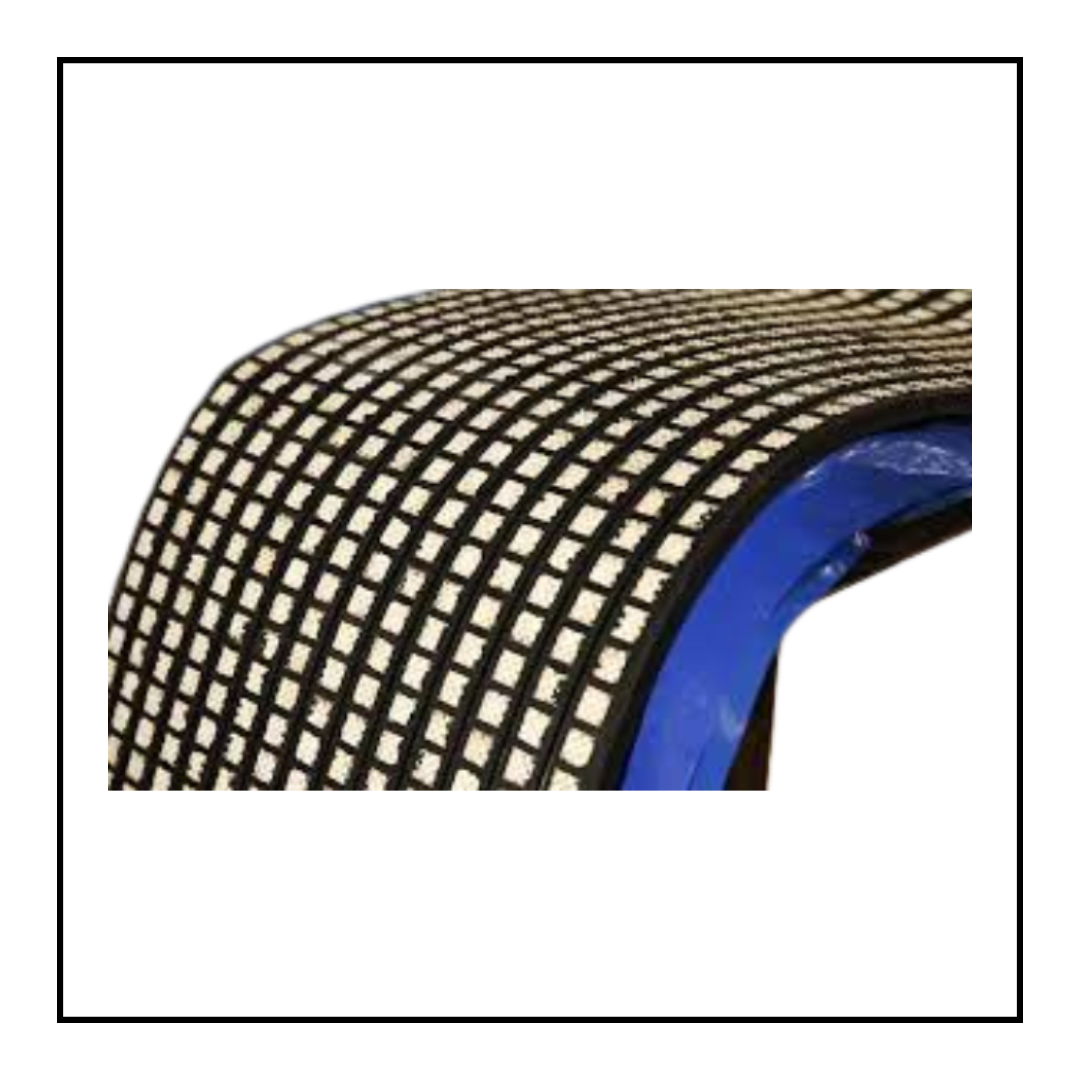
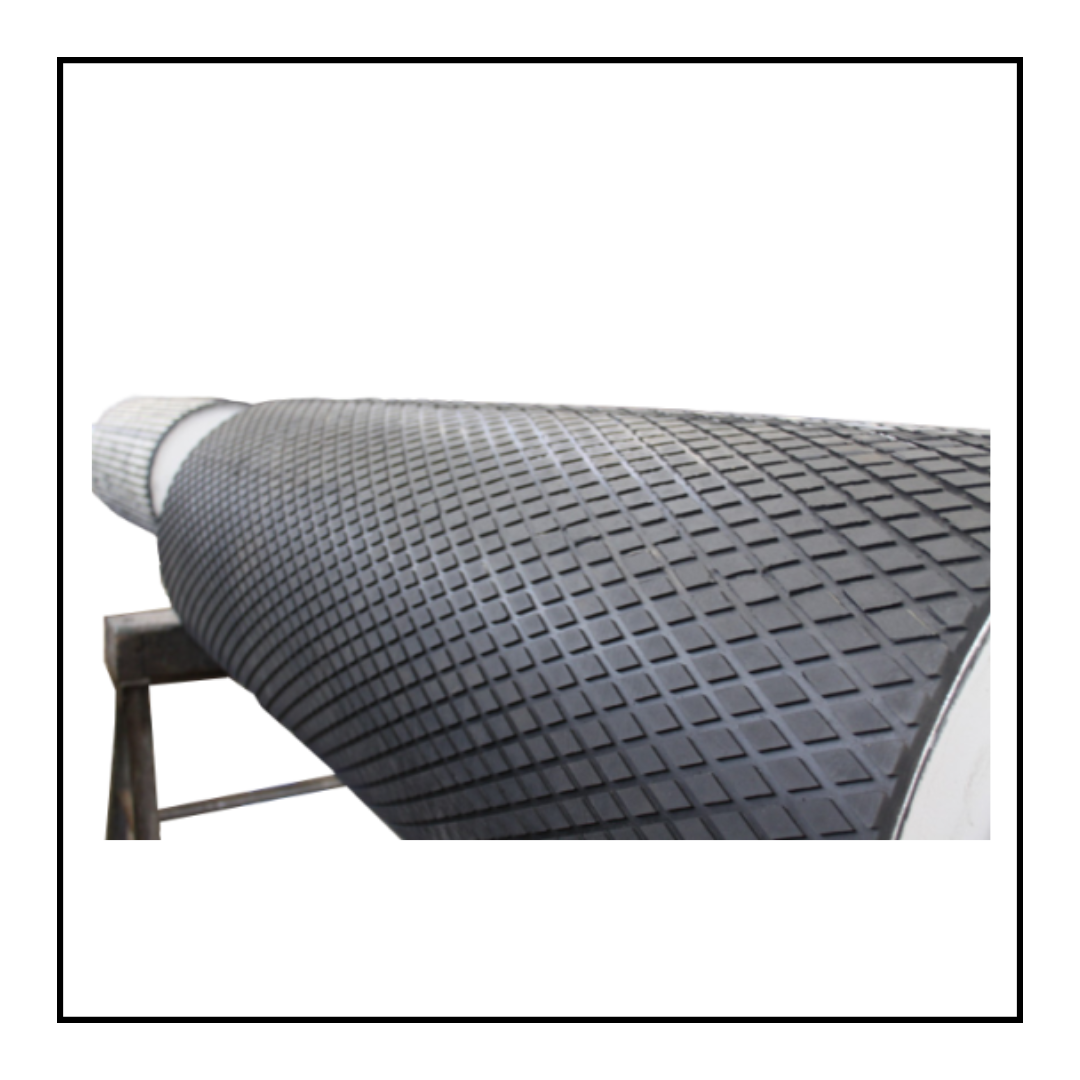
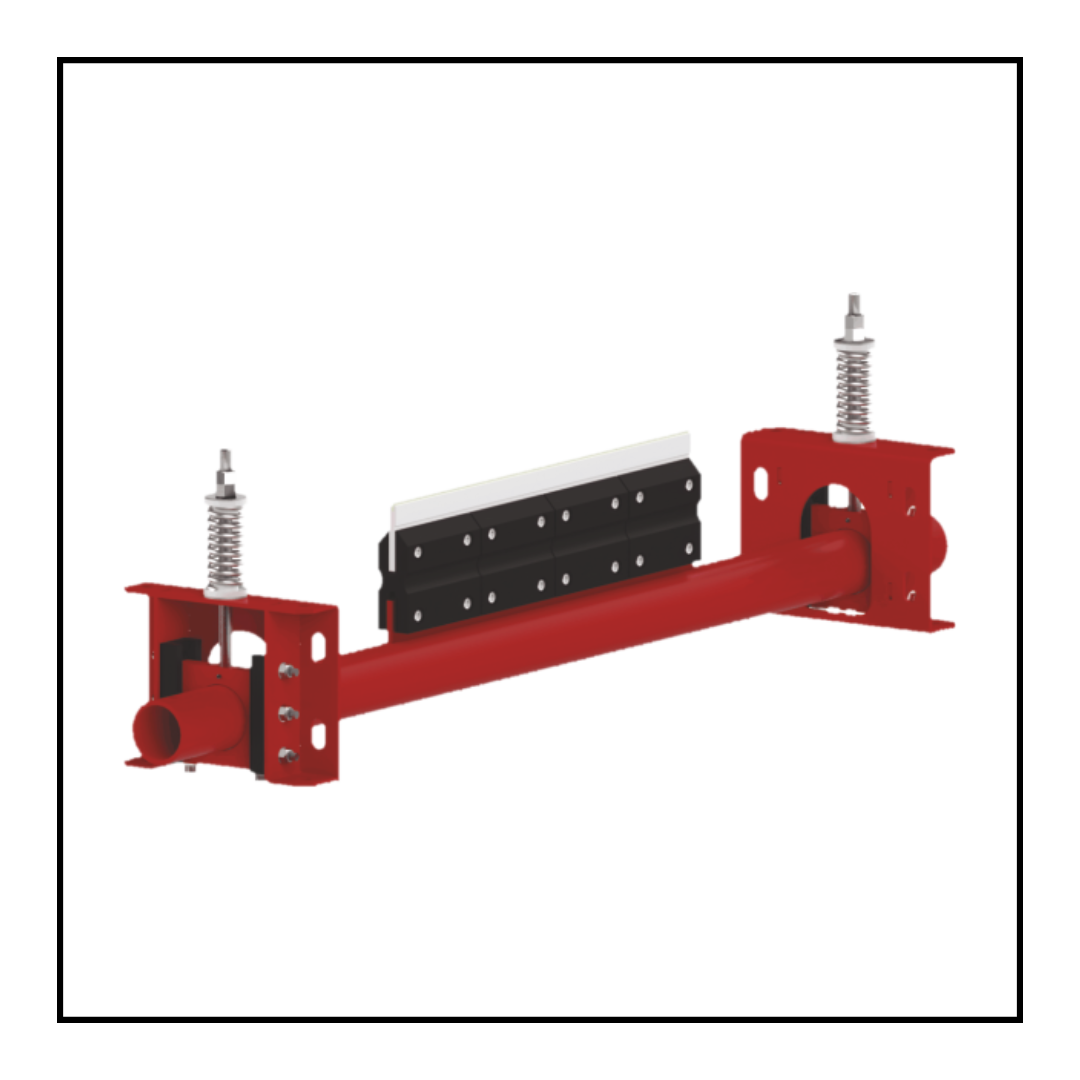
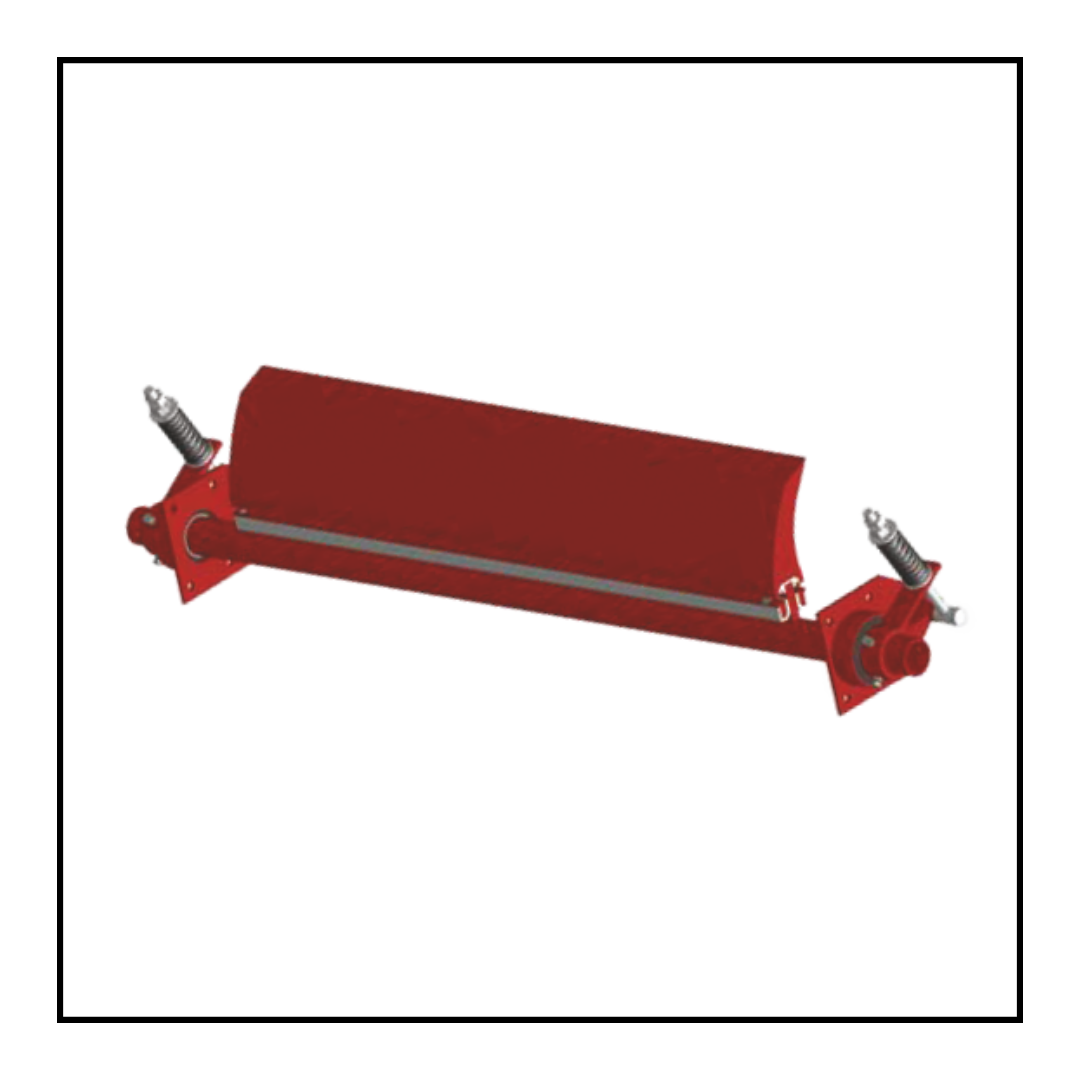
Depending on the specific use, conveyor systems can incorporate features for wear mitigation, such as rubber sheeting, ceramic tiling, and belt cleaners. These additions aid in managing material movement while shielding vital components from harm.
Common Uses Across Sectors
- Mining Sector: Utilized for conveying ores, coal, and minerals across extended routes with minimal human intervention.
- Cement Factories: Move foundational supplies like limestone and clinker between crushing units, furnaces, and storage facilities.
- Metal & Steel Mills: Manage hot substances, waste slag, and finished goods under challenging heat and load conditions.
- Ceramic Manufacturing: Transport raw goods and completed tiles effectively within production areas, notably in Gujarat’s industrial centers.
- Power Generation Plants: Coal handling apparatus is heavily reliant on conveyors for a steady fuel provision.
- Bulk Material Transfer: Ports, storage facilities, and distribution centers employ conveyors for effective loading and unloading operations.
Manufacturing Quality & Process Oversight
Producers with extensive industry tenure recognize that conveyor system dependability hinges on precise construction and stringent quality checks.
- Material Selection: Components are chosen based on the stress they must withstand and the surrounding conditions.
- Precise Sizing: Ensures smooth operation and reduces strain during use.
- Uniform Production: Consistent manufacturing standards help maintain predictable outcomes.
- Verification Procedures: Regular quality assessments are performed at several points in the making process.
Setup & Servicing Factors
Correct installation and upkeep directly affect how well a conveyor system functions:
- Simple Setup: Sectional designs simplify on-site assembly.
- Accurate Lining Up: Essential for minimizing belt damage and wasted power.
- Service Intervals: Routine checks of belts, rollers, and protective layers prevent sudden breakdowns.
- Minimizing Outages: Planned servicing schedules help avoid production halts.
Experienced site supervisors often stress proactive upkeep—along with components like impact bars and primary belt cleaners—over reactive fixes to ensure consistent, long-term performance.
Value of Seasoned Producers
Choosing the appropriate manufacturer is crucial for industrial needs:
- Design Proficiency: Understanding how materials behave and the specific site circumstances.
- Sector Knowledge: Capacity to suggest suitable setups for different business segments.
- Consistent Availability: Dependable product supply and quality assurance.
Producers with a proven track record can tailor conveyor system designs to address genuine operational hurdles.
About Mouldtech Industries
Mouldtech Industries is an established producer specializing in conveyor solutions, rubber protective coatings, ceramic defense against wear, and rubber lining for ball mills. Supporting various industrial needs across India—including Gujarat, Maharashtra, Rajasthan, Tamil Nadu, Karnataka, West Bengal, Odisha, and further afield—the company provides practical engineering answers.
For additional details, visit: 👉 https://www.mouldtechindustries.in/
Summary
Conveyor systems constitute a vital element of contemporary industrial work, especially in sectors managing large volumes of material. Their capacity to guarantee uninterrupted material flow, lessen manual labor, and support operational efficiency makes them essential.
With thoughtful design, the right materials, and sound upkeep methods, conveyor systems contribute substantially to site dependability and sustained cost management.
Main Points
- Effective wear defense extends conveyor service life
- Dependable setups lessen operational interruptions
- Suitable across mining, cement, ceramic, and metal sectors
- Aids in sustained facility effectiveness
- Relevant in both Indian and international industrial settings
Trending FAQs
Q1. What is the typical lifespan of a conveyor system?
- It depends on operating conditions, material type, and maintenance practices, but well-maintained systems can last several years.
Q2. Which industries benefit most from conveyor systems?
- Mining, cement, steel, ceramics, and bulk material handling industries rely heavily on them.
Q3. How often should conveyor systems be maintained?
- Routine inspections are recommended monthly, with detailed maintenance scheduled periodically based on usage.
Q4. What is the difference between rubber and ceramic wear protection?
- Rubber offers flexibility and impact resistance, while ceramic provides superior abrasion resistance.
Q5. Are conveyor systems suitable for global industrial environments?
- Yes, they are widely used in mining and industrial sectors across regions like Asia, Africa, and Australia.
#BallMillRubberLiner #CeramicWearProtection #RubberLining #MiningSolutions #BulkMaterialHandling #ConveyorSolutions #MouldtechIndustries #WearProtection #IndustrialManufacturing