

Enhancing Industrial Reliability with Ball Mill Rubber Lining: Mouldtech Industries
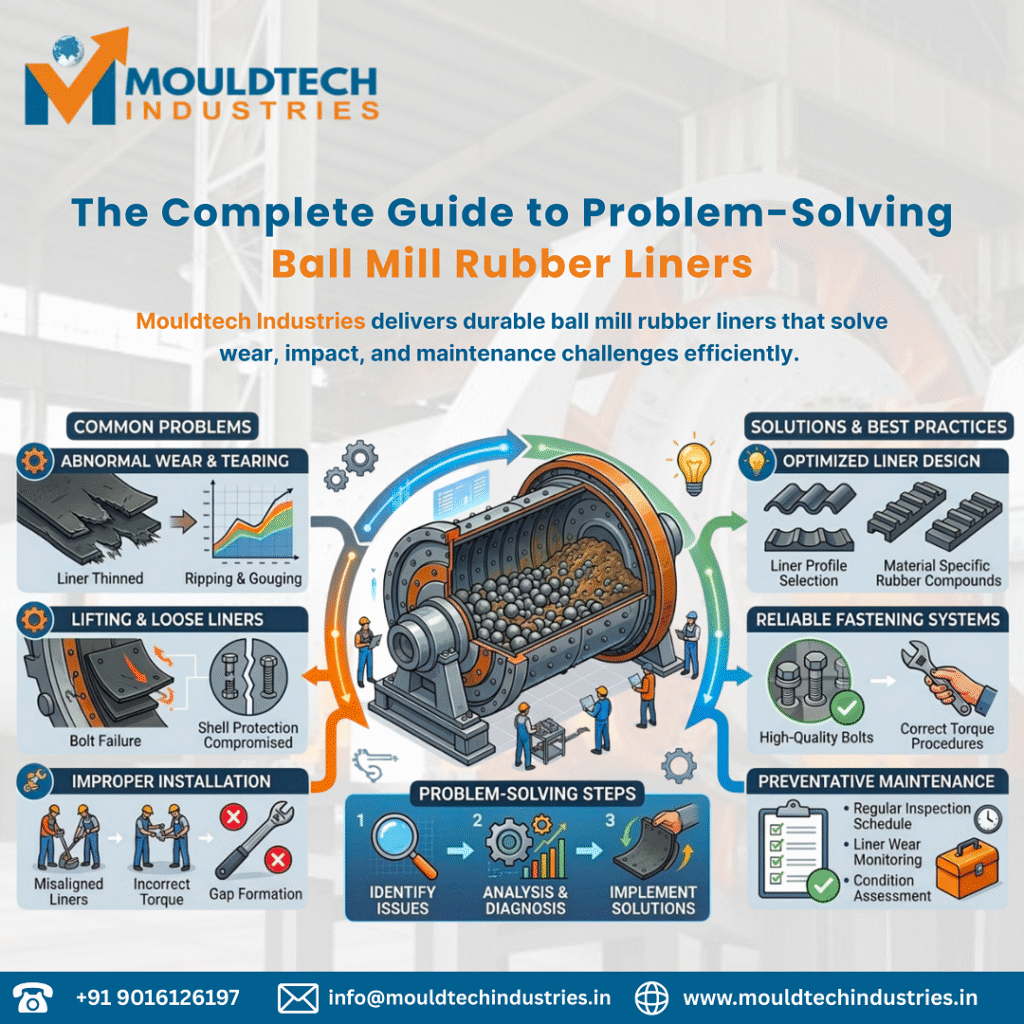
In heavy-duty industrial environments such as mining, metal processing, cement production, and ceramic manufacturing, maintaining equipment reliability is critical for continuous operations. Abrasion, impact loads, and corrosive materials constantly strain machinery, leading to unplanned downtime and increased maintenance costs. Experienced plant engineers often observe that inadequate wear protection reduces throughput and efficiency. Preventing Abrasion Damage in Ball Mills with Rubber Liners, solutions from Mouldtech Industries help improve durability, stabilize performance, and support consistent plant productivity in demanding industrial conditions.
Ball Mill Rubber Sheeting has become a vital answer for addressing these issues, offering strong safeguarding for mills, chutes, and transport lines throughout industrial sectors. Worldwide, businesses are putting resources into advanced covering systems to boost equipment lifespan and sustain steady output, especially in key mining zones, steel facilities, cement complexes, and ceramic production areas.
Industrial Hurdles Fueling the Need for Ball Mill Rubber Sheeting
Industrial facilities encounter various deterioration problems:
- Friction: Material moving at high speeds, such as ore, clinker, or ceramic dust, wears down the inside of mills over time.
- Forceful Impacts: Large pieces of raw material can cause concentrated harm, resulting in cracks in the lining or the metal casing itself.
- Chemical Deterioration: Moisture, various substances, and aggressive mineral mixtures damage standard steel surfaces.
- Service Interruptions: Frequent fixes disrupt manufacturing plans, affecting facility productivity and meeting commitments.
- Repair Expenditures: Changing out worn coverings or handling unexpected repairs can involve significant labor and material outlays.
Producers with extensive industry background recognize that tackling these matters demands both mastery of material science and meticulous design.
What Constitutes Ball Mill Rubber Sheeting?
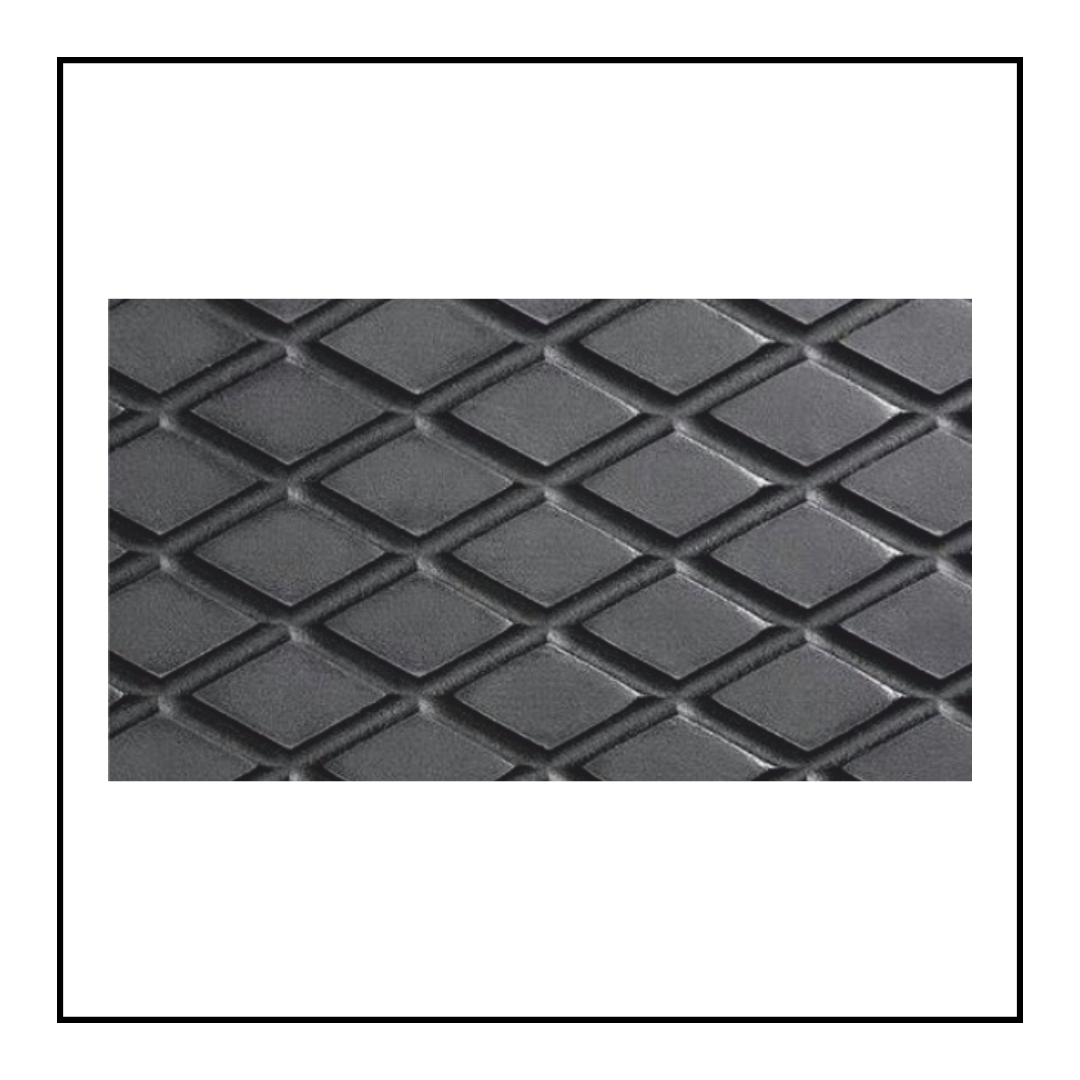
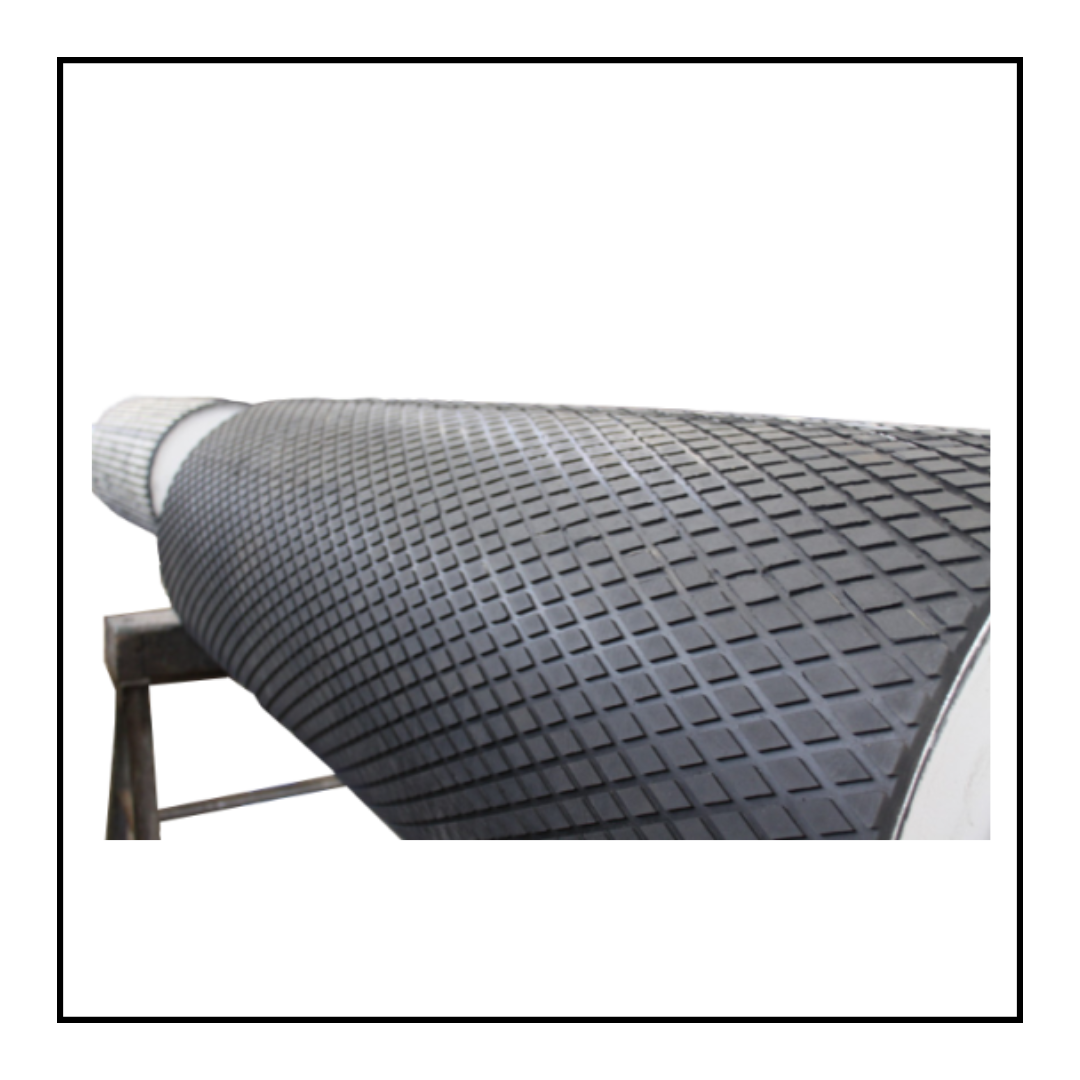
Ball Mill Rubber Sheeting involves applying thick, superior-grade rubber panels or formed protectors to the inner surfaces of a mill. Intended for demanding wear resistance, these coverings absorb shocks, lessen rubbing, and inhibit material sticking. Unlike simple iron linings, rubber offers controlled flexibility, decreasing strain on the mill casing and lowering the chance of fractures or early failure.
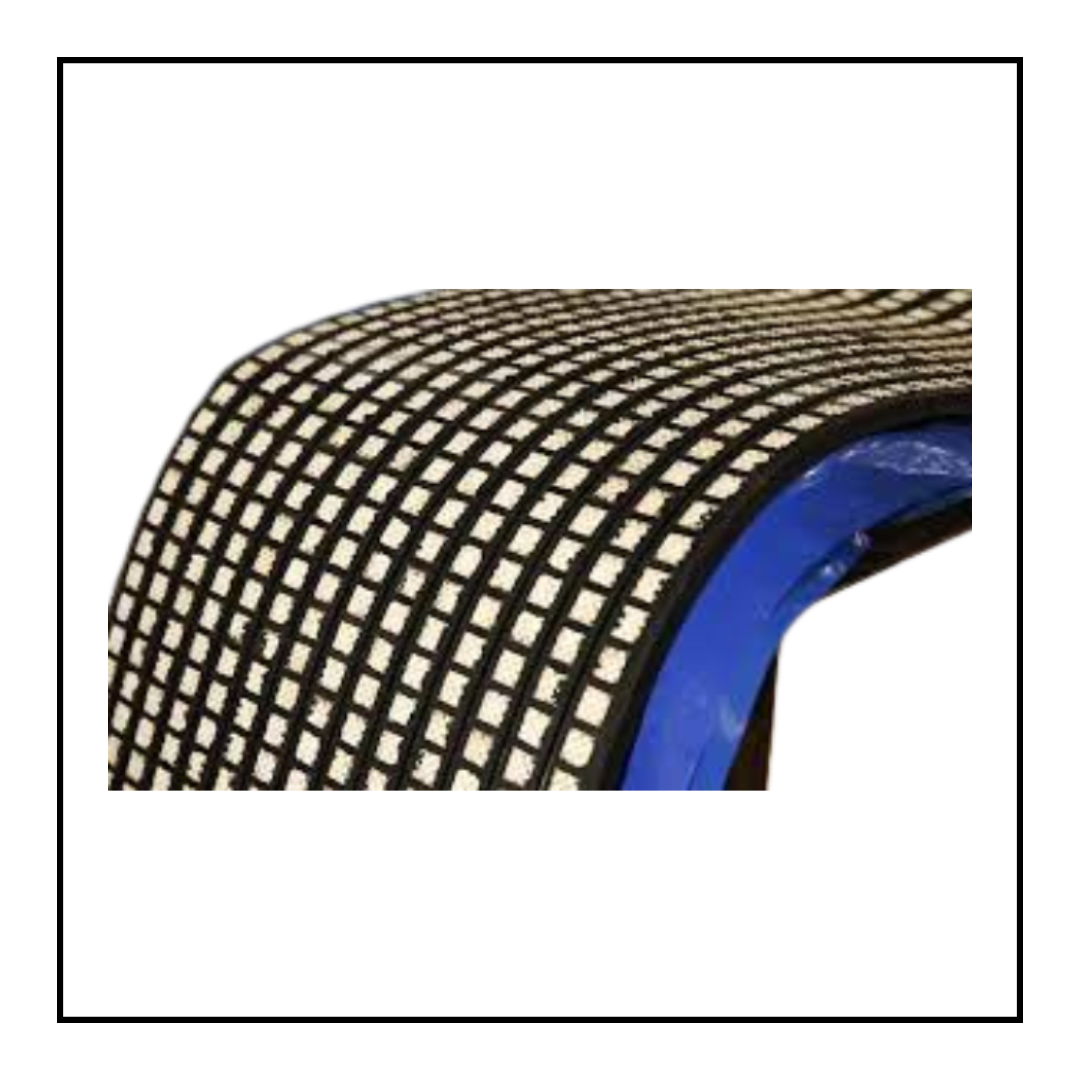
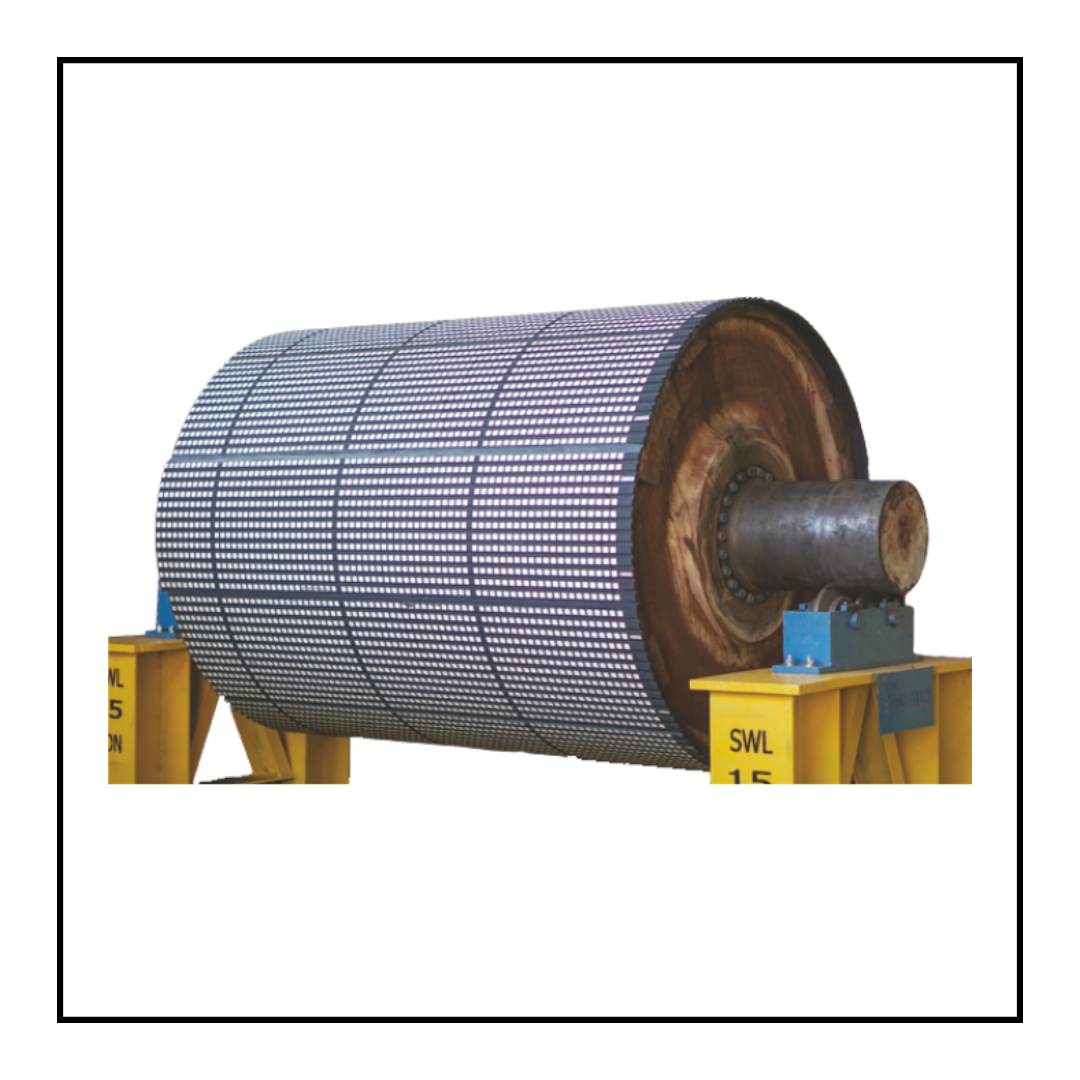
In mining and metal refining processes, these linings are engineered to endure high levels of wear while keeping their shape. They are frequently paired with ceramic wear shields in areas facing intense force or exposure to chemicals, creating a combined approach for maximum equipment longevity.
Uses Across Various Sectors
- Mining: Rubber-protected ball mills in mineral refining sites cut down on wear from ores and grinding components, ensuring uninterrupted flow.
- Cement Facilities: Liners shield grinding mills processing clinker, gypsum, and supplements, reducing the frequency of necessary upkeep.
- Metal & Steel: Ball mills handling iron, copper, and other metals benefit from impact-resistant rubber protectors, preserving the casing’s integrity.
- Ceramic Production: Ceramic dust and abrasive substances are managed effectively with integrated rubber and ceramic protection arrangements.
- Power Stations: Coal mills and ash handling setups see extended service periods with customized rubber covering solutions.
- Bulk Material Transport: Chutes, storage bins, and conveyor lines use rubber coverings to minimize spills, noise, and wear.
Manufacturing Excellence & Process Oversight
Precise production is crucial. Every rubber covering goes through:
- Size verification for a perfect fit
- Testing for firmness and elasticity
- Batch confirmation for consistent performance
These steps guarantee predictable wear patterns and dependable mill operation with Combo Liner and Italic Liner across numerous sites, from Gujarat and Maharashtra to Odisha and Tamil Nadu, and in major mining and metal processing centers nationwide.
Fitting and Upkeep Considerations
Correct installation shortens out-of-service time and streamlines upkeep schedules. Rubber coverings are often sectioned, permitting targeted replacement of damaged parts instead of overhauling the entire mill lining. Seasoned facility engineers advise regular inspection timings based on mill output to maximize covering life and operational consistency.
The Value of Experienced Producers
Manufacturers with deep industry familiarity grasp the subtle distinctions between rubber and ceramic options, the importance of exact forming, and the necessity of dependable material sourcing. Design expertise ensures coverings are tailored for specific mill dimensions, material types, and working conditions, leading to predictable service duration and lessened operational hazards.
About Mouldtech Industries
Mouldtech Industries, possessing a substantial background serving Pan India and international industrial arenas, specializes in Ball Mill Rubber Liners, Ceramic Wear Protection Systems, Rubber Covering Solutions, and Conveyor Belt merchandise. Their engineering skill supports mining, cement, metal, and ceramic plants across cities, including Ahmedabad, Bengaluru, Pune, Kolkata, and others. Discover more at 👉 https://www.mouldtechindustries.in/.
Summation
In mining, metalworking, cement production, and bulk material handling functions, Ball Mill Rubber Sheeting is a proven method for decreasing deterioration, minimizing interruptions, and boosting overall facility effectiveness. By teaming up with seasoned manufacturers, industrial operations can attain steady dependability and enduring performance.
Chief Points to Remember
- Provides durable protection against wear in tough settings
- Boosts operational dependability and cuts down on downtime
- Suitable for mining, cement, metal, ceramic, and bulk transport
- Supports long-term mill and conveyor functionality
- Relevant globally in mining and industrial processing centers
Trending FAQs
Q1: What is the typical lifespan of a ball mill rubber liner?
- A: Lifespan depends on material type, throughput, and impact levels. Regular inspection ensures optimal replacement cycles.
Q2: Are rubber liners suitable for all mill types?
- A: They are ideal for wet and dry mills, particularly where abrasion and moderate impact dominate.
Q3: How often should maintenance inspections occur?
- A: Experienced plant engineers recommend inspections aligned with production cycles, typically every 3–6 months.
Q4: How do rubber liners compare to ceramic wear protection?
- A: Rubber absorbs impact and reduces stress, while ceramic is better for extreme abrasion or corrosive materials. Hybrid solutions are common.
Q5: Are these linings used globally?
- A: Yes, in mining, cement, metal, and ceramic industries worldwide, including Australia, South Africa, and South America.
#BallMillRubberLiner #CeramicWearProtection #RubberLining #MiningSolutions #BulkMaterialHandling #ConveyorSolutions #MouldtechIndustries #WearProtection #IndustrialManufacturing