

Boosting Productivity with Smart Conveyor Technology: Mouldtech Industries
In heavy-duty industrial environments, equipment reliability and wear protection are critical factors for operational success. Smart Industrial Conveyor Technology For Productivity has become an essential part of modern manufacturing and material handling systems. Industries such as mining, metal and steel processing, cement production, ceramics manufacturing, and bulk material handling constantly face operational challenges that impact efficiency, safety, and profitability. Abrasion, heavy impact loads, corrosion, and unexpected downtime can lead to costly maintenance cycles and reduced equipment lifespan.
As worldwide industrial needs keep growing throughout India’s mineral extraction zones, metal processing clusters, concrete manufacturing belts, and pottery production centers, the requirement for specially designed systems that safeguard machinery while optimizing material movement is rapidly increasing. Conveyor setups have turned into a vital element in contemporary industrial activities, providing resistance to wear, dampening impacts, and ensuring dependable material transport across production pathways.
Mouldtech Industries, a recognized fabricator in India, has been supplying various industrial sectors with sturdy and effective conveyor offerings that blend design exactness with real-world facility needs. To learn more, explore their official web portal: https://www.mouldtechindustries.in/.
Industrial Hurdles Fueling the Need for Conveyor Products
Seasoned facility engineers frequently observe that operational effectiveness in extraction, metalwork, cement production, and bulk movement activities is often hindered by material degradation and mechanical strain. Primary obstacles include:
- Friction: Continuous contact with hard ores, minerals, and bulk goods hastens the deterioration of conveyor belts, interior linings, and chutes. In extraction and metal refining processes, abrasion-resistant systems are essential to sustain output.
- Shock Forces: Heavy chunks of unprocessed material create momentary stress that harms standard conveyor setups—settings with heavy impact demand thoughtfully designed products for energy absorption and structural strengthening.
- Deterioration: Cement facilities and environments containing chemicals subject machinery to degrading dust, dampness, and acidic substances, calling for materials resistant to corrosion.
- Production Halts: Unforeseen shutdowns for mending or upkeep can seriously upset manufacturing schedules. Knowledgeable facility engineers understand that even a short pause can lead to delays spanning several days in large-scale endeavors.
- Upkeep Expenditures: Frequent exchanging of worn parts drives up operational spending. Optimized conveyor answers reduce the frequency of upkeep, permitting facility crews to concentrate on output.
Globally, industrial settings—from South Africa’s precious metal mines to Europe’s metal refining centers—encounter comparable operational pressures, making expertly designed conveyor assemblies a necessary investment.
What Constitutes Conveyor Systems?
Conveyor systems denote a collection of purposefully engineered items aimed at boosting the performance, endurance, and security of conveyor setups. These offerings comprise:
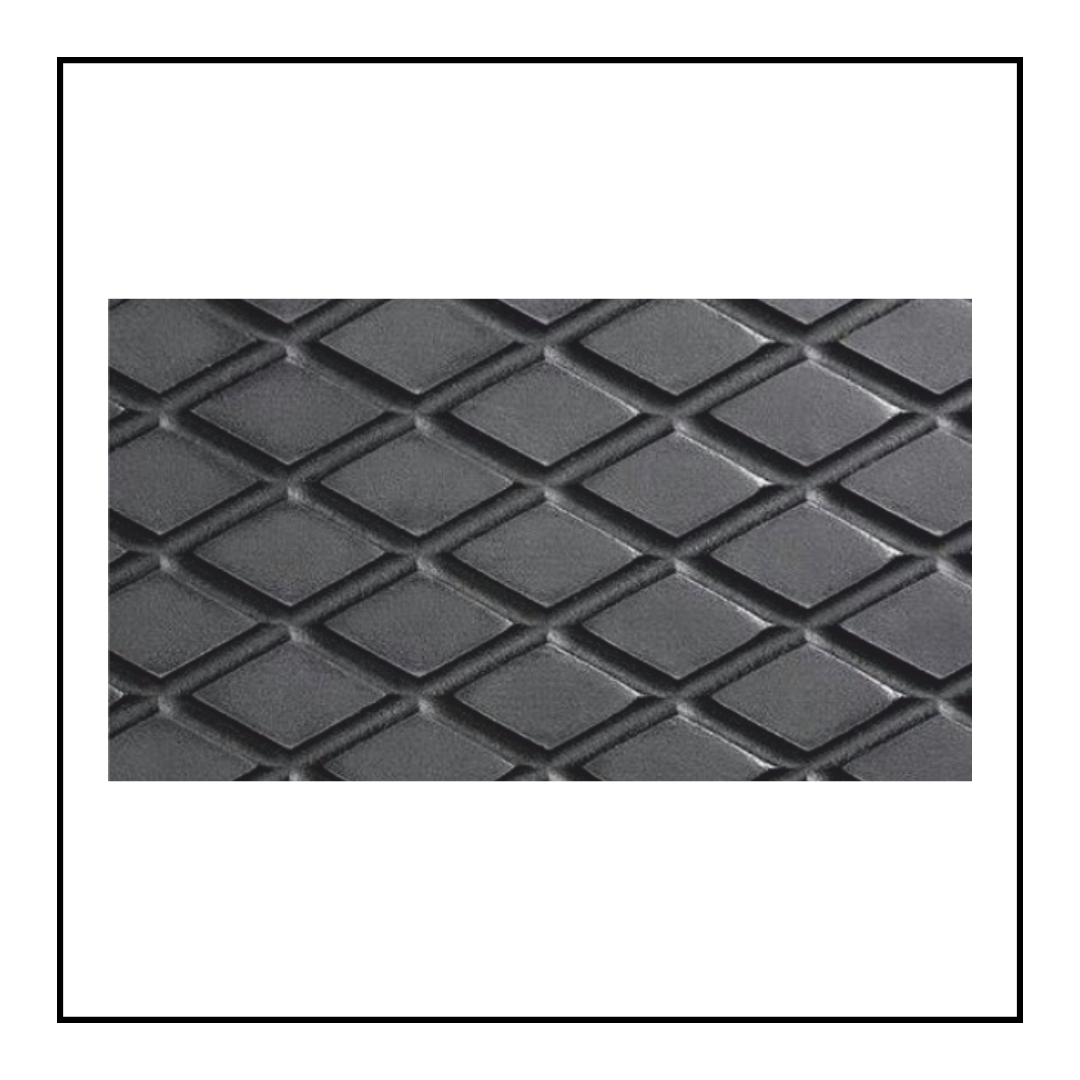
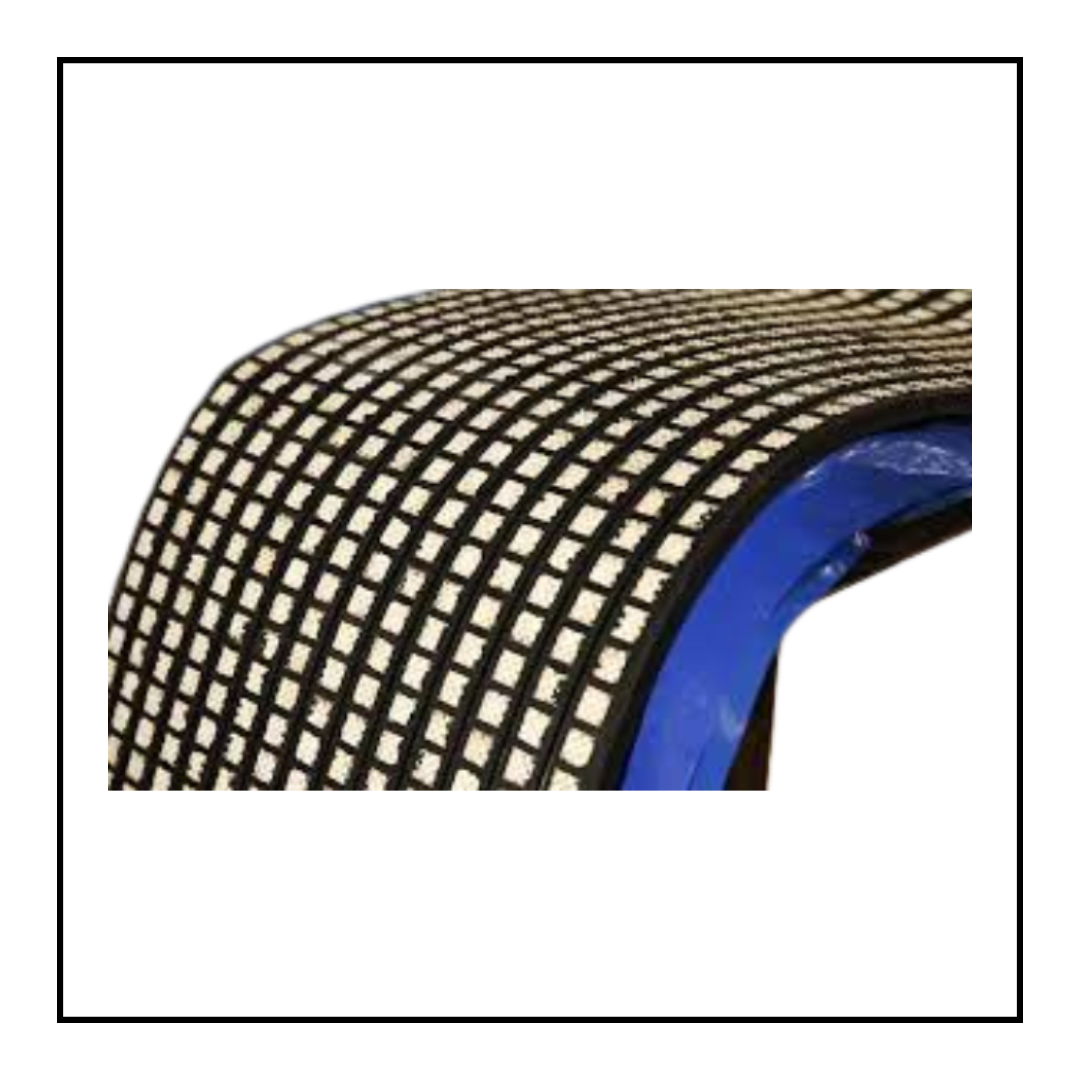
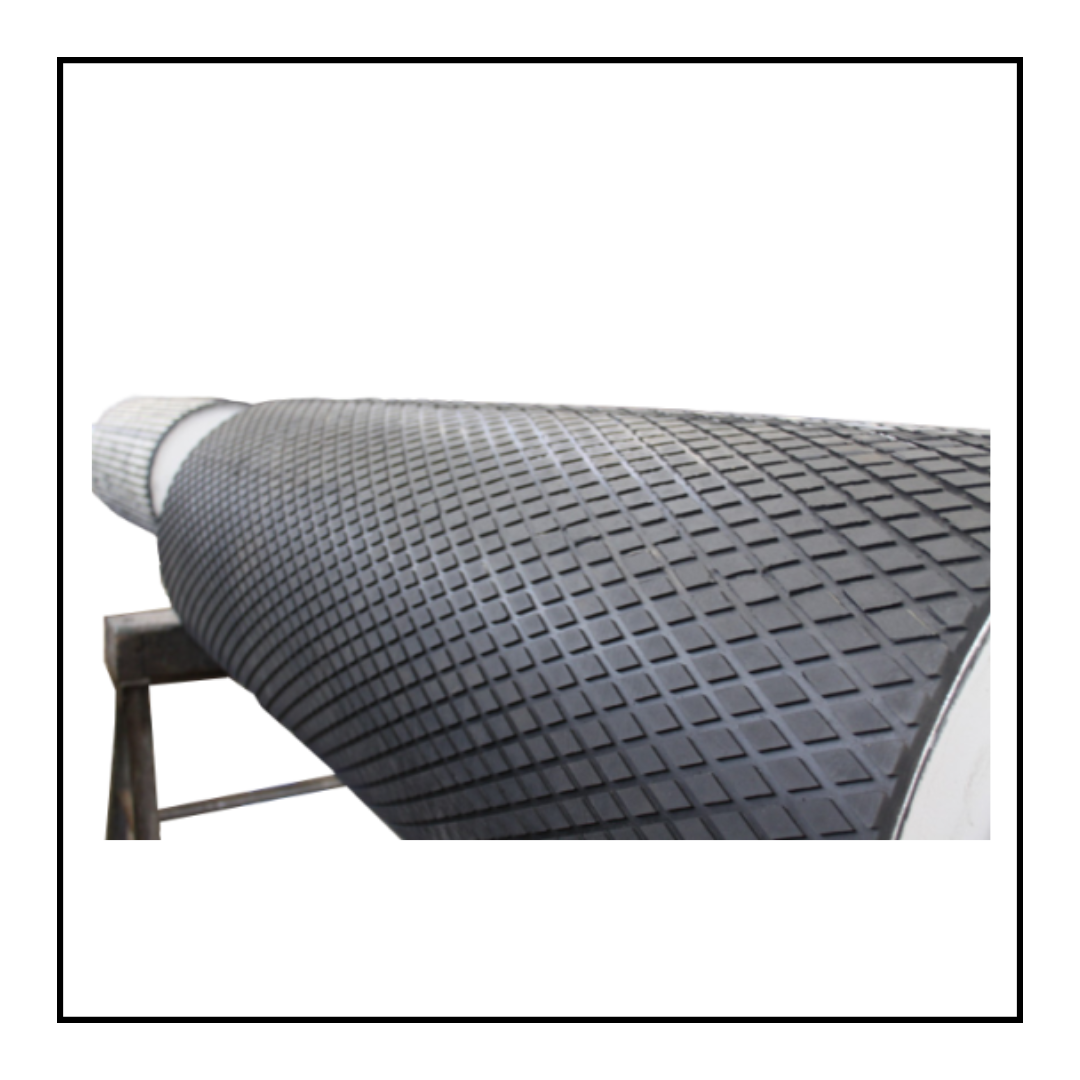
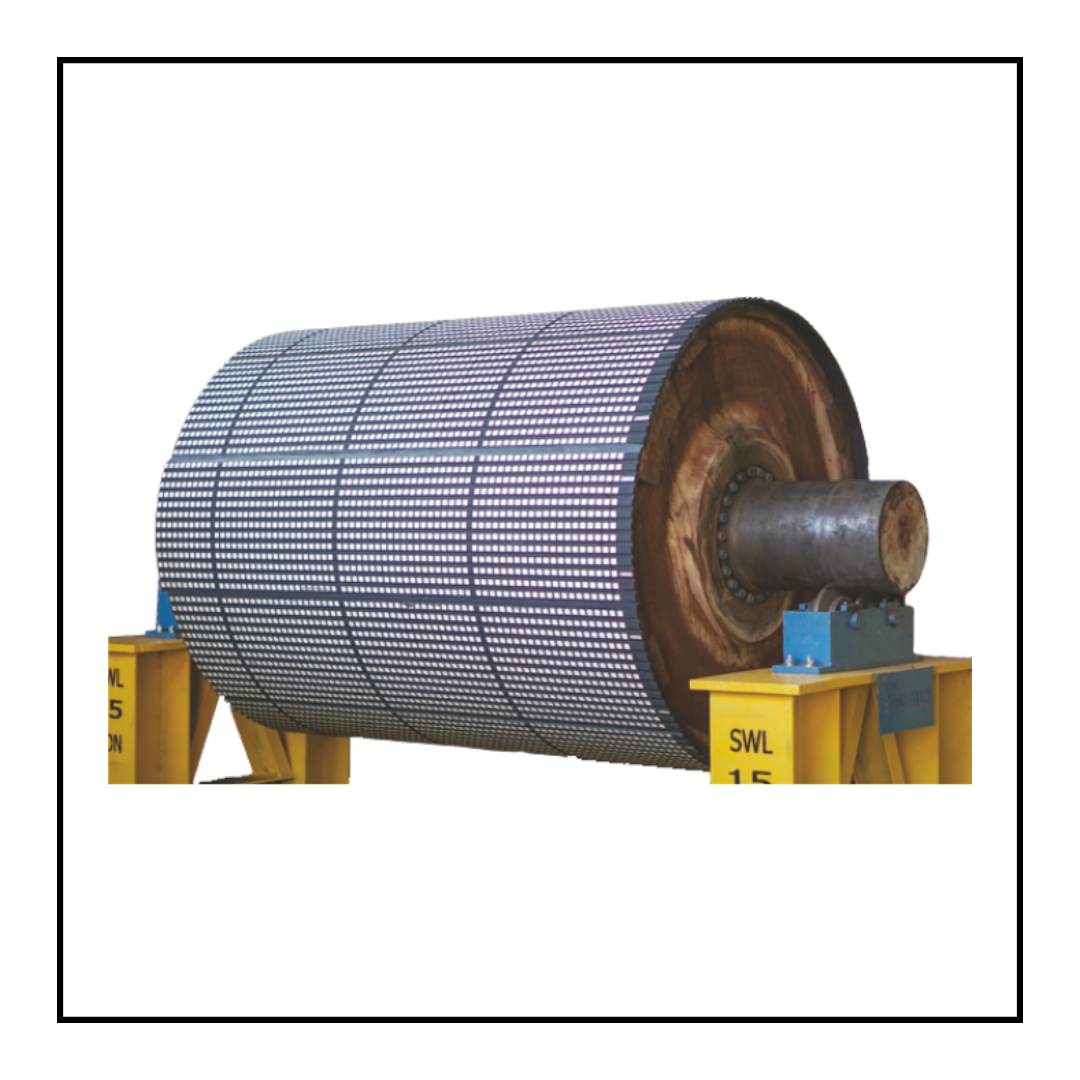
- Rubber and ceramic wear shields
- Impact-dampening bins and chutes
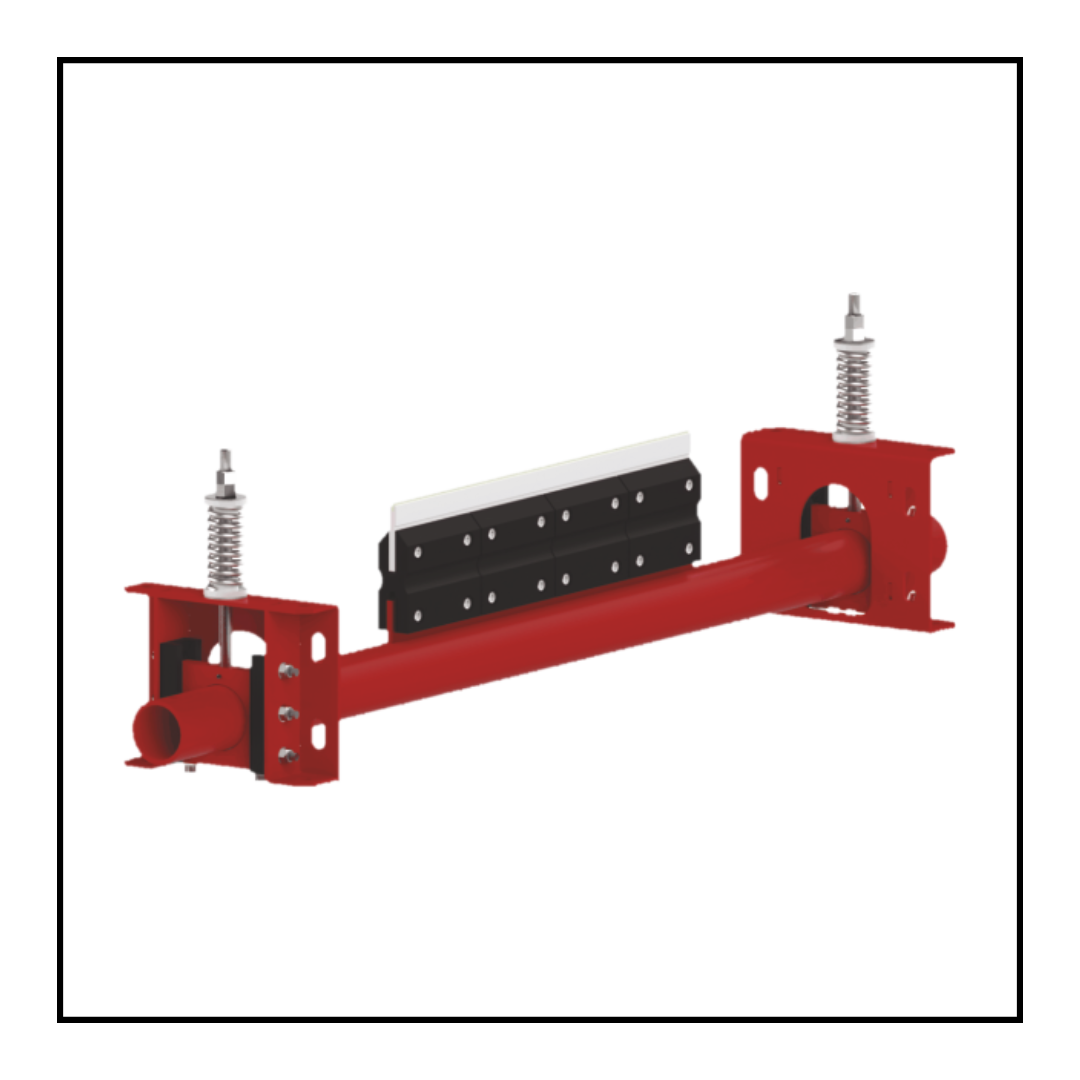
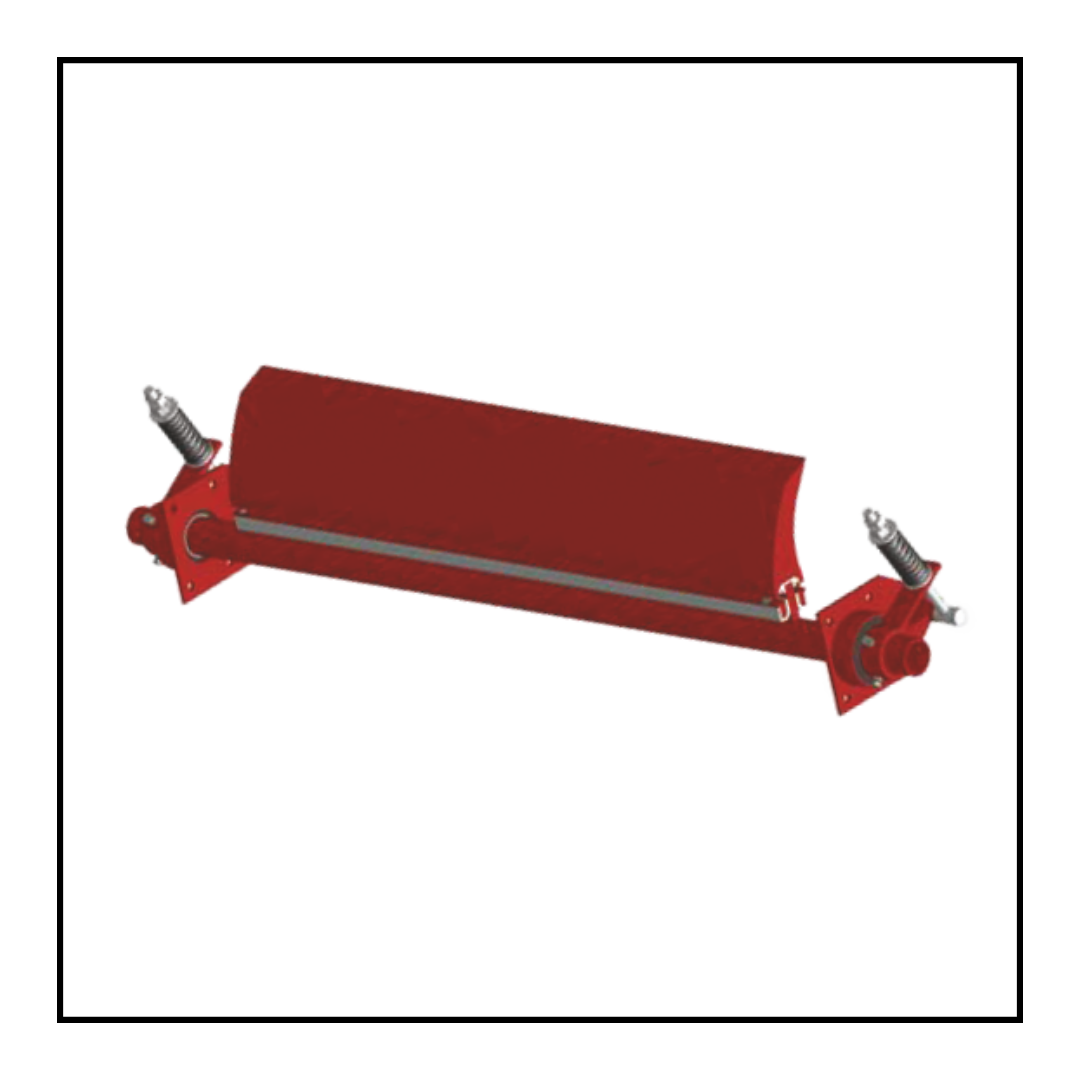
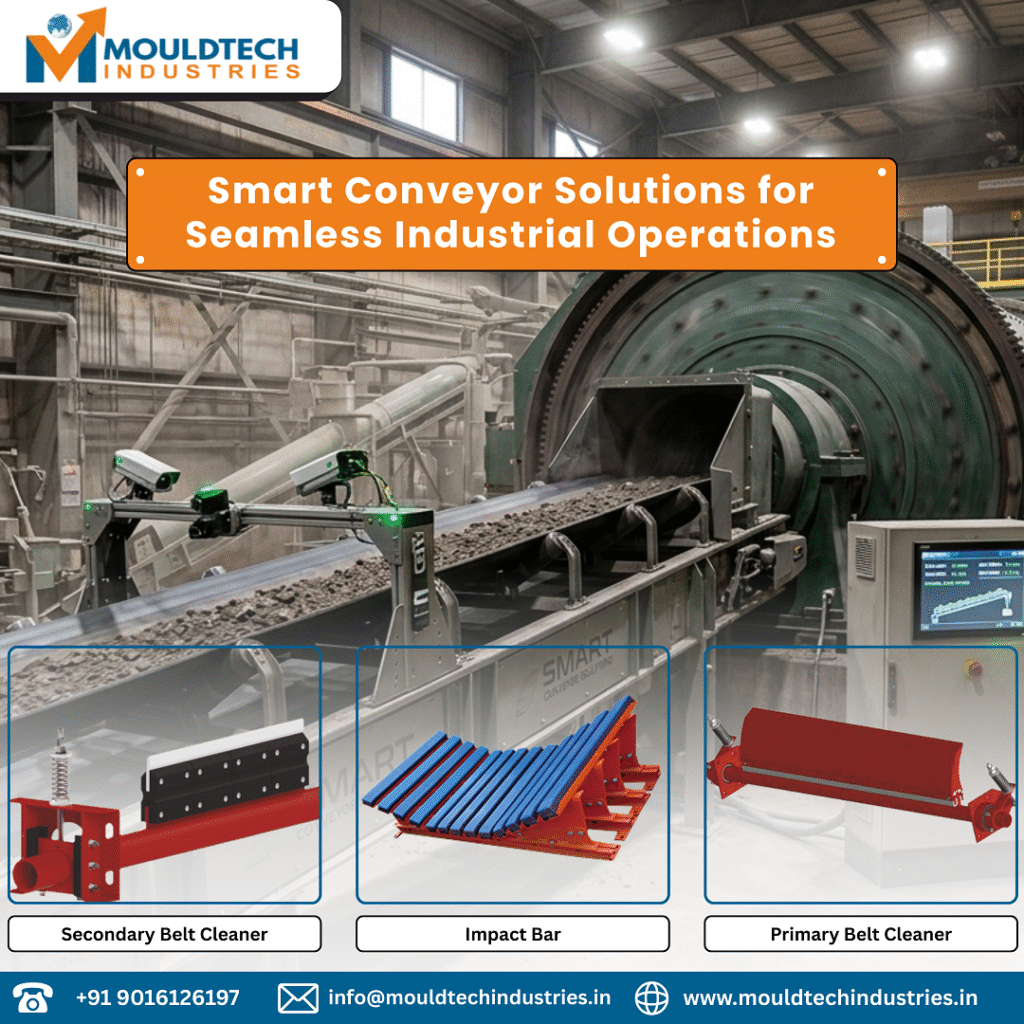
- Belt wipers and sundry conveyor additions
- Bespoke modular arrangements for heavy-duty material handling
In contrast to general-purpose conveyors, engineered conveyor systems are developed to endure abrasive substances, significant impact, and harsh operational settings without negatively affecting material flow or site safety. In mining and metal production activities, these enhancements are crucial for prolonging machinery life and sustaining steady output.
Uses Across Different Sectors
Conveyor systems are not restricted to one industry—they see use across numerous heavy-duty industrial fields:
- Mining: Conveyors in handling extracted ore, moving minerals, and bulk loading tasks confront intense abrasion and impact. Rubber and ceramic shielding diminishes wear on chutes and transition points.
- Cement Works: Moving clinker and transferring raw materials necessitate components resistant to both wear and chemical attack to withstand abrasive dust and chemical exposure.
- Metal & Steel: Steel production facilities, scrap recycling, and ore conveyance benefit from strong impact cushioning and liner setups that prevent machinery fatigue.
- Ceramic Fabrication: Systems feeding kilns and conveyors handling raw materials depend on precisely crafted liners to avoid product taint and minimize wear.
- Power Stations: Systems moving coal and transporting ash experience both abrasive and corrosive conditions, demanding durable remedies.
- Bulk Material Transport: Operations dealing with grain, fertilizer, and minerals need conveyors that balance efficient movement with longevity, cutting down on operational disruptions.
Across these fields, experienced facility engineers acknowledge that custom-fitted conveyor solutions significantly add to operational dependability.
Material Science & Engineering Factors
Effective conveyor solutions depend on material characteristics tuned for specific industrial demands:
- Rubber Qualities: Industrial-grade rubber shields offer high flexibility, shock absorption, and resistance to wear. The selection of the rubber mixture influences its firmness, rate of wear, and heat limits.
- Ceramic Firmness: High-alumina and silicon carbide ceramics provide superior resistance to wear. These substances are excellent for high-impact zones and transferring abrasive materials.
- Wear Resistance Concepts: Grasping the interaction between transported goods and liner surfaces enables engineers to fine-tune thickness, hardness, and the physical shape of the design.
- Impact Cushioning: Rubber-lining assemblies disperse shock energy, reducing strain on conveyor frameworks and subsequent machinery.
Producers with extensive industrial backgrounds understand that selecting the right material blend is vital for achieving steady performance and reducing upkeep needs.
Design & Customization Needs
Conveyor solutions must be adapted to each facility’s specific operational context:
- Machine Compatibility: Systems must align with existing conveyor dimensions, motor specifications, and load capacities.
- Bespoke Sizing: Liners, chutes, and belt elements are frequently made to order for non-standard conveyors or older equipment.
- Application-Specific Design: Mining, cement, and metal processing activities call for different levels of material firmness, impact resilience, and thermal stability. Practiced facility engineers integrate operational understanding into design blueprints.
Manufacturing Excellence & Process Governance
Precise fabrication and strict process management are crucial:
- Exact Manufacturing: CNC cutting, molding, and casting methods ensure components meet precise measurements.
- Quality Vetting: Checking dimensions, measuring hardness, and sampling batches confirm product uniformity.
- Batch Uniformity: Maintaining consistent material qualities across production runs guarantees predictable wear patterns and operational outcomes.
Mounting & Serviceability Factors
Simplicity of assembly and upkeep significantly impacts facility workflows:
- Ease of Setup: Modular parts, pre-drilled mounting points, and standard connection interfaces speed up installation.
- Minimized Downtime: Simplifying the mounting process enables facilities to restart operations sooner.
- Maintenance Intervals: Engineered linings and add-ons are crafted for predictable wear, allowing for scheduled swaps and cutting down on urgent repairs.
Safety & Operational Dependability
Safeguarding personnel and protecting machinery are central to conveyor solution design:
- Personnel Safety: Liners and shock-absorbing surfaces lower the danger of mechanical failures that could endanger staff.
- Machine Defense: Shock-damping and wear-prevention shield conveyor frames, motors, and structural elements.
- Facility Assurance: Long-term operational reliability ensures steady material flow, reducing choke points in production sequences.
Economic Advantage Over Equipment Lifespan
While the initial outlay is important, savings over the long run define the true worth:
- Extended Financial Benefits: Robust materials and optimized designs decrease how often replacements.
- Fewer Stoppages: Predictable wear timelines allow for planned servicing, avoiding expensive unplanned halts.
- Maintenance Optimization: Custom-engineered answers for facility conditions minimize labor and spare part usage throughout the conveyor’s operational life.
Export Readiness & Worldwide Acceptance
Industrial conveyor systems frequently satisfy worldwide demand:
- Export Expectations: Quality, documentation, and adherence to established norms are prerequisites for shipping abroad.
- Documentation & Norms Familiarity: Conformity with ISO, ASTM, and other global industry standards builds buyer trust.
- Global Purchaser Demands: Mineral extraction and metal processing operations globally anticipate sturdy, verified solutions capable of operating in varied environmental settings.
Why are Experienced Fabricators Key?
Selecting a provider with design skills and sector familiarity ensures operational success:
- Design Proficiency: Manufacturers grasp facility-level hurdles and can devise practical remedies.
- Sectorial Insight: Knowledge of industry-specific degradation, impact, and chemical reaction patterns guides material choice and design.
- Dependable Supply: Timely delivery and consistent quality are vital for large-scale industrial undertakings.
About Mouldtech Industries
Mouldtech Industries holds a long-standing reputation in India for delivering premium conveyor solutions, rubber lining assemblies, ceramic wear defense products, and bulk material management systems. Serving both Indian industrial centers—from mineral hubs in Jharkhand, Odisha, and Chhattisgarh to cement regions in Rajasthan and Gujarat—as well as global industrial markets, Mouldtech joins engineering exactness with practical facility know-how. Their solutions are developed with operational certainty, safety, and material endurance in mind. For further details, visit https://www.mouldtechindustries.in/.
In Closing:
In operations involving mining, metal refinement, cement production, ceramics, and handling bulk materials, conveyor systems are far more than secondary parts—they are crucial for facility productivity, equipment lifespan, and workplace safety. Engineered rubber and ceramic shields, belt accessories, and tailored systems assist facilities in minimizing downtime, maximizing maintenance efforts, and safeguarding both staff and machinery. Manufacturers with proven history, such as Mouldtech Industries, guarantee these solutions are both technically precise and reliably functional.
Key Takeaways
- Conveyor solutions provide superior wear protection and impact absorption.
- Engineers enhance operational reliability through engineered design and materials.
- Suitable across mining, cement, metal, ceramic, and bulk material industries.
- Long-term performance reduces maintenance cycles and unplanned downtime.
- Globally relevant for industrial operations requiring consistent material handling solutions.
FAQS
1. What is the typical lifespan of conveyor solutions?
- Depending on material choice and operational conditions, rubber and ceramic liners can last several years under heavy-duty industrial use.
2. Which industries benefit most from these solutions?
- Mining, metal and steel, cement, ceramic, power, and bulk material handling operations derive significant operational advantages.
3. How often should conveyor liners be maintained?
- Experienced plant engineers recommend scheduled inspections every 3–6 months, with replacement based on wear thresholds.
4. When should I choose rubber vs. ceramic wear solutions?
- Rubber suits high-impact, moderate-abrasion applications, while ceramic suits high-abrasion, high-temperature environments.
5. Are these solutions used globally?
- Yes, heavy-duty industrial operations worldwide, from mining in South Africa to metal processing in Europe, rely on similar engineered conveyor solutions.
#BallMillRubberLiner #CeramicWearProtection #RubberLining #MiningSolutions #BulkMaterialHandling #ConveyorSolutions #MouldtechIndustries #WearProtectionLine #IndustrialManufacturing