

Superior Wear Resistance For Industrial Equipment: A Complete Manufacturing Guide
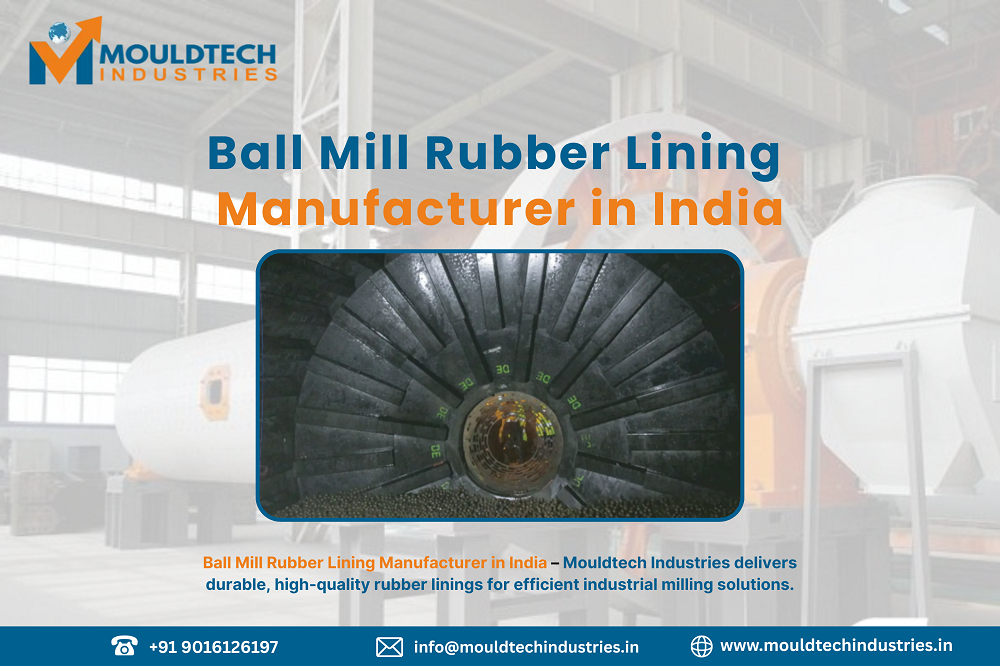
When a ball mill grinds to a sudden halt in a cement plant on the outskirts of Ahmedabad, it isn’t just about lost production—it’s about cascading losses. Maintenance crews scramble. Delivery schedules slip. Suddenly, the thin margins evaporate. After 15 years working across India’s mining and cement sectors, I’ve seen firsthand how the wrong rubber liner choice costs plant managers far more than just replacement expenses. The real cost is downtime, noise pollution that violates norms, and liners that need replacing every few months instead of years. That’s where wear resistant rubber liners step in. Superior wear resistance for industrial equipment isn’t a luxury; it’s an economic necessity for any serious operation running ball mills, pan mills, or heavy grinding vessels.
Why Choose Mouldtech Industries for Superior Wear Resistance For Industrial Equipment?
Mouldtech Industries, established in 2007, has spent nearly two decades perfecting the science of wear protection for heavy industrial equipment. Based in Vadodara, Gujarat, the company has built a reputation by solving real problems for plant managers across India—from Mumbai to Kolkata, from Bangalore to Chandigarh.
Here’s what sets the approach apart: Instead of selling off-the-shelf liners, Mouldtech Industries engineers custom rubber solutions that match each client’s specific mill specifications. A cement mill running at different RPMs than a mining operation requires different hardness, different thickness, and different compound formulations. One-size-fits-all doesn’t work. That’s why over 200+ clients across mining, cement, and heavy industries trust this team.
The company holds ISO 9001:2015 certification—not as a marketing badge, but as a reflection of documented quality control at every manufacturing step. When plant managers in regulated sectors like cement need to audit their suppliers, they know the standards are met.
Our Superior Wear Resistance For Industrial Equipment: Manufacturing Capabilities
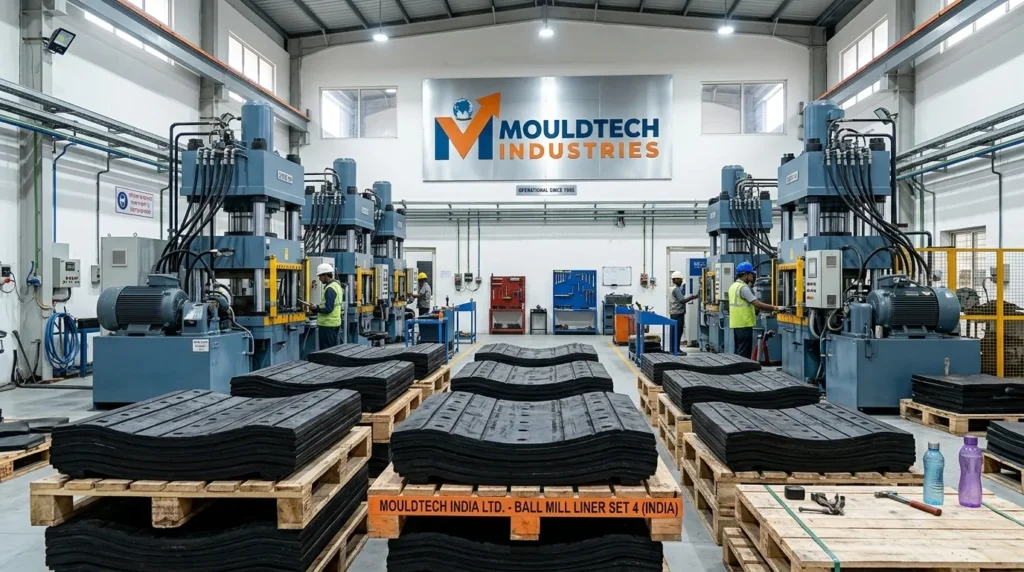
Walking into a modern rubber manufacturing facility reveals a different world than most expect. It’s not crude or outdated—it’s precision engineering with rubber as the material.
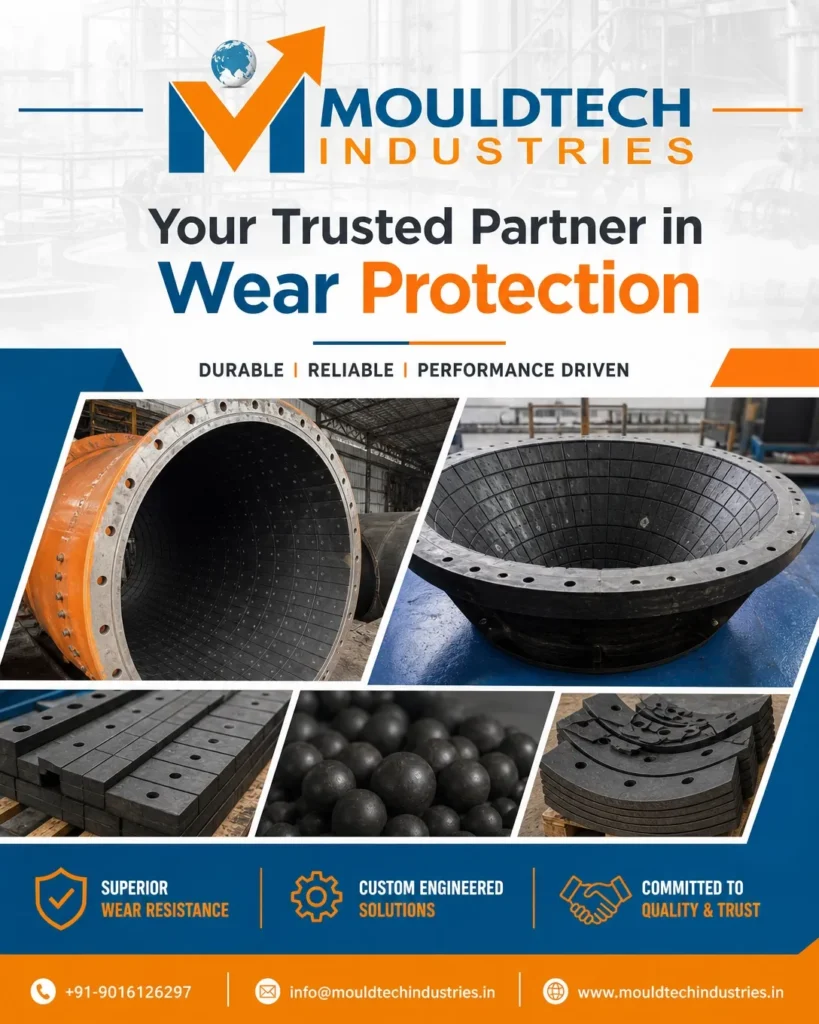
Mouldtech Industries manufactures several specialized categories of wear-resistant solutions:
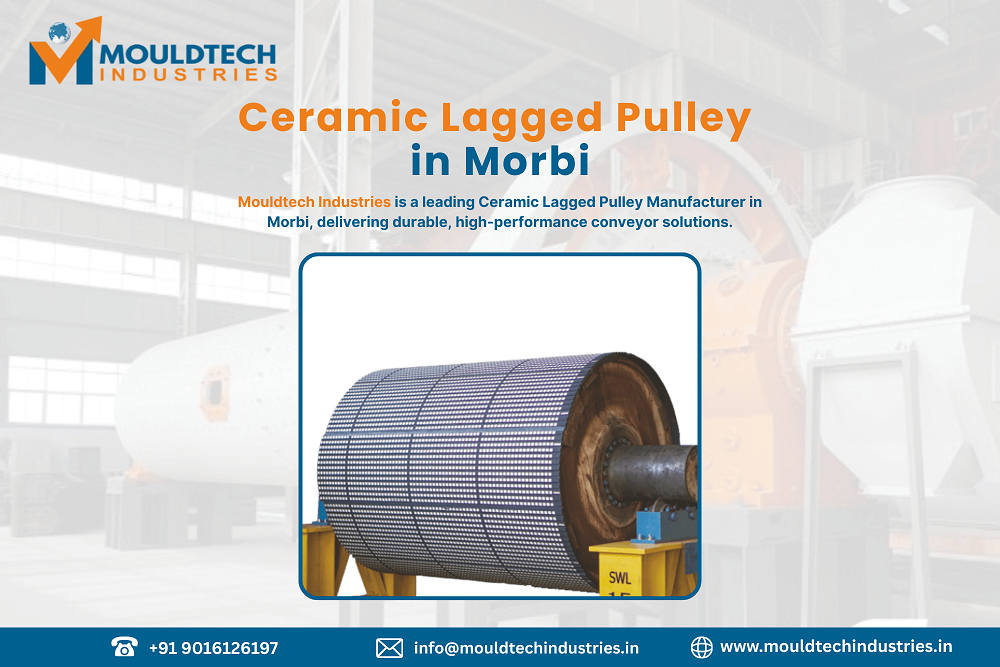
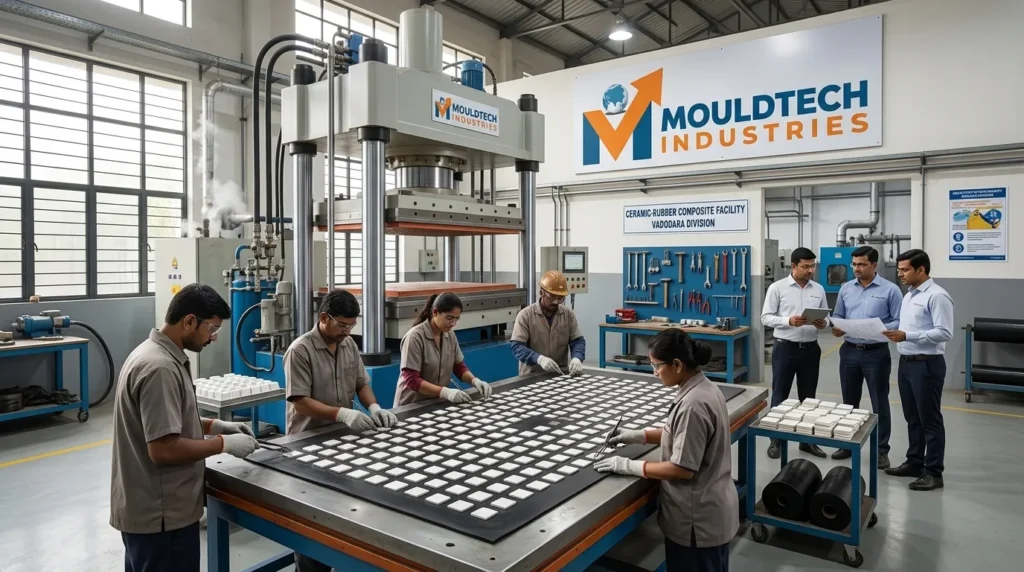
Ceramic-Embedded Rubber Liners represent the pinnacle of wear resistance. Tiny ceramic particles are embedded into the rubber matrix, creating a composite that resists abrasion far longer than plain rubber. Watch a cement mill run with ceramic-embedded liners versus standard ones, and the difference in noise alone tells the story—up to 70% noise reduction is achievable.
Abrasion-Resistant Rubber Liners suit operations where the grinding media (balls or bars) and material are less aggressive. These maintain structural integrity through thousands of grinding cycles, reducing the frequency of maintenance interruptions.
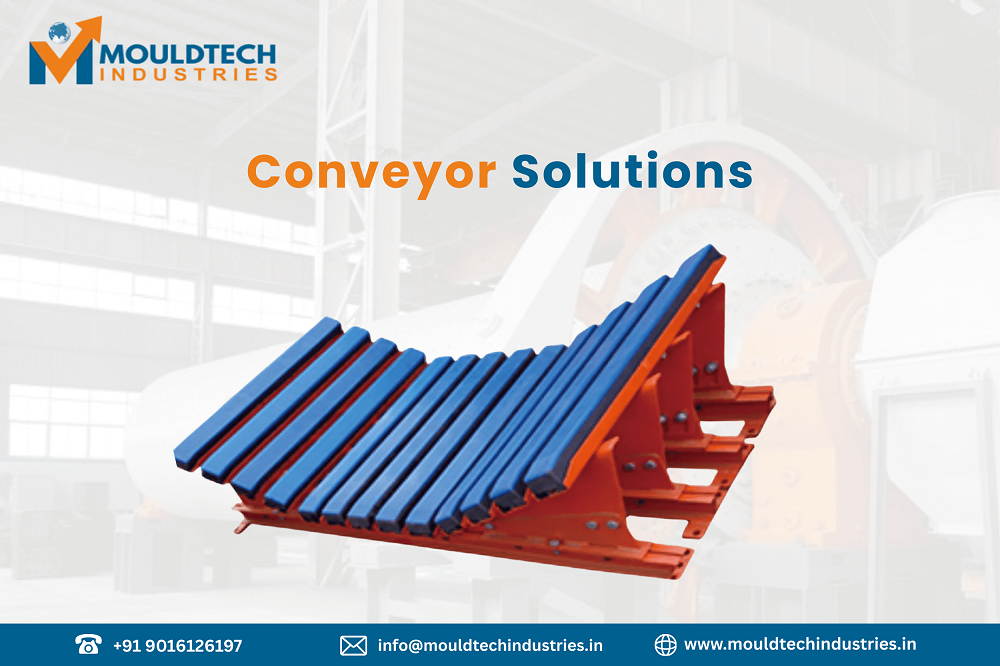
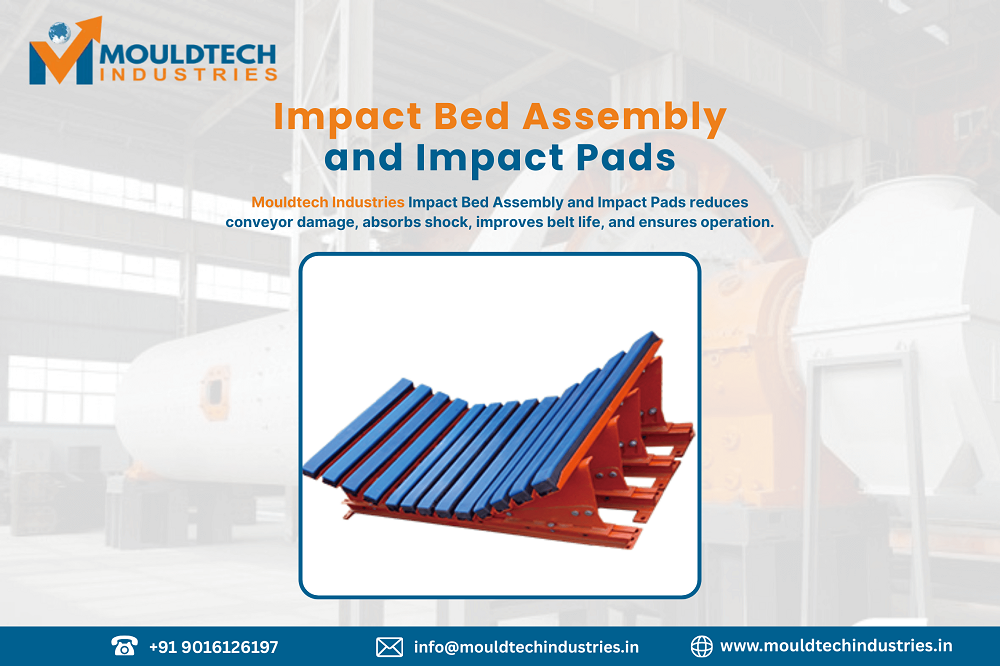
Impact Pads handle the discrete shock loads common in jaw crushers and vibrating equipment. Unlike liners that spread forces across surfaces, pads concentrate durability where impact concentration occurs.
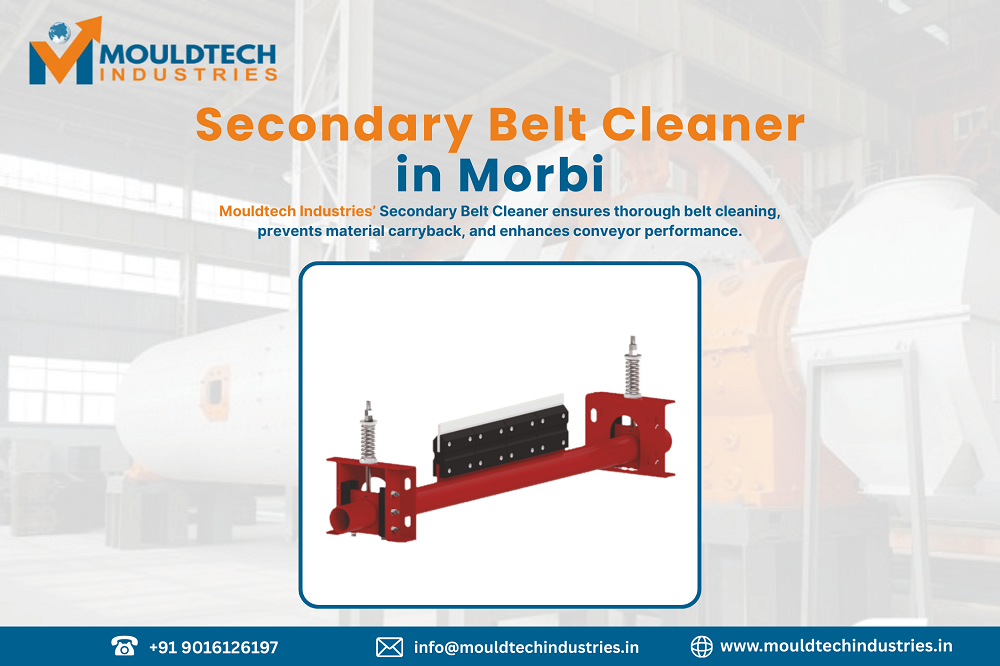
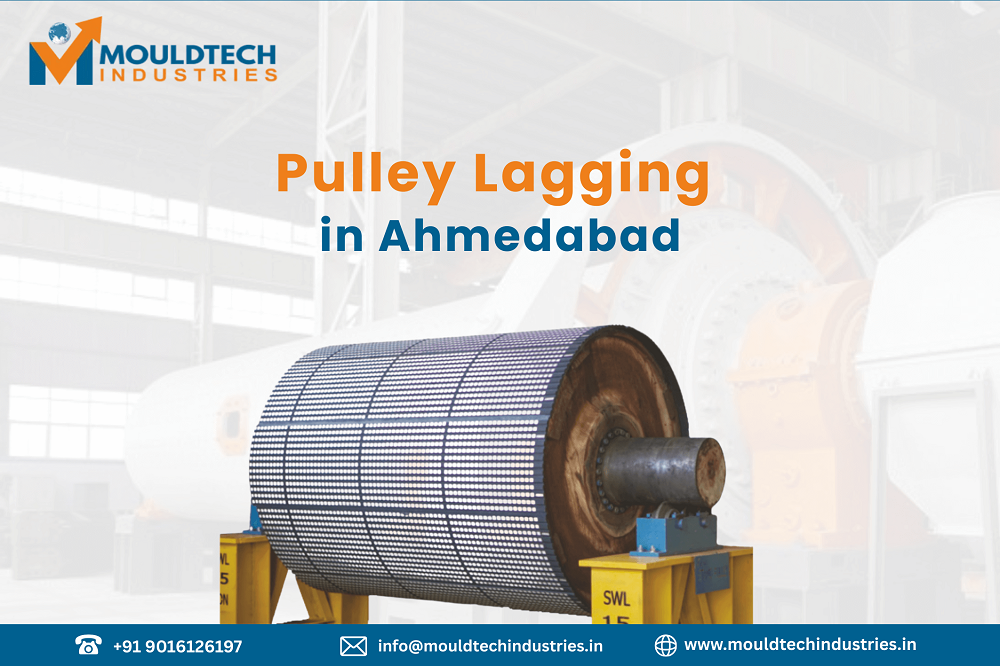
Conveyor Belt Cleaners and Rubber Lagging Sheets address secondary but critical equipment in the grinding circuit. A dirty conveyor belt becomes a source of material loss and carries contamination back into the process. Proper lagging sheets ensure drum grip and prevent slippage.
The key difference: Each product is manufactured to your mill’s exact specifications—thickness, hardness (Shore A hardness between 60–90 depending on application), and compound formulation. This level of customization is why abrasion-resistant liners from Mouldtech Industries outlast generic alternatives by 2–3 times.
Navigating Quality Standards & ISO 9001:2015 Certification
Plant managers often ask: “What does ISO 9001:2015 actually mean for my rubber liners?”
Simply put, it means every liner manufactured undergoes documented inspection. Material sourcing is traced. Batch formulations are recorded. Dimensional tolerances are checked. Hardness testing is logged. When a liner fails prematurely in 18 months instead of lasting three years, there’s a record trail to investigate root cause.
In regulated industries—particularly cement production in Delhi, Hyderabad, and Bangalore—environmental compliance audits require suppliers with formal quality certifications. ISO 9001:2015 isn’t just comfort; it’s sometimes a contractual requirement.
Mouldtech Industries maintains this standard precisely because plant managers need suppliers they can defend to regulators and auditors.
India Mining & Cement Production Statistics – Government Portal
Local Manufacturers vs Mouldtech Industries: Comparison Table
| Criteria | Typical Local Manufacturer | Mouldtech Industries |
|---|---|---|
| Experience | 3–8 years | 18+ years (established 2007) |
| Customization Capability | Limited to stock formulations | Full custom design per mill specs |
| Quality Certification | Rarely documented | ISO 9001:2015 certified |
| Ceramic-Embedded Options | Not available | Available with 70% noise reduction |
| Liner Life Expected | 8–14 months | 24–36 months (2–3x longer) |
| Noise Reduction | Minimal | Up to 70% reduction confirmed |
| Pan-India Delivery | Limited to local region | Pan-India + export ready |
| Technical Support | Basic | Expert consultation + site support |
Step-by-Step Process: How We Deliver Superior Wear Resistance For Industrial Equipment
Step 1: Mill Specification Review
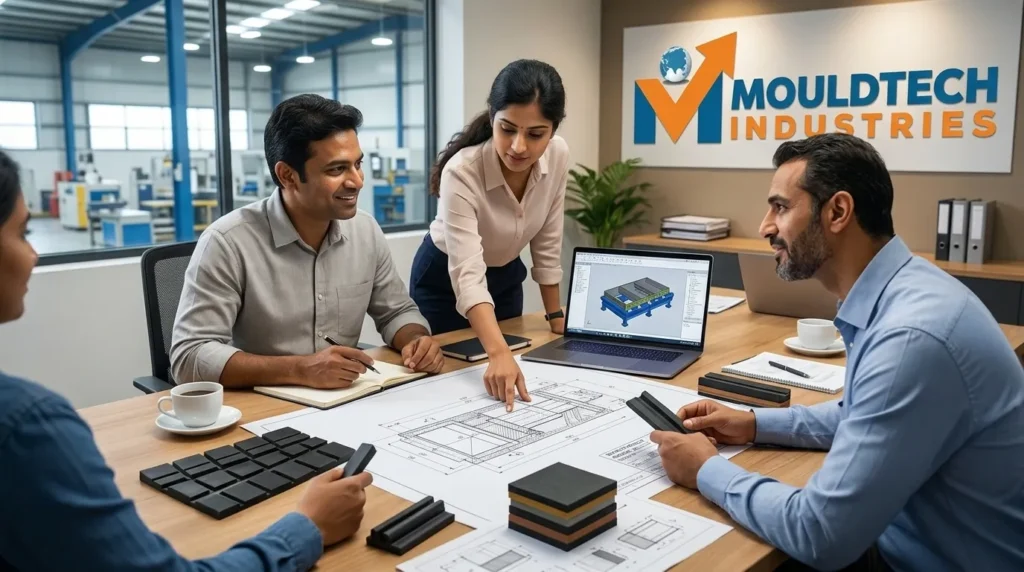
It begins with understanding your specific operation. What’s the mill diameter? What’s the operational RPM? What material are you grinding (ore, cement clinker, gypsum)? What’s your current liner replacement cycle? This isn’t a checklist exercise—it’s a technical conversation between experts.
Step 2: Compound Formulation & Material Selection
Based on grinding intensity and abrasive load, the engineering team selects the appropriate rubber compound. Softer compounds (Shore 60–70) suit less aggressive applications but wear faster. Harder compounds (Shore 80–90) resist abrasion better but may increase fragility. The sweet spot depends on your unique scenario.
Step 3: Prototype Testing & Approval
Before full manufacturing, a trial batch is produced and submitted for inspection. Many clients request a physical sample to inspect hardness, flexibility, and finish quality.
Step 4: Production & Quality Checks
Once approved, manufacturing begins with sourcing raw rubber (high-grade natural and synthetic blends), mixing and vulcanizing, and precision molding to your exact dimensions. Every batch is hardness-tested and dimensionally verified.
Step 5: Delivery & Installation Support
The company arranges logistics to your site and provides installation guidance. Unlike buying generic liners, custom solutions sometimes require specific installation techniques for optimal performance.
Real Client Case Study: A Cement Mill in Surat
One of the most instructive client stories involves a mid-sized cement mill in Surat, Gujarat, producing roughly 500 tons daily. The plant manager had replaced ball mill rubber liners every nine months—a costly cycle affecting margins significantly.
The old approach: Buy the cheapest standard liners available, install them, run until they wore thin, replace. No customization. No quality control beyond eyeballing thickness.
When the plant switched to custom rubber liners from Mouldtech Industries, the process changed:
- A site visit revealed the mill was running at higher-than-typical abrasion conditions due to excessive iron content in the raw material.
- Custom ceramic-embedded liners were designed with Shore 85 hardness instead of standard Shore 70.
- Installation was supervised to ensure proper fit and seating.
Results within 12 months:
- Liner replacement cycle extended from 9 months to 26 months (nearly 3x improvement).
- Grinding efficiency improved—consistent particle size due to better liner profile retention.
- Noise levels dropped by approximately 65%, improving the work environment and reducing potential regulatory violations.
- Annual maintenance cost for liners fell by 58% despite higher per-unit cost of custom liners.
The broader lesson: Superior wear resistance isn’t about buying the hardest rubber; it’s about matching the solution to your operational reality. That’s the difference between commodity suppliers and rubber liner manufacturers in Vadodara who invest in engineering expertise.
Real Industry Challenge: How Superior Wear Resistance Solves Downtime
A mining operation in Jaipur grinding iron ore faced monthly, sometimes weekly, liner failures. Each failure meant:
- 6–12 hours shutdown while old liners are removed and new ones installed.
- Loss of 15–20 tons of production per stoppage.
- Workers exposed to inconsistent safety conditions during emergency replacements.
After switching to wear-resistant rubber liners designed for high-impact iron ore grinding, the company achieved 18-month liner life instead of the previous 3–4 months. Unscheduled downtime dropped dramatically. More importantly, the operation became predictable—maintenance could be planned during scheduled shutdowns rather than reacting to surprises.
ISO 9001:2015 Quality Management System Standards (Official ISO Reference)
Faqs
1. Wear Protection Solutions kya hote hain aur industries ko inki zarurat kyun padti hai?
- Wear Protection Solutions industrial equipment ko abrasion, impact aur material wear se bachate hain. Yeh downtime kam karte hain, maintenance costs reduce karte hain aur machinery ki lifespan badhate hain.
2. Rubber Liners industrial equipment ki life kaise badhate hain?
- Rubber Liners high-impact aur abrasive materials ke direct contact ko absorb karte hain, jisse equipment wear kam hota hai aur operational efficiency improve hoti hai.
3. Mining aur Cement Industries ke liye best wear protection solution kaunsa hai?
- Mining aur Cement Plants ke liye Rubber Liners, Mill Liners aur Wear Resistant Components sabse effective solutions maane jaate hain kyunki yeh harsh operating conditions ko handle karte hain.
4. Industrial wear resistance solutions maintenance costs kaise reduce karte hain?
- High-quality wear resistant products equipment failures ko kam karte hain, replacement frequency reduce karte hain aur unplanned shutdowns se bachate hain.
5. Custom Engineered Rubber Liners standard liners se better kyun hote hain?
- Custom Engineered Rubber Liners equipment ke exact dimensions aur operating conditions ke hisaab se design kiye jaate hain, jisse better fit, longer life aur higher performance milti hai.
6. Mouldtech Industries ko wear protection solutions ke liye kyun choose karein?
- Mouldtech Industries durable, reliable aur performance-driven wear protection solutions provide karta hai jo Mining, Cement, Mineral Processing aur Industrial Applications ke liye specially engineered hote hain.
7. India mein best wear protection manufacturer kaise select karein?
- Manufacturer select karte waqt product quality, customization capabilities, industry experience, material durability aur after-sales support jaise factors ko evaluate karna chahiye.