

Skirt Rubber Manufacturer, Supplier, And Exporter in India: Mouldtech Industries
Mouldtech Industries is a Manufacturer of Skirt Rubber in Ahmedabad.
Our Manufacturing Unit is in Vadodara, Gujarat, India.
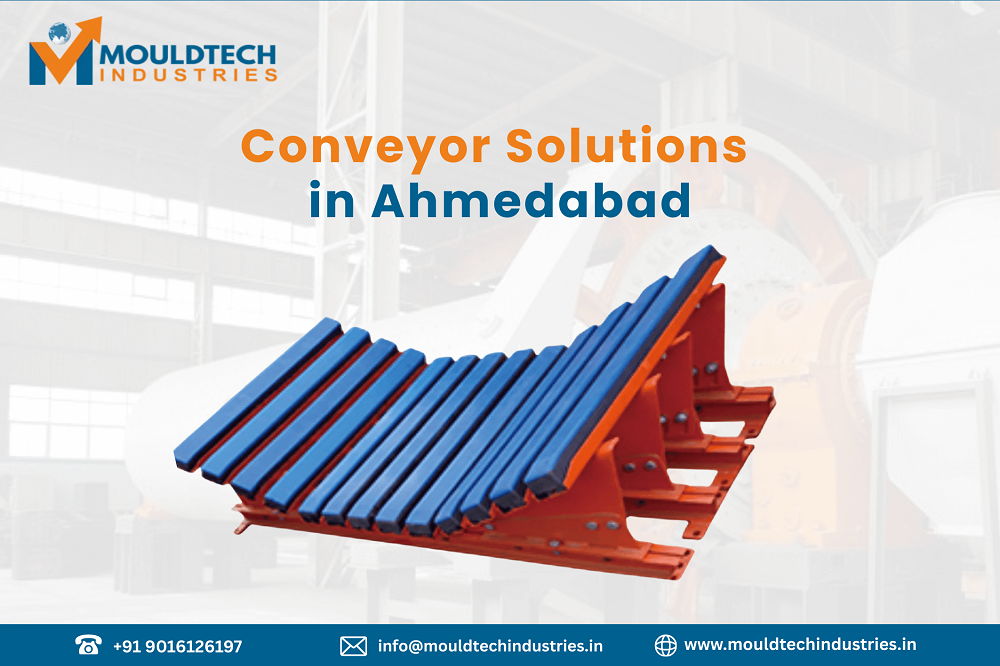
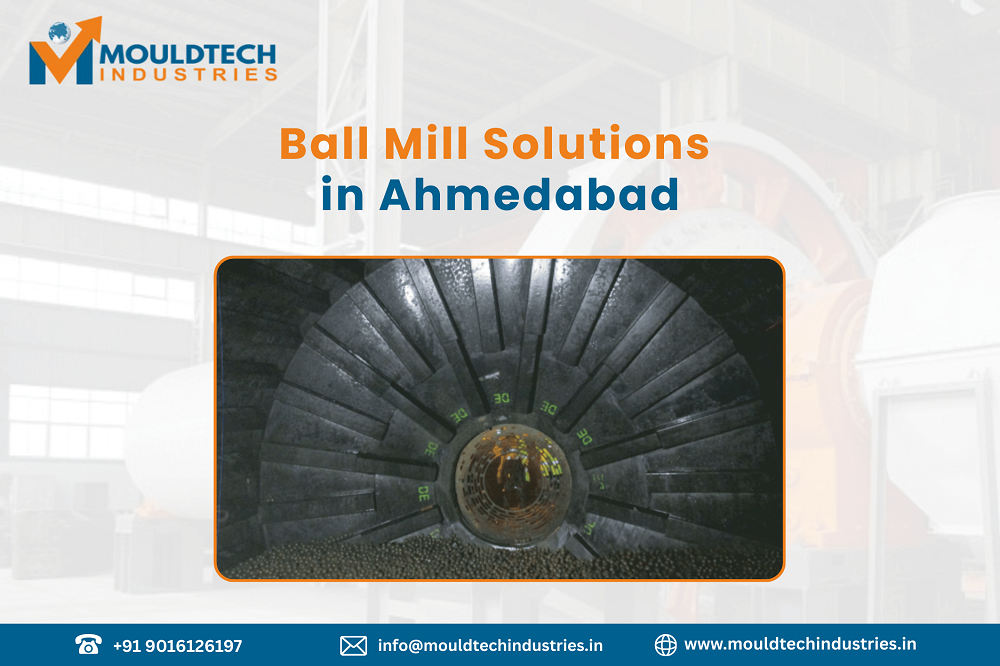
Mouldtech Industries is a Manufacturer of Bridge Rubber Pad, Ball Mill Rubber Lining, Bridge Rubber Pad, Resistant Rubber Liner, Embedded Rubber Liners, Conveyors Solutions, Ceramic Lagging Sheet, Belt Cleaners, Bridge Rubber Pad, Ceramic Rubber Lagging Services, and Ceramic Rubber Lagging Sheet.
Skirt Rubber: Industrial Solutions for Mitigating Wear and Ensuring Equipment Uptime
Within demanding industrial settings, machinery is constantly subjected to abrasive substances, forceful impacts, and corrosive agents. Sectors such as mining, metal refining, cement production, ceramic fabrication, and bulk material conveyance operate under conditions that continually challenge operational efficiency and asset lifespan. Unexpected stoppages, maintenance costs, and machinery breakdowns directly affect output and financial performance.
Safeguarding against wear and maintaining dependable machine function are now essential for industrial competitiveness. Among crucial protective measures, Skirt Rubber has become a key element for lessening abrasion, cushioning shocks, and extending asset service life. Producers with deep industry backgrounds recognize that careful material selection and thoughtful design can markedly reduce operational hazards, positioning items like Skirt Rubber as fundamental to contemporary plant operations.
Worldwide industrial movements show an increasing need for superior wear-defense systems, notably in mining centers across Australia, South Africa, and Canada; ceramic hubs in India’s Gujarat and Rajasthan; steelmaking areas in India, China, and across Europe; and bulk material-handling projects globally. Industrial markets in India—spanning Gujarat and Maharashtra through to Tamil Nadu, Karnataka, Odisha, West Bengal, and Uttar Pradesh—rely heavily on robust solutions to sustain continuous output.
Industrial Hurdles Driving the Need for Skirt Rubber
In rigorous industrial surroundings, facility managers frequently observe that material erosion, physical impact, and chemical degradation are primary causes of equipment failure. The issues spurring demand for Skirt Rubber include:
Abrasion
In mining, metalworking, and cement facilities, heaps of raw materials like ore, clinker, or fine powders create continuous friction on equipment exteriors. Repeated rubbing leads to thinner protective layers, compromised structural integrity, and ultimately, equipment failure. Skirt Rubber acts as a protective shield, reducing friction and extending component longevity.
Impact Loads
Machinery such as belt systems, grinding mills, and transfer chutes is hit by sudden, intense forces from falling or moving materials. In metal and steel fabrication, heavy metal plates or chunks of ore can damage unprotected surfaces. The shock-dampening qualities of Skirt Rubber lessen impact stresses, preventing surface distortion and fractures.
Corrosion
In cement manufacturing or in chemically active zones, equipment is exposed to moisture, acids, or alkaline substances that degrade metal. Rubber’s resistance to chemicals helps guard underlying structures, minimizing the prospect of long-term chemical deterioration.
Stoppages and Maintenance Expenses
Seasoned facility staff often point out that even minor wear-related damage can trigger extended periods of inactivity. Fixing or swapping out equipment sections disrupts production schedules and raises operational outlays. Well-conceived Skirt Rubber systems reduce the frequency of servicing interventions and enhance facility dependability.
Global Industrial Settings
Factory processes in Europe, the US, and Southeast Asia face comparable wear-and-tear and maintenance challenges. Manufacturing solutions must account for abrasive, high-impact, and corrosive conditions—making materials like Skirt Rubber a worldwide requisite.
What Constitutes Skirt Rubber?
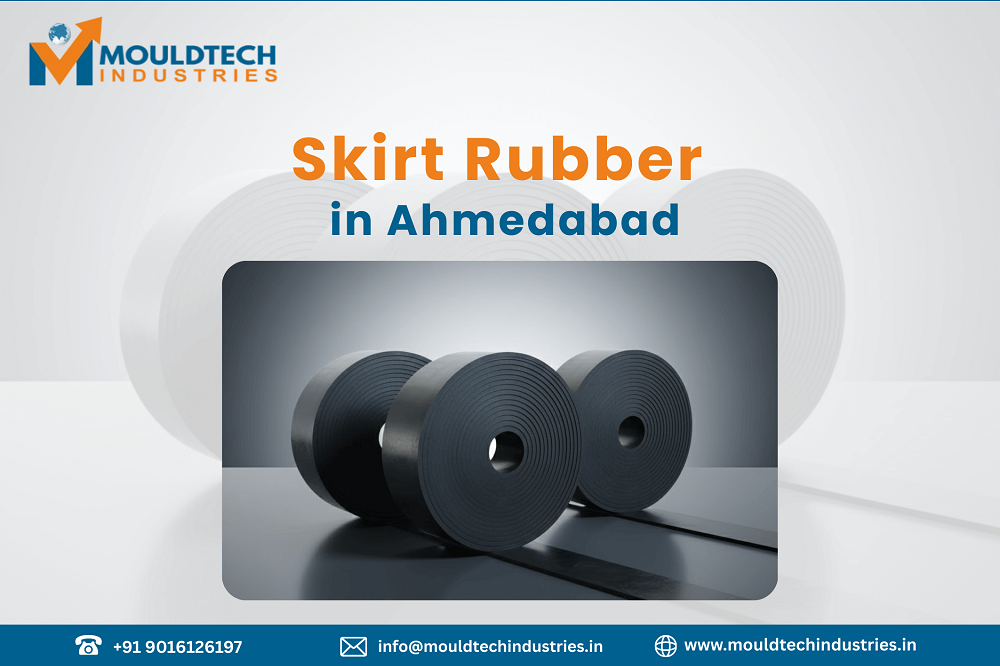
Skirt Rubber is a specifically developed rubber component designed to protect industrial machinery from wear, impact, and chemical attack. It is commonly utilized as a lining or protective barrier on equipment such as conveyors, ball mills, feeders, and chutes. Its primary role is to absorb mechanical stress while minimizing material erosion on equipment surfaces.
Unlike conventional rubber, Skirt Rubber is compounded with high-grade elastomers that integrate flexibility, chemical inertness, and abrasion tolerance. In mining and metal-refining activities, these liners serve as the primary defense against abrasive ores, clinker, and bulk commodities.
Utilization Across Diverse Sectors
Skirt Rubber is adaptable and employed across various heavy-duty industrial fields:
- Mining: In mineral extraction and processing, Skirt Rubber is fitted to ball mills, chutes, and feeders to reduce wear from abrasive rock and high-force loading. It improves operational stability and cuts short unforeseen maintenance halts.
- Cement Facilities: Clinker transfer and grinding processes create considerable wear and airborne dust. Skirt Rubber liners protect conveyors, mills, and storage bins, cushioning both impact and friction while extending service intervals.
- Metal & Steel Sector: Ball mills, conveyors, and feeders in steel mills handle weighty metallic ores, scrap, and residues. Skirt Rubber helps prevent equipment damage and reduces downtime during peak output periods.
- Ceramics Manufacturing: Ceramic processing centers in Gujarat, Rajasthan, and Tamil Nadu handle fine powders that abrade equipment surfaces. Rubber linings lessen wear in ball mills, blenders, and transfer chutes.
- Power Stations & Bulk Material Handling: Coal-powered plants, biomass installations, and extensive bulk material conveyance networks depend on Skirt Rubber to protect conveyors, hoppers, and chutes. The lining ensures smooth material transport, prevents spills, and lowers facility upkeep.
Material Science & Engineering Criteria
Rubber and ceramic wear defense systems are engineered with close attention to material characteristics. Skirt Rubber capitalizes on these concepts:
- Rubber Attributes: Superior elastomers used in Skirt Rubber offer excellent pliability, tensile strength, and shock absorption. The material withstands repeated loading and resists splitting, even amid wide temperature swings.
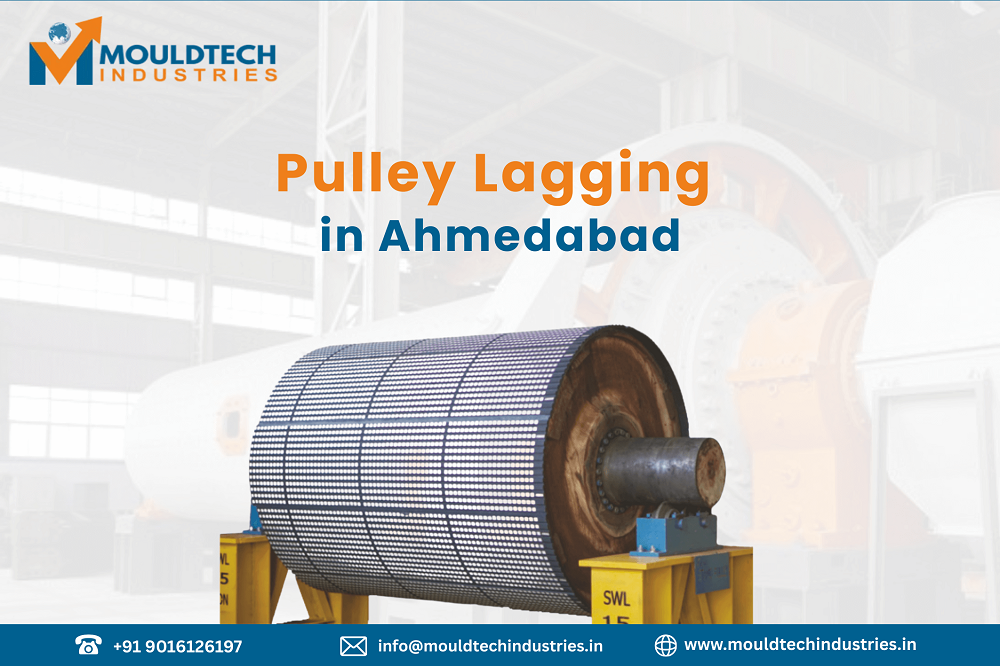
- Ceramic Hardness: In combined systems, ceramic wear plates might be integrated into rubber linings to boost surface rigidity. This fusion delivers excellent friction resistance while maintaining energy-absorption capabilities.
- Wear Resistance Principles: Skirt Rubber is formulated to withstand sliding, impact, and compressive wear. Its composition balances elasticity and toughness to protect machinery exteriors while minimizing material deterioration.
- Impact Damping: The inherent flexibility of rubber allows it to absorb kinetic energy from heavy loads, reducing strain on the underlying apparatus and preventing structural damage.
Design & Customization Needs
Facility engineers must weigh several aspects when specifying Skirt Rubber:
- Equipment Suitability: Bespoke contours and thicknesses are tailored to fit particular machinery models.
- Precise Sizing: Accurate measurements ensure a perfect fit, precluding voids that could accelerate wear.
- Application-Specific Engineering: Rubber firmness, compound selection, and embedded ceramic patterns are customized for the operational setting.
Experienced plant professionals stress that poorly conceived liners can result in increased downtime rather than providing protection.
Manufacturing Excellence & Process Regulation
Precision in production guarantees the consistent functioning of Skirt Rubber:
- Exact Manufacturing: We fabricate components to strict dimensions, ensuring uniform thickness and proper seating.
- Quality Vetting: Every production run undergoes thorough examination for durometer, tensile performance, and chemical stability.
- Batch Uniformity: Standardized production methods ensure consistent performance across numerous installations.
Producers with extensive industry tenure know that slight quality departures can significantly shorten machine lifespan.
Fitting & Upkeep Protocols
Correct installation and regular care are vital to maximizing the advantages of Skirt Rubber:
- Simple Setup: Modular construction reduces installation time and allows exchanges without major equipment deconstruction.
- Minimized Downtime: Swift assembly reduces production disruptions.
- Maintenance Intervals: Routine checks confirm wear levels remain acceptable, averting sudden equipment failure.
Seasoned facility managers often observe that proactive upkeep guided by liner condition assessments substantially boosts operational reliability.
Safety & Operational Dependability
Effective wear defense directly ensures personnel safety and maintains facility dependability.
- Worker Security: Shielding equipment surfaces reduces the risk of material spillage, lowering staff hazards.
- Equipment Safeguarding: Skirt Rubber absorbs force and prevents structural damage to valuable industrial machinery.
- Facility Uptime: Consistent performance decreases unscheduled outages, ensuring smooth production timelines.
Economic Effectiveness Across the Asset Lifespan
While Skirt Rubber represents an initial outlay, it yields economic advantages throughout the equipment’s service life:
- Long-Term Savings: Reduced wear lessens the requirement for frequent component replacement.
- Fewer Stoppages: Limiting unscheduled downtime maintains steady output.
- Maintenance Streamlining: Predictable service cycles allow for better scheduling and resource deployment.
In mining and metal processing, the cumulative savings from reduced maintenance and extended asset life often exceed the initial material cost.
Export Preparedness & Worldwide Acceptance
Industrial purchasers anticipate strict conformance to global benchmarks:
- Paperwork & Benchmarks: Conveyor Skirt Rubber needs to meet ISO, ASTM, and other pertinent benchmarks for abrasion-resistant materials.
- International Purchaser Criteria: The chemical composition, firmness, and impact resistance must meet the performance metrics specified by overseas patrons.
- Export Market Expectations: Dependable logistics, packaging, and quality certifications ease market entry across Europe, the US, and Southeast Asia.
The Value of Seasoned Producers
Manufacturers with substantial time in the sector grasp the difficulties of demanding industrial settings:
- Design Prowess: Proper material selection and construction are vital to liner durability.
- Sectorial Familiarity: Awareness of operational settings helps tailor answers to practical situations.
- Consistent Provision: Prompt delivery ensures ongoing facility operations and reduces the risk of interruptions.
Introducing Mouldtech Industries
Mouldtech Industries is a well-established producer specializing in Mill Liner Rubbers, Ceramic Wear Defenses, Rubber Coating Systems, Mill Rubber Components, and Conveyor Aids. Serving industrial sectors throughout India—including Maharashtra, Gujarat, Tamil Nadu, Karnataka, Odisha, West Bengal, and Uttar Pradesh—as well as international markets, Mouldtech Industries focuses on delivering technically sound solutions that enhance equipment reliability. Discover more about their offerings at https://www.mouldtechindustries.in/.
Summary
In severe industrial settings, wear protection is crucial to ensure equipment longevity, operational consistency, and facility efficiency. Conveyor Skirt Rubber plays a vital role in cushioning impacts, reducing friction, and ensuring smooth operation across mining, cement, metal, ceramic, and bulk movement sectors. Opting for engineered solutions from experienced suppliers like Mouldtech Industries helps plants minimize outage periods, maximize maintenance, and achieve sustainable financial prudence.
Key Points to Remember
- Conveyor Skirt Rubber provides adequate protection against wear in rough, high-impact areas.
- Boosts operational reliability and reduces unexpected stops.
- Appropriate for mining, metal, cement, ceramic, and bulk handling sectors.
- Delivers lasting performance through material science and correct design.
- Acknowledged in worldwide industrial venues for caliber and uniformity.
Popular Inquiries Addressed
1. What is the typical service life of Conveyor Skirt Rubber in industrial roles?
Service life depends on usage scenarios, material firmness, and forces applied.
2. Which sectors gain the most from Conveyor Skirt Rubber?
Mining, cement, metal & steel, ceramics, power stations, and bulk conveyance sectors heavily rely on Conveyor Skirt Rubber for protection against wear.
3. How frequently should Conveyor Skirt Rubber be checked or serviced?
Knowledgeable facility supervisors recommend performing visual checks every 3–6 months, depending on usage intensity.
4. How does rubber stack up against ceramic wear countermeasures?
Rubber provides better impact cushioning and pliability, while ceramic offers greater surface rigidity.
For inquiries about Skirt Rubber and industrial wear protection solutions, contact Mouldtech Industries today. Visit our website or reach out for expert guidance and support.
#BallMillRubberLiner #CeramicWearProtection #RubberLining #MiningSolutions #BulkMaterialHandling #ConveyorSolutions #MouldtechIndustries #WearProtection #IndustrialManufacturing