

Wear Protection Line Manufacturer, Supplier, And Exporter in India: Mouldtech Industries
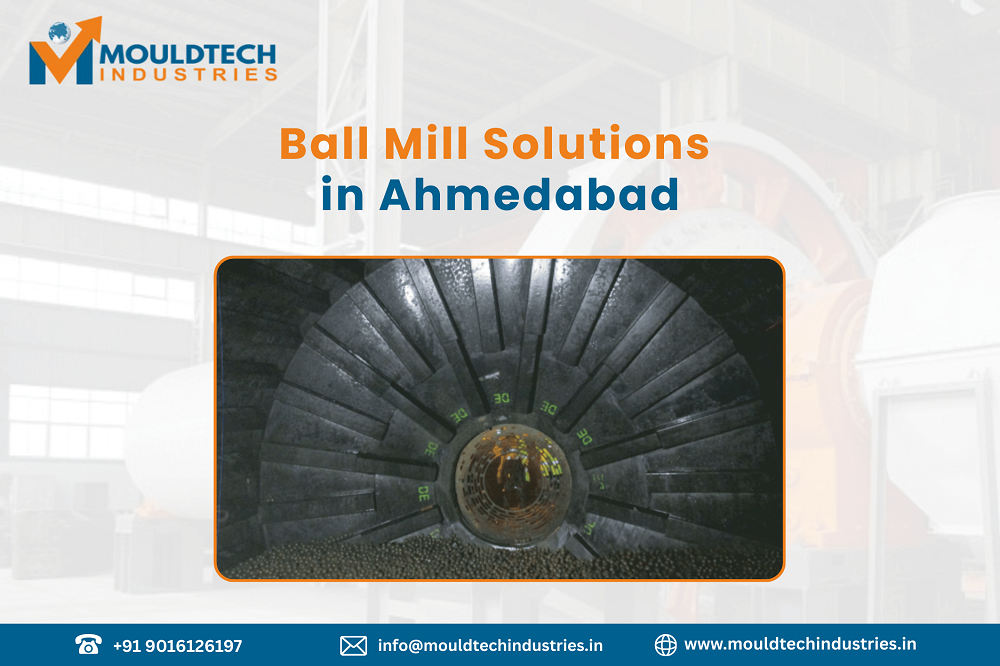
Mouldtech Industries is a Manufacturer of Wear Protection Line in Ahmedabad.
Our Manufacturing Unit is in Vadodara, Gujarat, India.
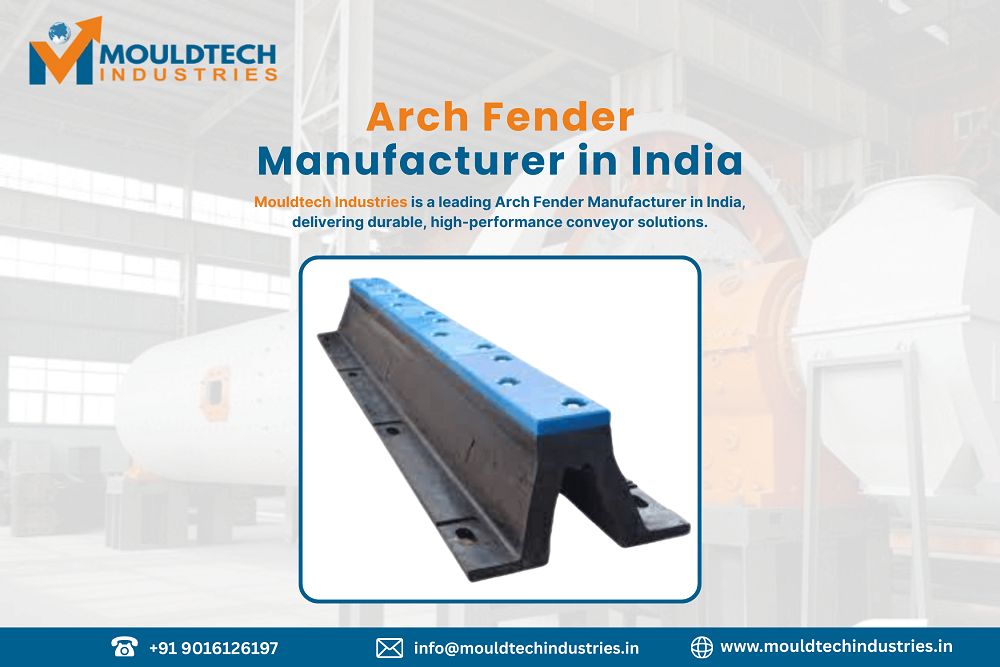
Mouldtech Industries is a Manufacturer of Bridge Rubber Pad, Ball Mill Rubber Lining, Bridge Rubber Pad, Resistant Rubber Liner, Embedded Rubber Liners, Conveyors Solutions, Ceramic Lagging Sheet, Belt Cleaners, Bridge Rubber Pad, Ceramic Rubber Lagging Services, and Ceramic Rubber Lagging Sheet.
Boosting Industrial Durability with Wear Protection Line: A Complete Manual
Introduction
Within rigorous industrial settings, maintaining equipment dependability is an ongoing operational puzzle. Operations in mining, metals, ceramics, cement, and bulk material handling face severe circumstances—grinding minerals, heavy stresses, chemical attack, dampness, and non-stop work cycles all hasten material degradation and unforeseen stoppages. For facility designers and maintenance teams, these elements translate directly into lower output and higher repair expenditures.
Across India’s key industrial zones—such as resource areas in Odisha and Chhattisgarh, steel hubs in Jharkhand and Maharashtra, the cement belt in Rajasthan and Karnataka, and ceramic producers in Gujarat and Tamil Nadu—industry players increasingly grasp that protective measures are essential, not optional. Worldwide, the need for robust wear-defense setups continues to rise, driven by facilities seeking greater operational continuity, lower operating costs, and higher safety standards.
A set of provisions that has become vital across these sectors is the Wear Protection Line. Featuring Ball Mill Rubber Surfaces, Ceramic Wear Defense Kits, Rubber Covering Setups, Ball Mill Rubber Components, and Conveyor Support Gear, these items are central to shielding machinery, prolonging service life, and improving repair planning.
Operational Difficulties Fueling the Need for Wear Protection Line
Machinery in the extractive, cement, and metal-refining industries endures a mix of abrasion, impact, and corrosive environments. Savvy facility engineers frequently note that unchecked deterioration is a foremost cause of unexpected halts. The central operational hurdles involve:
- Scratching: Fine ores, coal, limestone, and ceramic feedstock continuously rub and wear away equipment exteriors. In grinding mills, for instance, linings confront intense rubbing and material attrition, shortening their operational window.
- Stressing Forces: Dense materials, unevenly sized inputs, and swift conveyor belts repeatedly impact coverings, guiding components, and bins. Over time, this causes warping and potential equipment breakdown.
- Corrosion: In chemically active zones, such as during cement clinker treatment and mineral separation, contact with moisture and reactive agents accelerates material breakdown.
- Outages: Equipment failures due to damage result in costly production freezes. Experienced upkeep crews understand that even brief unscheduled stops can disrupt product flow in resource and metal facilities.
- Repair Expenditures: Frequent swaps of worn parts inflate operating expenses. Engineering departments are increasingly seeking lasting answers that minimize labor-intensive interventions.
Globally, these pressures are everyday. Mining activities in Australia, metal smelting sites in China, and material transit frameworks in South Africa all face similar wear issues, underscoring the global importance of effective wear-protective systems.
Defining the Wear Protection Line
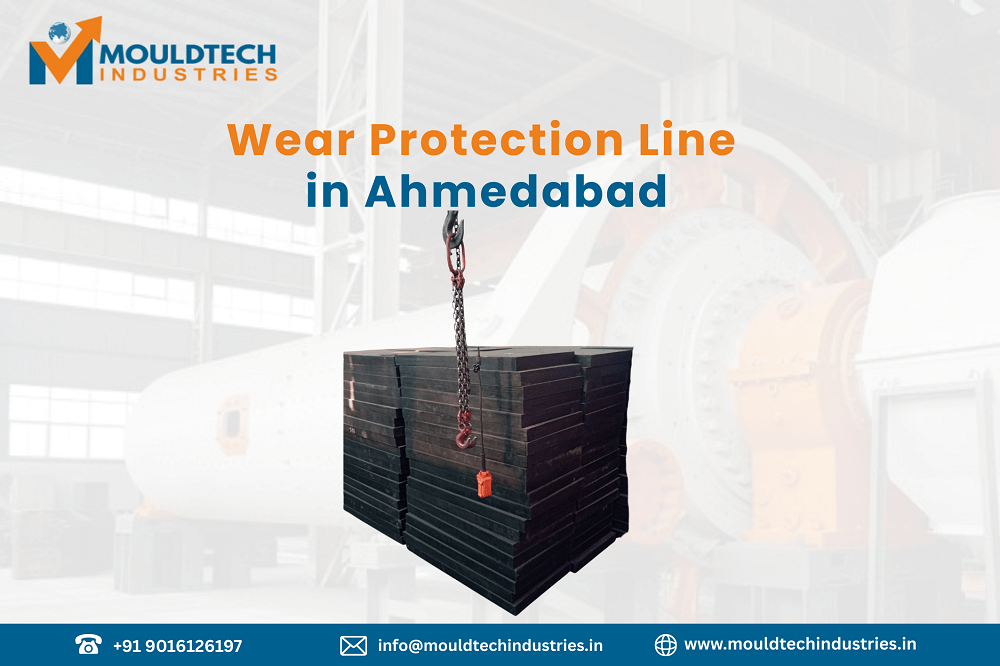
Technically, the Wear Protection Line comprises specially engineered materials that reduce equipment wear, absorb impact energy, and enhance operational endurance.
- Ball Mill Rubber Surfaces: High-strength, wear-tough rubber layers decrease grinding medium abrasion and boost mill performance.
- Ceramic Wear Defense Kits: Tough tile sets and elements resist damage from abrasive particles in bins, chutes, and mills.
- Rubber Covering Setups: Pliant, precisely shaped coverings shield conveyors, chutes, and bins from wear and chemical action.
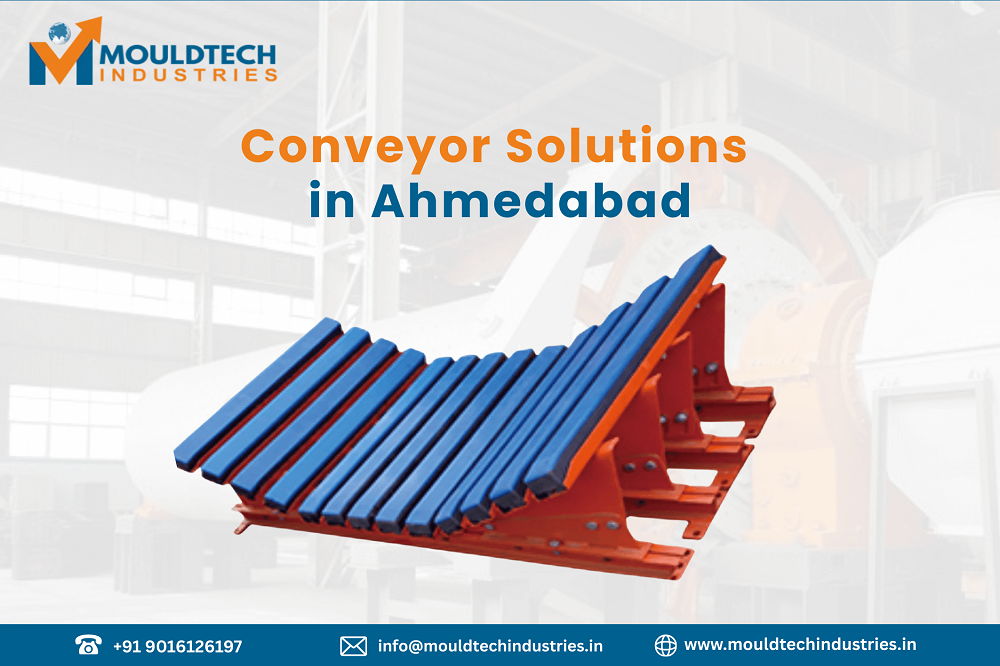
- Conveyor Support Gear: Belt scrapers, impact beds, and protective inner layers ensure smooth material movement and lessen the failure of conveyor elements.
These items are engineered not for sales pitches but to resolve genuine predicaments observed by facility engineers in demanding scenarios.
Uses Across Diverse Sectors
The adaptable nature of the Wear Protection Line is precise in its deployment across various industrial segments:
Mining
In resource extraction, grinders, crushers, and slurry conduits are subjected to abrasive rock and intense impacts. Rubber surfaces in mills and ceramic wear pieces in guides shield vital areas, prolonging machine life and cutting downtime.
Cement
Cement factories manage abrasive clinker, chalk, and gypsum. Ceramic wear systems in primary mills, separators, and transport lines defend against deterioration, while rubber-lined hoppers and chutes dampen sound and impact damage.
Metals & Steel
Facilities dealing with metal and steel encounter high-heat friction, slag impact, and caustic conditions. Wear defense provisions protect furnaces, sintering units, and conveyance routes, improving setup dependability.
Ceramics
In ceramic production centers in Gujarat and Rajasthan, processing raw materials subjects equipment to sharp, abrasive substances. Rubber coating sets and ceramic defense tiles extend the lifespan of blenders, kilns, and transporters.
Power Generation
Coal-fed power plants experience significant abrasion in pulverizers, mills, and ash removal systems. Appropriately designed rubber and ceramic facings reduce service intervals and enhance operational availability.
Material Transport
Conveying frameworks, including bins, slides, and belt lines, require protection from wear and shock. Bespoke rubber linings and ceramic pieces are adapted to the specific properties of the material being moved and its flow dynamics.
Material Science & Engineering Factors
The success of wear safeguarding relies on accurate material choice and design:
- Rubber Qualities: Rubber with high tensile strength and abrasion resistance soaks up impact energy, quiets operations, and offers chemical stability.
- Ceramic Rigidity: Industrial ceramics exhibit outstanding hardness and wear resistance, making them ideal for high-friction applications.
- Deterioration Resistance Principles: A blend of toughness, structural integrity, and surface configuration ensures peak function under constant rubbing.
- Impact Cushioning: Rubber and composite materials buffer repeated shocks, safeguarding the underlying machine framework.
In heavy industrial settings, understanding these material attributes is vital for engineers choosing the appropriate defense system for each task.
Design & Tailoring Needs
Every facility and piece of equipment presents distinct wear challenges:
- Machine Suitability: Liners and tiles must fit perfectly onto mill casings, chutes, bins, and conveyor surfaces.
- Custom Sizing: Standard modules may not be adequate; unique measurements improve seating, reduce shifting, and boost resilience.
- Task-Specific Design: Areas with heavy scraping need tougher compounds, while high-impact zones benefit from flexible rubber mixes.
Producers with long-term field experience know that ‘one-size-fits-all’ methods rarely succeed in industrial wear protection.
Production Quality & Process Oversight
Accurate manufacturing is vital for the performance of wear defense elements:
- Material Selection & Blending: Quality begins with selecting suitable rubbers, ceramics, and composites for the operating conditions.
- Precision Fabrication: Computer-controlled cutting, shaping, and controlled heating guarantee uniform dimensions and material characteristics.
- Testing Procedures: Checking hardness, validating wear capacity, and inspecting dimensions prevent premature failures.
- Batch Uniformity: Consistent production ensures reliability across all parts installed in a plant.
Experienced facility engineers often observe that even slight variations in material standards can significantly affect operational stability.
Mounting & Servicing Notes
Correct setup and regular upkeep maximize the advantages of wear protection setups:
- Simple Mounting: Modular construction and pre-made linings streamline installation and reduce downtime in the facility.
- Minimized Downtime: Shortening service gaps boosts plant output.
- Service Intervals: Wear defense systems are designed to allow examination and replacement without extensive dismantling.
In mining and metal refining operations, efficient mounting and predictable servicing schedules are key to long-term dependability.
Safety & Operational Dependability
Wear abatement products directly bolster workplace security and facility uptime:
- Personnel Well-being: Linings and protective facings mitigate the risks posed by ejected fragments and equipment malfunctions.
- Component Safeguarding: Correctly mounted defenses prevent structural deterioration in mills, troughs, and transport systems.
- Plant Uptime: Consistent operation minimizes unscheduled outages and guarantees continuous function.
Fiscal Prudence Across the Equipment Lifespan
Adopting wear control systems results in quantifiable future savings:
- Prolonged Component Life: Rubber and ceramic facings decrease wear on main parts, postponing replacement.
- Fewer Stoppages: Reduced unscheduled repair stops boost output.
- Streamlined Servicing: Predictable wear rates permit maintenance crews to arrange servicing effectively.
Producers with a significant heavy industry background recognize that long-term cost-effectiveness is closely linked to effective wear management.
Export Readiness & Worldwide Acceptance
Wear management solutions from seasoned producers meet worldwide industrial benchmarks:
- International Trade Expectations: Adherence to ISO and ASTM requirements secures entry into worldwide marketplaces.
- Paperwork & Standard Awareness: Material certifications, test specifics, and fitting guides promote export readiness.
- World Buyer Demands: Extraction sites, steelworks, and concrete factories globally expect uniform quality and reliability.
The Value of Experienced Producers
Not all wear reduction approaches are equivalent. Established manufacturers provide:
- Design Acumen: Profound grasp of material performance under site conditions.
- Sector Knowledge: Familiarity with challenges specific to the sector, from abrasive mining materials to ceramic processing.
- Dependable Provision: Guarantee of batch consistency and timely dispatch for vital undertakings.
In severe industrial settings, the distinction between a seasoned maker and a standard vendor can be quantified by reduced inactivity and enhanced operational safety.
Regarding Mouldtech Industries
Mouldtech Industries is a recognized producer specializing in the Wear Protection Range, supporting industries throughout India—from Odisha and Jharkhand to Gujarat, Maharashtra, Rajasthan, Karnataka, Tamil Nadu, and further afield. With decades of design expertise, Mouldtech Industries provides dependable solutions for the mining, cement, metal, ceramic, and bulk material handling sectors.
Explore their offerings further: 👉 https://www.mouldtechindustries.in/
Summary
In demanding industrial activities, wear mitigation is not optional—it’s essential. The Wear Protection Range ensures facilities run dependably, safely, and productively while reducing downtime and maintenance costs. By merging design expertise, material science, and practical site experience, manufacturers such as Mouldtech Industries deliver solutions that endure the harshest environments.
Key Insights
- Wear-abatement products extend service life in abrasive and high-impact environments.
- Operational consistency is boosted through appropriate material selection and setup.
- Applicable across mining, cement, metal, ceramic, and bulk material handling sectors.
- Sustained performance lessens servicing frequency and idle time.
- Global industrial relevance confirms conformity with international benchmarks.
Current Frequently Asked Questions
1. What is the typical service life for Ball Mill Rubber Liners?
Lifespan varies based on material harshness, impact forces, and upkeep, generally falling between 12 and 36 months in rigorous settings.
2. Which uses benefit most from ceramic wear defense?
Areas of intense abrasion, like chutes, bins, mill casings, and conveyors handling sharp, dense, or chemically harsh substances.
3. How often ought rubber lining assemblies be checked?
Seasoned facility engineers advise checking every 3–6 months for high-deterioration spots and following up on any unusual operational occurrences.
4. How do rubber wear solutions stack up against ceramic wear plates?
Rubber absorbs shocks and dampens sound; ceramic delivers superior hardness and resistance to wear. Often, mixed solutions are implemented.
5. Are these provisions utilized worldwide?
Yes, mining activities in Australia, metalworking in China, cement facilities in the Middle East, and bulk transport frameworks in South Africa employ comparable wear-abatement provisions.
Contact Mouldtech Industries for expert solutions in the Wear Protection Line. Reach out to our team for inquiries, technical support, or project consultation across India and global markets.
#BallMillRubberLiner #CeramicWearProtection #RubberLining #MiningSolutions #BulkMaterialHandling #ConveyorSolutions #MouldtechIndustries #WearProtection #IndustrialManufacturing