

Shell Liner Manufacturer, Supplier, And Exporter in India: Mouldtech Industries
Mouldtech Industries is a Manufacturer of Shell liners in Morbi.
Our Manufacturing Unit is in Vadodara, Gujarat, India.
Mouldtech Industries is a Manufacturer of Bridge Rubber Pad, Ball Mill Rubber Lining, Bridge Rubber Pad, Resistant Rubber Liner, Embedded Rubber Liners, Conveyors Solutions, Ceramic Lagging Sheet, Belt Cleaners, Bridge Rubber Pad, Ceramic Rubber Lagging Services, and Ceramic Rubber Lagging Sheet.
Shell Liner: A Vital Component for Protecting Heavy-Duty Industrial Machinery
Introduction
Sectors such as ore extraction, metal refining, concrete production, tile making, and bulk material transport operate under some of the toughest mechanical stresses. Machinery in these fields constantly faces friction, sudden impacts, corrosive substances, dampness, and shifting temperatures. Over time, these operational factors lead to faster material degradation, unexpected stoppages, and higher repair expenses.
In demanding industrial settings, safeguarding against wear is not an added feature—it’s essential for keeping machinery dependable and production flowing. Across the world, industries are turning to specialized wear protection setups that balance longevity, safety, and efficiency over the product’s lifespan, moving away from simply replacing parts often.
In machinery for grinding and material processing, the Shell Liner plays a key role. It’s made to safeguard the inner casing of mills and processing units, absorbing shocks, resisting friction, and helping maintain stable operation. Their significance is continually rising across industrial zones throughout India—from mining areas to ceramics production centers and metal processing hubs.
Industrial Hurdles Driving the Need for Shell Liners
Industrial sites across India and in processing areas globally share a group of typical problems that directly affect how equipment performs:
- Friction and Material Erosion: In mineral extraction and metal refining, pulverized ore, cement clinker, slag, and raw minerals constantly rub against mill casings. Without effective lining systems, structural elements wear out quickly.
- Impact Loads: Large grinding elements and uneven material flow create repeated hammering forces. Over time, these forces can warp or crack unprotected equipment surfaces.
- Chemical Exposure and Rust: Concrete factories, power stations, and mineral processing units often operate in harsh chemical environments where moisture, sludge, and processing additives accelerate corrosion.
- Stoppages and Production Losses: Unexpected shutdowns for liner replacement or shell mending lead to lost operational hours, delayed shipments, and greater strain on operations.
- Strain on Maintenance Budgets: Frequent component swapping increases the need for spare stock and labor costs. Seasoned plant engineers often observe that insufficient wear defense systems result in a domino effect of maintenance problems.
These issues fuel demand for custom-designed shell liner solutions across mining regions in states such as Odisha, Jharkhand, Chhattisgarh, Rajasthan, Maharashtra, Karnataka, Andhra Pradesh, Telangana, Gujarat, Tamil Nadu, West Bengal, and other manufacturing hubs in India.
What Exactly is a Shell Liner?
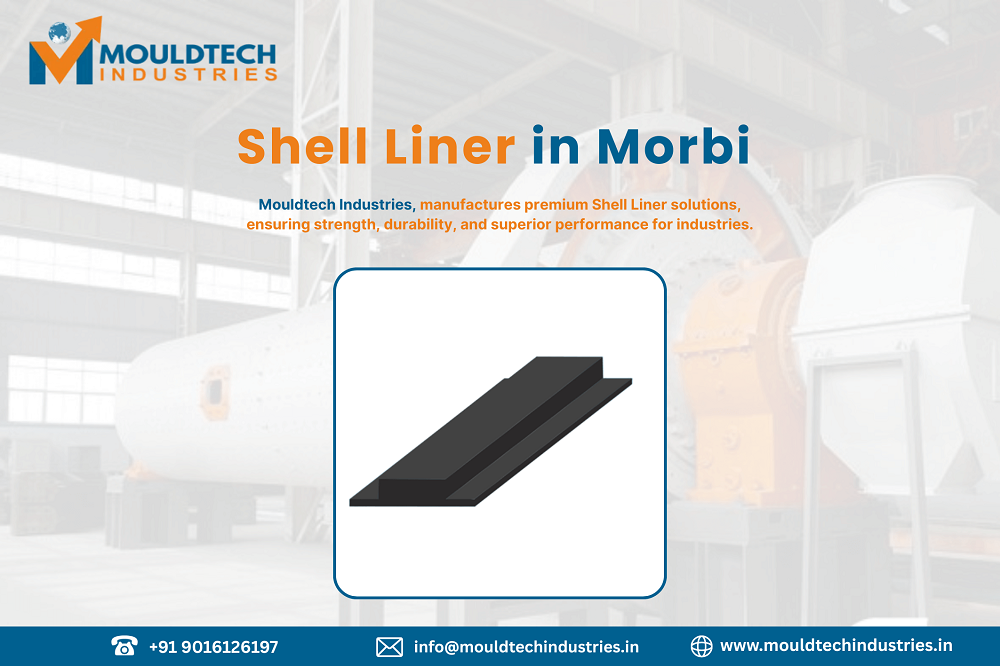
A Shell Liner is an inner protective covering installed along the bodies of grinding mills, crushers, and other material-processing machines. Its main job is to shield the equipment’s main body from direct contact with materials that cause friction or impact.
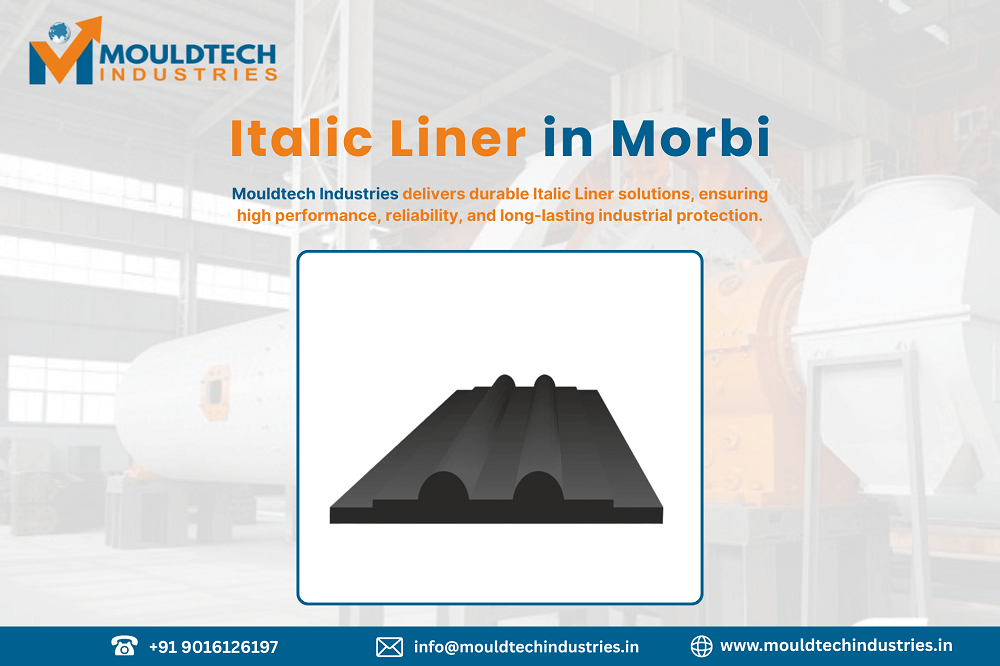
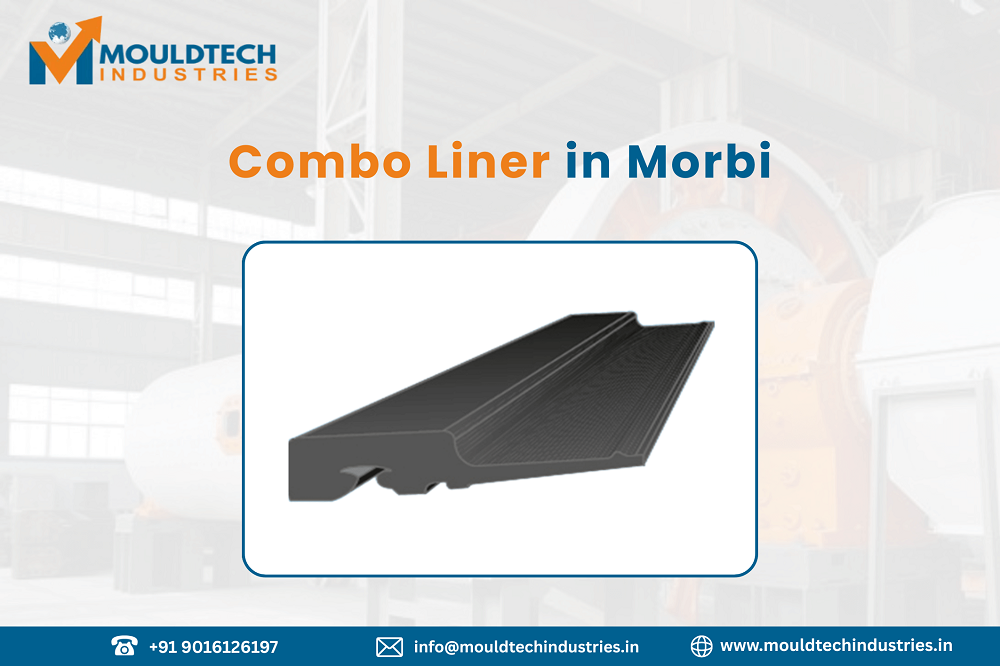
Shell liners are usually made from engineered rubber mixes, ceramic wear components, or hybrid systems combining flexibility with toughness. Instead of being a load-bearing part, the liner serves as a sacrificial contact surface that absorbs energy, reduces direct metal contact, and prolongs the service life of the equipment’s shell.
Unlike hard-metal liners, rubber- and ceramic-based liners exhibit controlled flexing and wear, making them suitable for continuous industrial use.
Uses Across Different Sectors
- Mining Sector: Shell liners are commonly employed in ball mills, SAG mills, and rod mills handling iron ore, coal, bauxite, copper, and other ores. They shield mill casings from the impact of grinding media while dampening sound and vibration.
- Cement Plants: In cement grinding processes, shell liners guard mills processing clinker, limestone, and additives. Consistent liner performance supports maintaining mill efficiency and predictable upkeep schedules.
- Metal & Steel Facilities: Shell liners are used in grinding and material-handling lines that handle slag, sinter, and refined ores, where resistance to abrasion is vital.
- Ceramic Production: Ceramic manufacturing clusters in places like Morbi (Gujarat), Khurja (Uttar Pradesh), and Tiruchirappalli (Tamil Nadu) rely on shell liners for mills processing materials such as feldspar, quartz, and glazes.
- Power Generation Sites: Equipment for handling coal and processing ash benefits from wear-resistant lining systems to curb failures caused by erosion.
- Bulk Material Transport: Shell liners also support conveyor transfer points and processing sections where large volumes of solids cause ongoing wear.
Material Science & Engineering Aspects
Manufacturers with deep industry experience know that liner effectiveness depends more on material engineering than on thickness alone.
Rubber Characteristics
Industrial rubber mixes are chosen for:
- Flexibility to cushion impact energy
- Resistance to tearing from sharp particles
- Controlled firmness to balance wear and pliability
- Ceramic Toughness: Ceramic wear parts offer exceptionally high abrasion resistance. When correctly integrated, they manage sliding friction while the rubber backing absorbs shock.
- Wear Resistance Principles: Wear is affected by particle size, rigidity, speed, and wetness. Engineers create shell liners by considering these factors rather than relying on standard recipes.
- Impact Cushioning: Rubber-based shell liners lessen peak stress transfer to the main equipment shell, helping avoid structural fatigue.
Design & Customization Needs
Shell liners are not one-size-fits-all parts. Correct design depends on:
- The equipment’s size and curve
- Mill rotation speed and grinding element dimensions
- Material properties and processing volume
- Installation space and ease of access for service
Precise sizing ensures loads are spread evenly, and the liner sits correctly. Designs tailored to the specific use prevent early deterioration and uneven liner failure.
Manufacturing Quality & Process Management
Reliable shell liners require precise production and tight quality checks:
- Controlled mixing of rubber ingredients
- Accurate shaping and hardening procedures
- Size verification and consistency checks across batches
- Adhesion testing for hybrid liner assemblies
Uniformity across production runs is crucial for predictable liner performance and scheduling maintenance.
Fitting & Servicing Notes
From an operations viewpoint, shell liners must support:
- Safe and simple fitting
- Less time spent handling the liners
- Consistent service intervals
Well-conceived liners allow service personnel to change parts efficiently during scheduled breaks, minimizing operational interruption.
Safety & Operational Dependability
In heavy-duty industrial environments, safety and reliability are intertwined.
Shell liners help achieve:
- Quieter grinding operations
- Reduced vibration transfer
- Better worker safety during servicing
- Protection for key equipment structures
Stable liner performance supports steady plant running and reduces the need for emergency repairs.
Value Over the Equipment’s Full Life
While the initial material choice is essential, performance across the lifespan dictates true cost-effectiveness.
Shell liners help deliver:
- Longer shell and equipment usage
- Fewer unexpected shutdowns
- Optimized maintenance timetables
- Reduced consumption of spare components
Over time, these elements lead to real operational savings without sacrificing capability.
Export Readiness & Global Acceptance
Buyers in the global industry expect:
- Provenance tracking for materials
- Exact dimensional compliance
- Consistent quality documentation
- Knowledge of various international operating conditions
Liners intended for overseas markets must meet diverse process needs across the global mining, cement, and ceramics sectors.
Why Expert Manufacturers Are Key
Shell liner performance relies not just on materials but also on specialized engineering insight.
Experienced producers:
- Grasp the realities of plant operation
- Design for wear patterns specific to the application
- Guarantee dependable supply and technical assistance
This specialized knowledge becomes particularly valuable in critical production settings.
About Mouldtech Industries
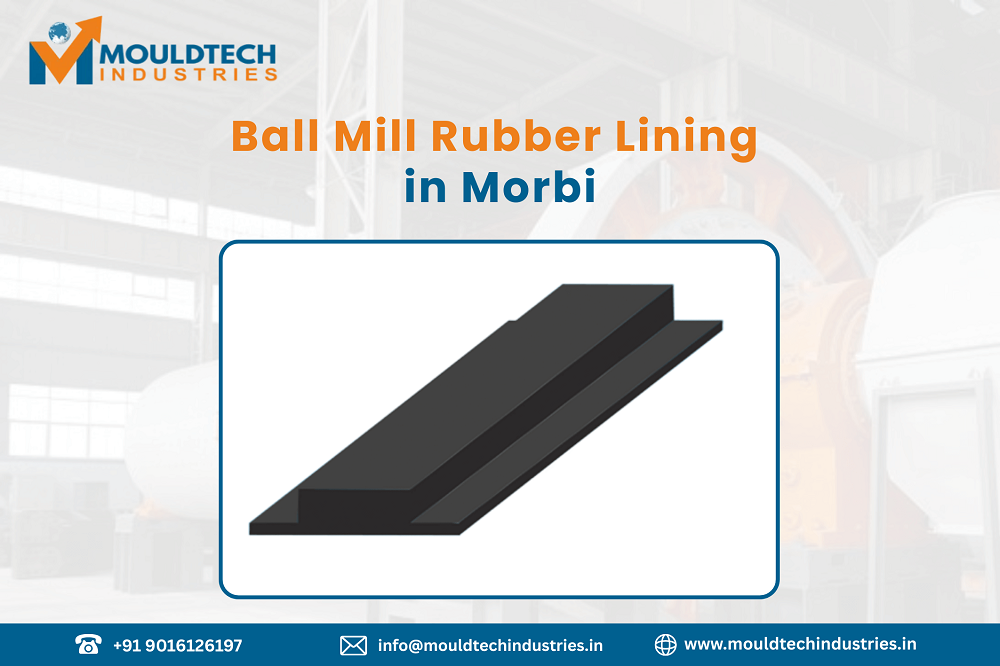
Mouldtech Industries is an established industrial producer focused on ball mill rubber linings, ceramic wear-defense options, rubber lining setups, shell liners, and wear parts for conveyors. Serving industrial markets across India and international clientele, the company provides engineered wear protection systems to the mining, cement, ceramics, metal, and bulk material handling sectors.
Discover more about their industrial offerings at https://www.mouldtechindustries.in/.
Conclusion
Shell liners play a critical role in safeguarding industrial machinery subjected to intense wear. By blending material science, use-specific design, and manufacturing accuracy, shell liners help boost plant dependability, safety, and efficiency over the long term.
For facilities aiming for predictable results and managed servicing, custom-engineered shell liner solutions remain an essential element of modern industrial systems.
Key Takeaways
- Shell liners shield machinery from friction and impact
- Choosing the right material boosts operational reliability
- Suitable for mining, cement, ceramic, metal, and power sectors
- Support safer servicing and less downtime
- Engineered for sustained industrial performance across worldwide markets
Trending FAQs
1. What is the typical lifespan of a shell liner?
Lifespan depends on material type, operating conditions, and maintenance practices. Performance varies by application.
2. Are shell liners suitable for high-impact grinding environments?
Yes, rubber and composite shell liners are designed to absorb repeated impact loads.
3. How often do shell liners require maintenance?
Maintenance frequency depends on the wear rate and process intensity, and is usually aligned with planned shutdown cycles.
4. Rubber vs ceramic wear solutions—what is the difference?
Rubber absorbs impact; ceramics provide high abrasion resistance. Composite systems combine both advantages.
5. Are shell liners used globally in mining and cement plants?
Yes, shell liners are standard wear protection components worldwide.
For inquiries about Shell Liner solutions, contact Mouldtech Industries. Our experts are ready to assist mining, cement, metal, ceramic, and bulk handling operations today.
#ShellLiner #BallMillRubberLiner #CeramicWearProtection #RubberLining #MiningSolutions #BulkMaterialHandling #ConveyorSolutions #WearProtection #IndustrialManufacturing #MouldtechIndustries