

Pulp Lifter Manufacturer, Supplier, And Exporter in India: Mouldtech Industries
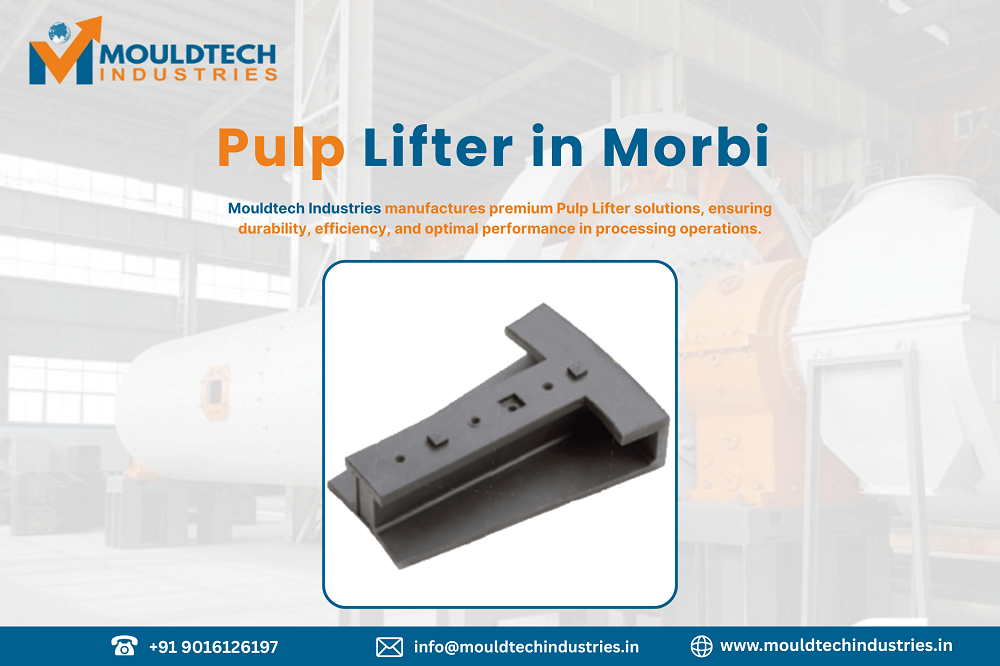
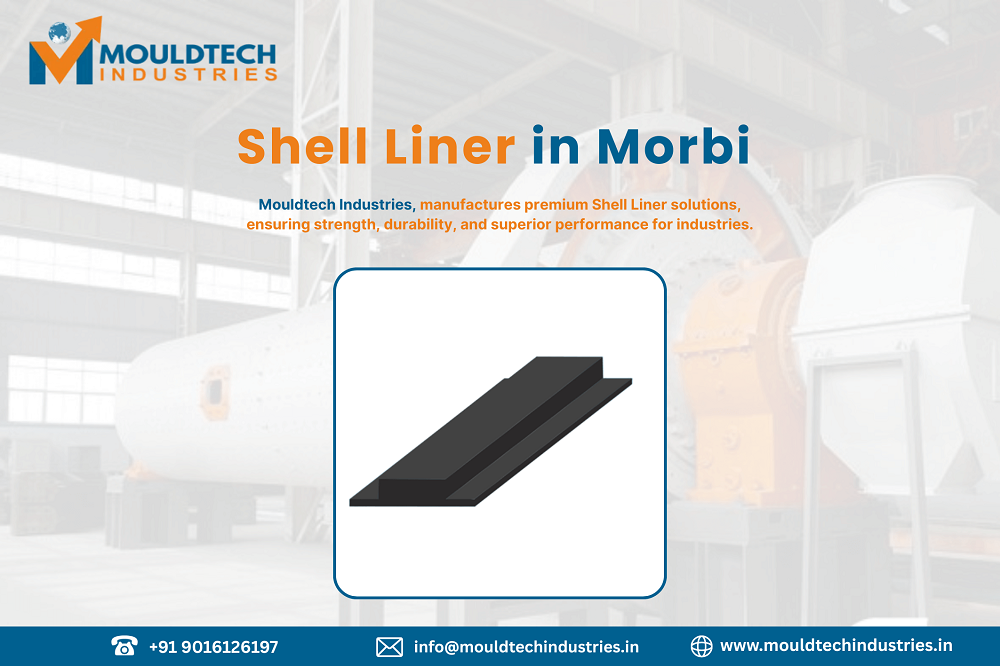
Mouldtech Industries is a Manufacturer of Pulp lifters in Morbi.
Our Manufacturing Unit is in Vadodara, Gujarat, India.
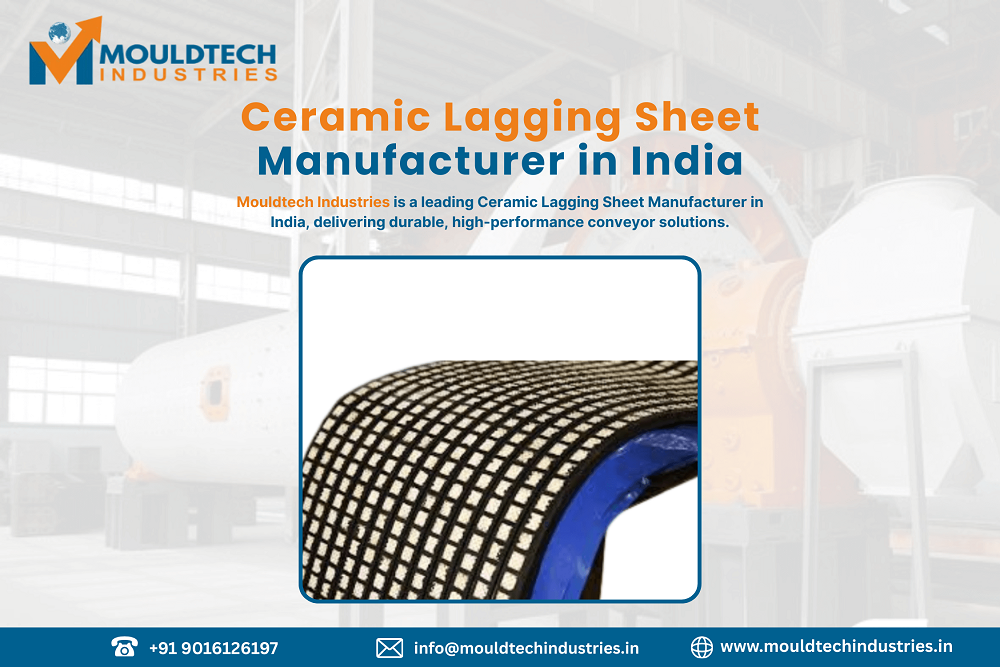
Mouldtech Industries is a Manufacturer of Bridge Rubber Pad, Ball Mill Rubber Lining, Bridge Rubber Pad, Resistant Rubber Liner, Embedded Rubber Liners, Conveyors Solutions, Ceramic Lagging Sheet, Belt Cleaners, Bridge Rubber Pad, Ceramic Rubber Lagging Services, and Ceramic Rubber Lagging Sheet.
Pulp Lifter Systems: Boosting Mill Performance in Tough Industrial Settings
Introduction
Throughout mining, cement, metal, ceramic, and bulk material handling sectors, keeping equipment running reliably is key to continuous production, managing operational expenses, and ensuring site safety. In harsh industrial environments, mills and material-handling equipment are subjected to constant rubbing, repeated heavy blows, slurry movement, and corrosive process conditions. These elements gradually wear down interior parts, often leading to unexpected stops and increasing repair costs.
As the worldwide demand for minerals, cement, steel, and specialised ceramics continues to grow, industrial operators face pressure to maximise output while extending equipment lifespans. Seasoned plant engineers notice that even minor inefficiencies within grinding mills can translate into substantial lost production over time.
In this context, the Pulp Lifter serves a vital purpose in modern ball mill setups. It directly affects how effectively slurry is discharged, grinding capability, and how long liners last. When designed well, pulp lifters lead to smoother mill operations, more predictable maintenance schedules, and better overall plant performance.
Industrial Hurdles Driving the Need for Pulp Lifters
In mining and metal extraction, ball mills operate under very harsh conditions. Several main issues highlight the requirement for thoughtfully designed pulp lifter systems:
- Abrasion: The constant motion of ore, clinker, or ceramic media causes significant wear on the mill’s insides.
- Impact Loads: Grinding media and the material fed in create recurring forceful impacts as the mill turns.
- Corrosion: The makeup of the slurry, moisture, and process additives speeds up material breakdown.
- Downtime Risks: Inefficient slurry removal can cause material to build up, over-grind, and place extra stress on liners.
- Maintenance Expenses: Frequent liner changes disrupt production plans and increase worker exposure.
These problems are common not just in Indian facilities but globally in industrial regions where mining, cement, and mineral processing form the foundation of development.
What Exactly Is a Pulp Lifter?
A Pulp Lifter is a necessary internal piece of a ball mill, positioned at the outlet. Its main job is to carry the ground slurry up and direct it out of the mill effectively once grinding is complete.
While shell liners shield the mill walls, pulp lifters manage how the slurry moves. Properly designed pulp lifters reduce material buildup, prevent backward flow, and maintain steady discharge rates. This balance is crucial for maintaining top grinding performance and safeguarding equipment in the long term.
From an engineering perspective, pulp lifters must handle rubbing, impacts, and chemical exposure while keeping their shape throughout their working life.
Uses Across Different Industries
Pulp lifter systems are employed across several heavy industries where grinding and material processing are key functions:
- Mining Sector: In ore grinding and mineral separation facilities, pulp lifters efficiently remove slurry, preventing excessive grinding and reducing energy use.
- Cement Factories: During clinker grinding, pulp lifters help maintain a steady mill output and uniform product fineness.
- Metal & Steel Plants: In slag grinding and raw-material preparation, pulp lifters handle abrasive materials under heavy load conditions.
- Ceramic Production: Fine ceramics and mineral powders need carefully managed milling environments, where precise slurry movement is essential.
- Power Plants: Coal and ash-handling systems depend on reliable milling components to keep fuel preparation running without interruption.
- Bulk Material Handling: In material preparation phases, pulp lifters contribute to more predictable mill behaviour and stable downstream transport.
Material Science & Engineering Factors
Choosing the right material is fundamental to the performance of pulp lifters. Manufacturers with extensive industry background know that one material doesn’t fit every situation.
- Rubber Qualities: Rubber offers flexibility, shock absorption, and noise reduction. It works well where impacts are substantial and abrasion is moderate.
- Ceramic Toughness: Ceramic pieces offer outstanding resistance to wear in high-wear areas but require careful fitting to withstand brittleness.
- Wear Resistance Concepts: Wear happens through rubbing, erosion, and repeated impact damage. Material makeup and shape must address all three.
- Impact Cushioning: In high-force mills, the capacity to absorb impacts without breaking is vital for safety and longevity.
Engineering choices are made based on process specifications, feed material traits, and operating cycles rather than on general performance claims.
Design & Tailoring Needs
Every milling setup runs differently. Pulp lifters must be engineered to fit:
- Mill Size (Diameter and Length)
- Discharge Arrangement
- Compatibility with the Overall Liner Setup
- Characteristics of the Process Slurry
Custom sizing and profile shaping ensure proper alignment with the mill’s existing inner parts. Engineering specific to the application helps prevent uneven wear patterns and poor discharge results.
Manufacturing Excellence & Process Checks
Precise manufacturing is vital for pulp lifters, as minor errors in size can affect mill balance and output.
High-quality production methods usually involve:
- Careful selection of raw materials
- Accuracy and consistency in moulds
- Checking uniformity between production batches
- Measuring dimensions
- Final visual and operating review
These steps guarantee dependability across large-scale installations and repeat orders.
Fitting & Upkeep Notes
How easily something can be installed directly affects how long the shutdown lasts. Well-built pulp lifters are made for simple fitting during planned maintenance breaks.
Maintenance teams benefit from:
- Predictable patterns of wear
- Less need for frequent adjustments
- Compatibility with standard liner replacement schedules
This approach helps minimise unexpected downtime and improve the accuracy of maintenance planning.
Safety and Operational Dependability
Worker protection is a primary focus in mill activities. Dependable pulp lifting mechanisms lead to:
- Less hands-on involvement
- Reduced the chance of slurry leaks
- Consistent mill outlet behaviour
Safeguarding machinery and ensuring steady operation foster more secure working environments throughout the facility.
Value Over the Entire Equipment Lifetime
Although initial part choices matter, lasting performance determines true worth. Across the equipment’s service span, efficient pulp lifters aid in achieving:
- Fewer necessary stoppages
- Less exposure to maintenance staff
- Optimised timings for screen replacement
- Steady milling output
These aspects together promote lasting facility performance without prioritising immediate cost reductions.
Preparedness for Export and International Acknowledgment
Buyers in the worldwide industrial sector anticipate suppliers to demonstrate:
- Uniform quality standards
- Thorough paperwork
- Expertise in application
- Tracking of the process
Manufacturers prepared for export comprehend international industry expectations and adapt offerings to suit diverse operational settings.
The Importance of Seasoned Producers
Manufacturers possessing an extensive sector background provide:
- In-depth practical design knowledge
- The ability to tailor designs to specific uses
- Predictable manufacturing schedules
- Consistent support over extended periods
Such accumulated expertise reduces operational hazards for end users across demanding sectors.
Introducing Mouldtech Industries
Mouldtech Industries is a seasoned producer specialising in rubber liners for ball mills, ceramic safeguarding solutions, rubber lining setups, rubber components for ball mills, and conveyor systems. Serving industrial consumers across India and internationally, the firm supports operations in mining, cement, metals, ceramics, and bulk material handling with specially designed wear solutions.
With a deep understanding of operational scenarios within every Indian state and industrial zone—including Maharashtra, Gujarat, Rajasthan, Odisha, Chhattisgarh, Jharkhand, Karnataka, Tamil Nadu, Andhra Pradesh, Telangana, West Bengal, Madhya Pradesh, Uttar Pradesh, Bihar, Punjab, Haryana, Himachal Pradesh, Uttarakhand, Kerala, Assam, Meghalaya, Tripura, Manipur, Mizoram, Nagaland, Arunachal Pradesh, Sikkim, Goa, Delhi NCR, and all Union Territories—as well as major hubs like Mumbai, Pune, Ahmedabad, Surat, Rajkot, Jaipur, Jodhpur, Bhilai, Raipur, Rourkela, Jamshedpur, Bokaro, Dhanbad, Chennai, Coimbatore, Salem, Bengaluru, Hyderabad, Visakhapatnam, Vijayawada, Kolkata, Durgapur, Asansol, Indore, Bhopal, Nagpur, Kanpur, Lucknow, Patna, Ludhiana, Faridabad, Gurugram, Kochi, Palakkad, and Guwahati—Mouldtech Industries delivers solutions tailored to actual facility requirements.
Further details can be found at https://www.mouldtechindustries.in/
Summary
Pulp lifters serve a vital function in maintaining milling efficiency, safeguarding internal mill components, and supporting secure, reliable facility operations. When conceived and built with practical engineering expertise, they contribute to long-term equipment dependability and foreseeable upkeep scheduling.
For industrial processes prioritising consistent output over temporary fixes, expertly designed pulp lifting systems remain a crucial element of modern grinding technology.
Key Takeaways
- Effective pulp lifters enhance slurry exit performance
- Appropriate material choice boosts resistance to wear
- Bespoke design supports component fit compatibility
- Reliable assemblies decrease downtime and associated risk
- Suitable for mining, cement, metal, ceramic, and bulk transport sectors
Trending FAQs
Q1. What is the typical service life of a pulp lifter?
Service life depends on material selection, operating conditions, and mill load. Properly engineered systems align with liner maintenance cycles.
Q2. Are pulp lifters suitable for high-abrasion applications?
Yes, when designed with appropriate rubber or ceramic wear protection based on application requirements.
Q3. How often do pulp lifters require maintenance?
Inspection is usually scheduled to coincide with mill shutdowns. Replacement frequency depends on wear rate and process conditions.
Q4. How do rubber and ceramic wear solutions differ?
Rubber offers impact absorption, while ceramic provides higher abrasion resistance. Hybrid designs are often used.
Q5. Are pulp lifters used globally?
Yes, they are standard components in ball mills used worldwide across mining, cement, and mineral processing industries.
Contact Mouldtech Industries to discuss Pulp Lifter solutions, application requirements, technical support, customisation options, and supply for mining, cement, metal, and bulk-material-handling plants.
#PulpLifter #BallMillPulpLifter #BallMillRubberProducts #RubberLiningSystems #CeramicWearProtection #BallMillComponents #WearResistantSolutions #MiningEquipmentParts #GrindingMillSolutions #IndustrialWearProtection