



Fitting Accessories Manufacturer, Supplier, And Exporter in India: Mouldtech Industries
Mouldtech Industries is a Manufacturer of Fitting Accessories in Morbi.
Our Manufacturing Unit is in Vadodara, Gujarat, India.
Mouldtech Industries is a Manufacturer of Bridge Rubber Pad, Ball Mill Rubber Lining, Bridge Rubber Pad, Resistant Rubber Liner, Embedded Rubber Liners, Conveyors Solutions, Ceramic Lagging Sheet, Belt Cleaners, Bridge Rubber Pad, Ceramic Rubber Lagging Services, and Ceramic Rubber Lagging Sheet.
Fitting Accessories: Engineering Wear Protection for Demanding Industrial Environments
Introduction
Mining, metal processing, cement manufacturing, ceramic production, and bulk material handling are among the most wear-intensive industrial sectors in the world. Across these industries, equipment operates under continuous abrasion, heavy impact loads, moisture exposure, chemical attack, and fluctuating operating temperatures. These conditions accelerate component degradation, increase unplanned shutdowns, and place constant pressure on maintenance teams to keep plants running safely and efficiently.
In heavy-duty industrial environments, equipment reliability is not determined only by major machines like crushers, mills, or conveyors. It is equally influenced by the fitting accessories—the liners, protection systems, rubber and ceramic interfaces, and wear-resistant components that shield core equipment from premature failure.
Globally, industrial operators are focusing more on life-cycle performance, predictable maintenance, and risk reduction rather than short-term cost savings. This shift has made engineered fitting accessories a critical part of plant design and long-term operational planning.
Industrial Challenges That Drive Demand for Fitting Accessories
- Abrasion and Sliding Wear: In mining and metal processing operations, materials such as iron ore, limestone, clinker, bauxite, coal, and ceramic raw materials continuously abrade equipment surfaces. Without proper wear protection, steel surfaces erode rapidly, affecting throughput and dimensional accuracy.
- Impact Loads: Ball mills, chutes, transfer points, and hoppers are exposed to repeated high-energy impacts. Experienced plant engineers often observe that unprotected impact zones become failure points long before scheduled maintenance intervals.
- Corrosion and Chemical Exposure: Slurries, moisture, acidic or alkaline environments, and process chemicals contribute to corrosion. Over time, corrosion combined with abrasion leads to accelerated material loss.
- Downtime and Maintenance Pressure: Unplanned shutdowns remain one of the most expensive issues in continuous process industries. Even short stoppages can disrupt production schedules, logistics, and downstream operations.
- Rising Maintenance Costs: Frequent replacement of worn components increases spare inventory, manpower requirements, and overall maintenance expenditure.
These challenges are common across industrial regions in India’s mining belts, cement clusters, steel corridors, ceramic hubs, and bulk logistics centers, as well as similar environments globally.
What Is Fitting Accessories?
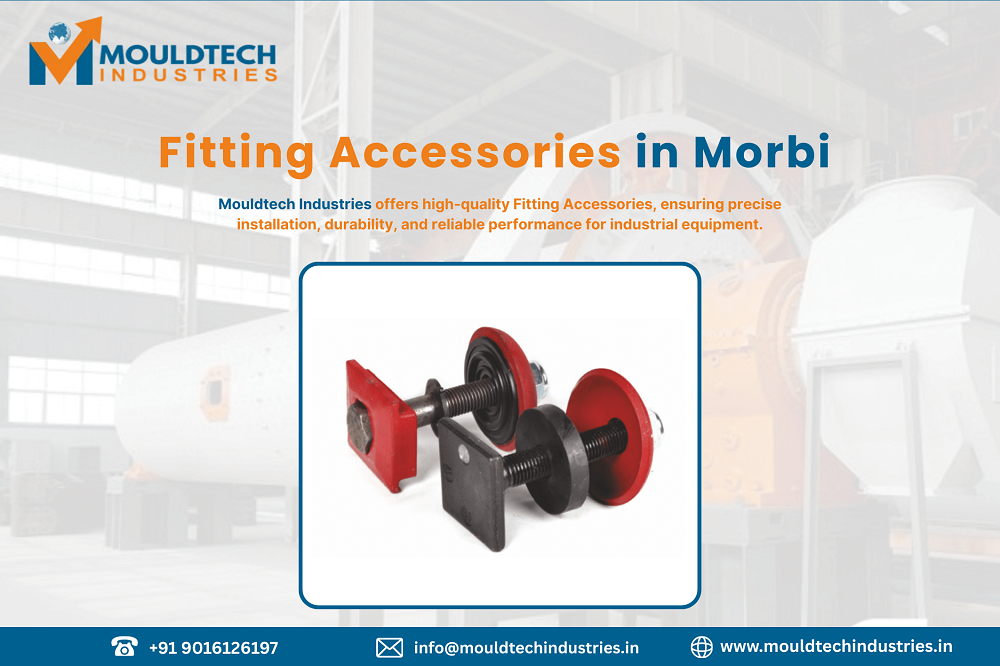
Fitting accessories refer to engineered wear protection and support components installed on or within industrial equipment to protect primary structures from wear, impact, and corrosion. They are not standalone machines but essential interfaces between material flow and mechanical systems.
Typical fitting accessories include:
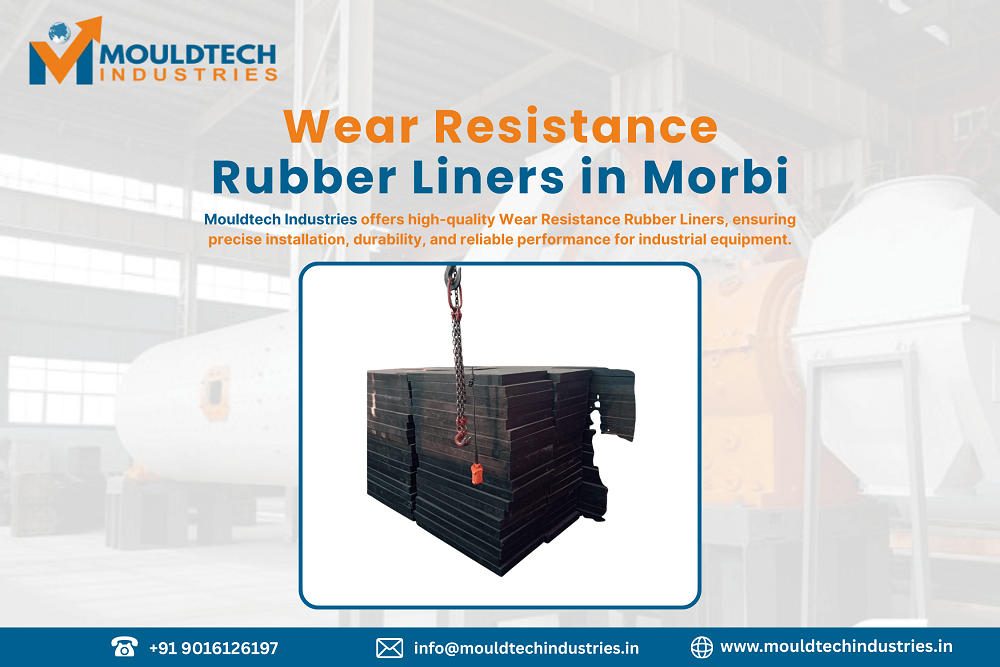
- Ball mill rubber liners and liner fixing systems
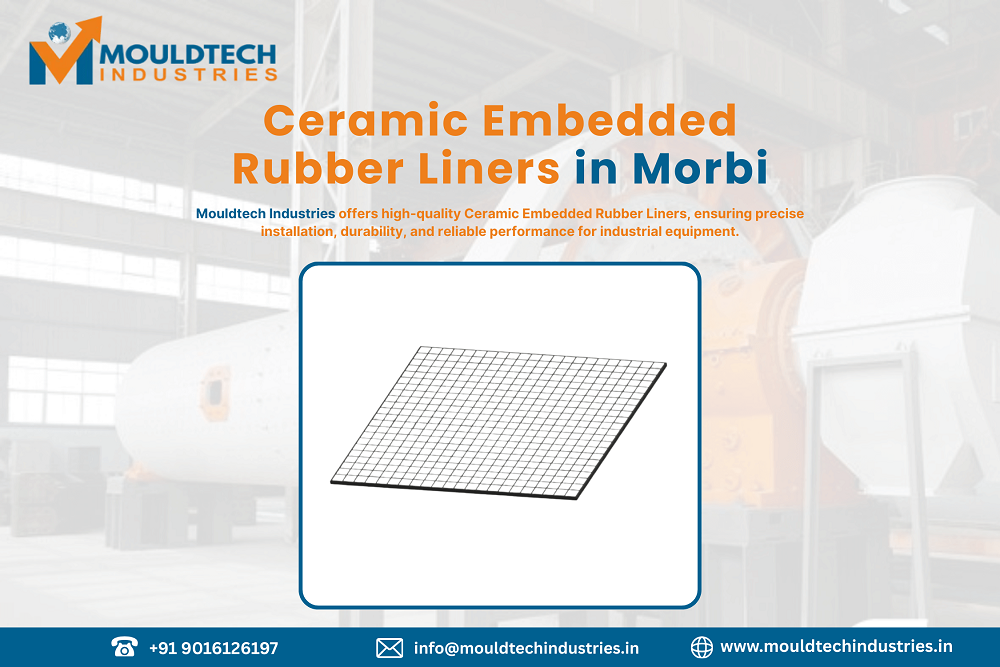
- Ceramic wear protection tiles and panels
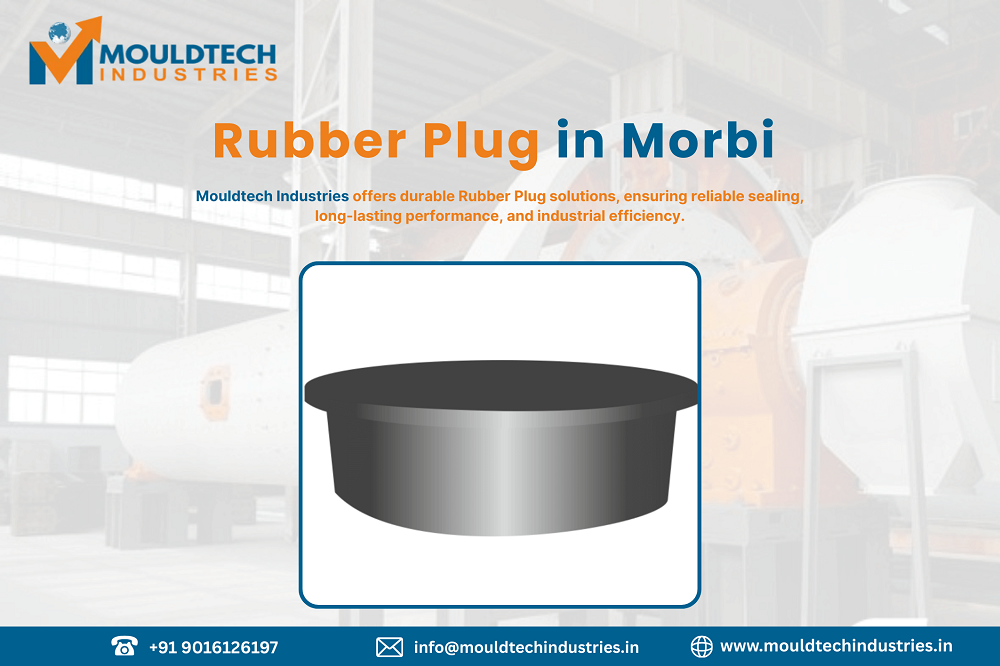
- Rubber lining systems for tanks, pipes, and chutes
- Conveyor belt accessories, wear liners, and protection elements
Their primary role is to absorb wear instead of the base equipment, allowing controlled, predictable replacement without compromising core machinery.
Applications Across Industries
- Mining Industry: In mining operations, fitting accessories are widely used in ball mills, slurry pipelines, hoppers, cyclones, and transfer chutes. Rubber and ceramic systems protect equipment handling ores with high hardness and sharp particle profiles.
- Cement Plants: Cement plants rely on wear protection in raw mills, coal mills, clinker handling systems, and material transfer points. Liners and ceramic systems reduce wear caused by clinker and raw mix abrasiveness.
- Metal & Steel Plants: Steel plants use fitting accessories in sinter plants, blast furnace material handling, ash systems, and conveyors where both heat and abrasion are present.
- Ceramic Manufacturing: In ceramic plants, raw material grinding and conveying systems demand precise wear control to prevent contamination and maintain product quality.
- Power Plants: Coal handling systems, ash slurry pipelines, and hoppers in thermal power plants depend on wear-resistant linings to ensure continuous operation.
- Bulk Material Handling: Ports, stockyards, and industrial logistics facilities use fitting accessories to extend the service life of conveyors, chutes, and transfer systems.
Material Science & Engineering Considerations
- Rubber Properties: Industrial rubber linings are selected based on elasticity, abrasion resistance, resilience, and chemical compatibility. Rubber absorbs impact energy and reduces noise and vibration, making it suitable for dynamic environments.
- Ceramic Hardness: Ceramic wear tiles offer extremely high hardness and abrasion resistance. They are effective in sliding wear zones with minimal impact.
- Wear Resistance Principles: Wear resistance is not about hardness alone. Engineers evaluate particle size, velocity, impact angle, and moisture content to select the correct material combination.
- Impact Absorption: Rubber-ceramic composite systems combine the toughness of rubber with the hardness of ceramic, balancing impact absorption and wear resistance.
Manufacturers with long-term industry exposure understand that incorrect material selection often leads to premature failure, even with high-grade products.
Design & Customization Requirements
Fitting accessories are rarely standard, off-the-shelf items.
Key design considerations include:
- Equipment geometry and dimensional tolerances
- Operating temperature and load conditions
- Material flow behavior
- Ease of replacement and access
Custom sizing and application-specific design ensure proper fitment, uniform wear, and safe installation during maintenance shutdowns.
Manufacturing Quality & Process Control
Precision manufacturing plays a major role in the performance of fitting accessories.
Critical factors include:
- Controlled compounding of rubber materials
- Accurate ceramic tile placement and bonding
- Dimensional consistency across batches
- Process documentation and traceability
Consistent quality reduces installation issues and ensures predictable wear patterns in the field.
Installation & Maintenance Considerations
Well-designed fitting accessories support:
- Faster installation during shutdowns
- Reduced reliance on hot work
- Simplified inspection and replacement
Maintenance teams prefer systems that allow sectional replacement rather than full dismantling, reducing downtime and safety risks.
Safety & Operational Reliability
Wear protection systems directly influence worker safety. Loose liners, exposed metal edges, and unexpected failures increase accident risk.
Properly engineered fitting accessories:
- Protect structural components
- Reduce vibration and noise
- Minimize sudden equipment failures
Stable equipment operation improves overall plant reliability and operator confidence.
Cost Efficiency Over Equipment Life Cycle
While fitting accessories are consumable by nature, their value lies in life-cycle cost reduction.
Benefits include:
- Extended equipment life
- Fewer unplanned shutdowns
- Optimized maintenance intervals
Long-term operational savings often outweigh initial replacement costs when accessories are correctly specified.
Export Readiness & Global Acceptance
Global industrial buyers expect:
- Consistent quality standards
- Technical documentation
- Reliable delivery timelines
- Application support
Export-ready manufacturers align production, quality control, and documentation practices with international expectations.
Why Experienced Manufacturers Matter
In complex industrial environments, experience matters.
Manufacturers with long-term industry exposure understand:
- Real operating conditions
- Failure modes observed in the field
- Practical design improvements
Engineering expertise combined with manufacturing discipline ensures reliable performance over time.
About Mouldtech Industries
Mouldtech Industries is an experienced industrial manufacturer specializing in ball mill rubber liners, ceramic wear protection solutions, rubber lining systems, ball mill rubber products, and conveyor solutions. Serving industrial clients across Pan India—including states such as Maharashtra, Gujarat, Rajasthan, Odisha, Chhattisgarh, Jharkhand, Karnataka, Tamil Nadu, Andhra Pradesh, Telangana, West Bengal, Madhya Pradesh, Uttar Pradesh, Punjab, Haryana, Himachal Pradesh, Uttarakhand, Bihar, Assam, Meghalaya, Arunachal Pradesh, Manipur, Mizoram, Nagaland, Tripura, Sikkim, Kerala, Goa, Delhi, and Jammu & Kashmir—Mouldtech supports mining, cement, steel, ceramic, and bulk material handling sectors.
The company also caters to global industrial markets through engineering-driven solutions aligned with international operational requirements. https://www.mouldtechindustries.in/
Conclusion
Fitting accessories play a critical role in protecting industrial equipment from wear, impact, and corrosion. When engineered correctly, they enhance plant reliability, improve safety, and support long-term operational efficiency. For industries operating under extreme conditions, thoughtful selection and application of wear protection systems remain a key factor in sustainable performance.
Key Takeaways
- Engineered wear protection improves equipment life
- Predictable maintenance enhances plant reliability
- Suitable for mining, cement, steel, ceramic, and bulk handling
- Material science drives performance outcomes
- Globally relevant across industrial markets
Trending FAQs
Q1. What is the typical lifespan of fitting accessories?
Lifespan depends on material handled, operating conditions, and accessory design. Proper selection significantly improves service life.
Q2. Are rubber or ceramic solutions better for wear protection?
Rubber is preferred for impact absorption, while ceramics perform better in high-abrasion, low-impact zones.
Q3. How often do fitting accessories require maintenance?
Inspection intervals are usually aligned with planned shutdowns, reducing unplanned maintenance.
Q4. Can fitting accessories be customized for existing equipment?
Yes, customization ensures compatibility with existing plant layouts and operating conditions.
Q5. Are these solutions used globally?
Yes, similar wear challenges exist in mining and processing industries worldwide.
Contact Mouldtech Industries for reliable Fitting Accessories engineered for mining, cement, steel, ceramic, and bulk material handling applications. Let our experts support your plant needs.
#BallMillRubberLiner #CeramicWearProtectionTiles #RubberLiningSystems #BallMillRubberProducts #ConveyorWearSolutions #MiningWearProtection #BulkMaterialHandlingSolutions #IndustrialWearParts #CeramicProtectionSystems #MouldtechIndustries