

Italic Liner Manufacturer, Supplier, And Exporter in India: Mouldtech Industries
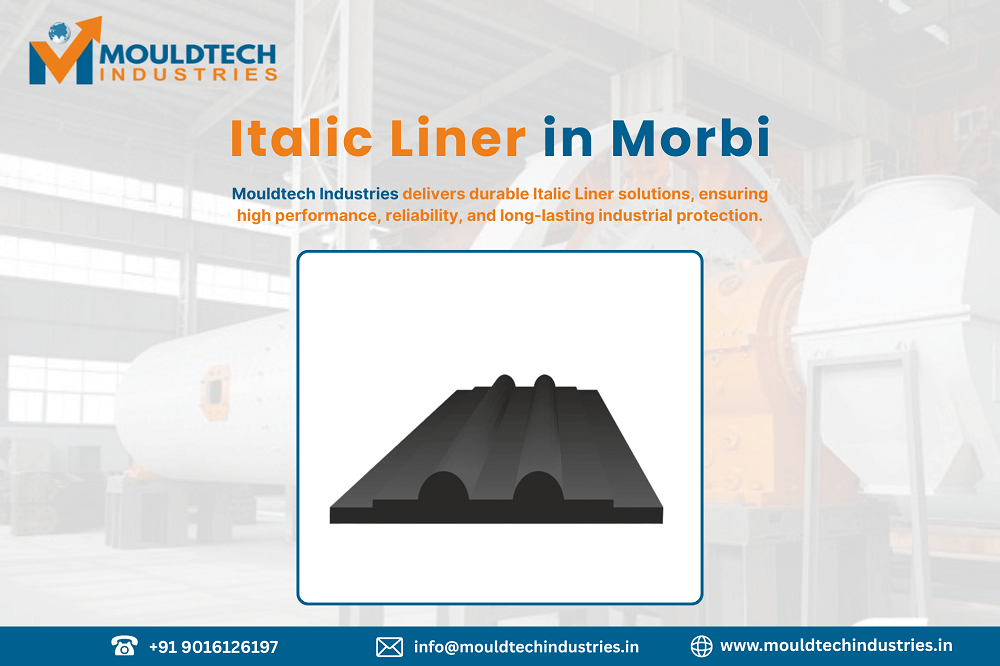
Mouldtech Industries is a Manufacturer of Italic Liner in Morbi.
Our Manufacturing Unit is in Vadodara, Gujarat, India.
Mouldtech Industries is a Manufacturer of Bridge Rubber Pad, Ball Mill Rubber Lining, Bridge Rubber Pad, Resistant Rubber Liner, Embedded Rubber Liners, Conveyors Solutions, Ceramic Lagging Sheet, Belt Cleaners, Bridge Rubber Pad, Ceramic Rubber Lagging Services, and Ceramic Rubber Lagging Sheet.
Italic Liner: Engineering Asset Preservation for Tough Industrial Settings
Introduction
In severe-duty industrial settings such as mineral extraction, cement production, metal fabrication, ceramics processing, and the handling of bulk goods, equipment dependability is paramount to facility output. Constant exposure to abrasive substances, heavy impact forces, dampness, and harsh operational scenarios hastens the deterioration of key parts. When wear mitigation systems fail to perform, the outcome is frequent outages, safety hazards, and soaring upkeep expenditures.
Across worldwide industrial sectors, there’s mounting pressure to boost operational effectiveness while extending asset lifespan. Facility supervisors and maintenance crews are tasked with achieving greater output with fewer interruptions, often amid difficult material transit circumstances.
Italic Liner assemblies are crucial in managing these realities. Whether installed in rotary mills, chutes, storage bins, conveyance systems, or processing machinery, thoughtfully designed liners help protect valuable assets, maintain steady operations, and reduce unforeseen downtime. Their significance is growing as industrial sites adopt extended service intervals and tighter safety mandates.
Industrial Hurdles Driving Demand for Italic Liner
Industrial functions encounter several persistent difficulties that render wear shielding a necessity rather than an option.
Friction is among the most prevalent issues. Ores, pulverized rock, slag, coal, and ceramic feedstocks continuously scour metal surfaces. Over time, unchecked surface erosion leads to thinning, warping, and eventually hardware failure.
Impact pressures represent another major worry. In mining and bulk-handling tasks, sizable material chunks repeatedly strike liners, transmitting substantial kinetic energy to equipment casings. Without suitable dampening, structural harm develops rapidly.
Corrosion becomes critical in wet-processing environments, in chemical exposure, or in coastal industrial zones. Corrosive degradation often accelerates mechanical wear, further shortening component service life.
Outage durations and maintenance outlays are directly tied to wear performance. Seasoned plant engineers often observe that frequent liner exchanges disrupt production schedules and increase personnel exposure to hazardous zones.
These difficulties are not confined to a single region. From iron ore transport lines and cement complexes to ceramic centers and port-based terminal facilities, global industrial settings require resilient, context-specific lining remedies.
What is an Italic Liner?
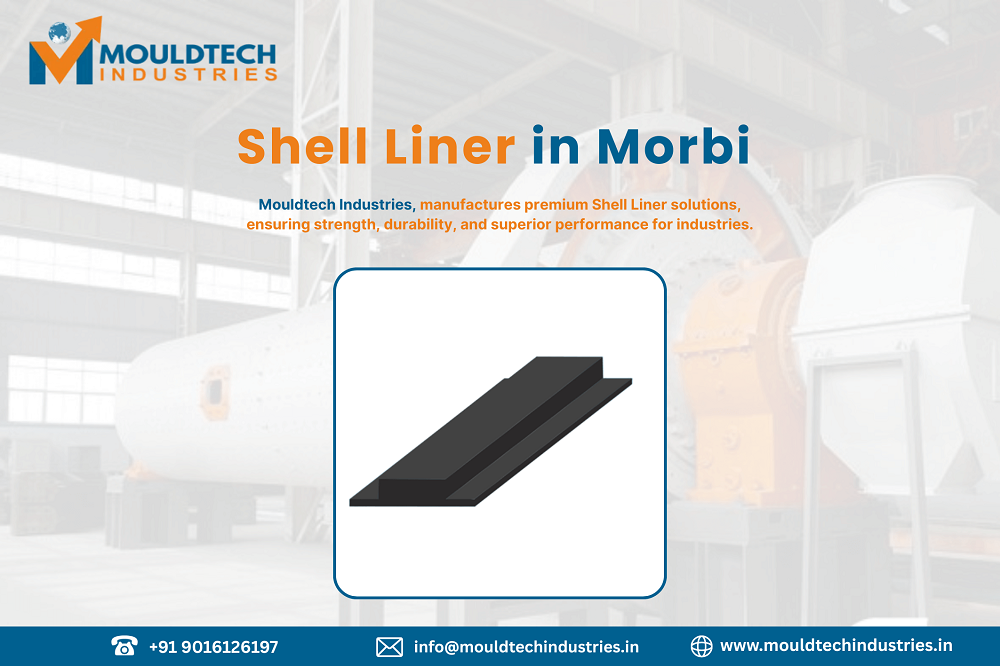
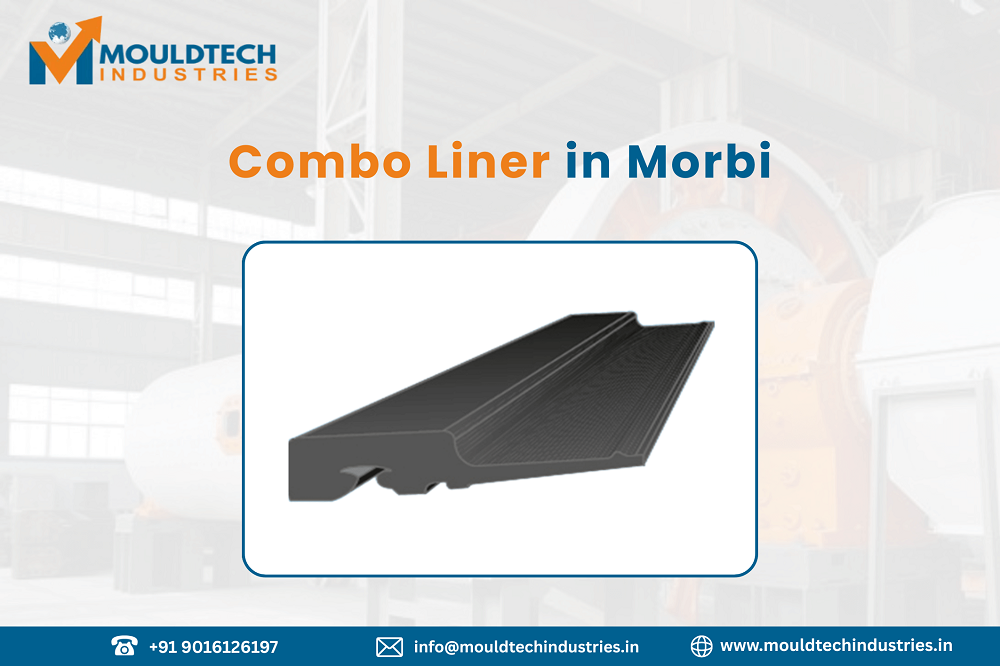
Italic Liner denotes custom-engineered protective coverings meant to shield industrial apparatus from rubbing, impact, and chemical attack. Per operational mandates, these linings may be fabricated from elastomeric, ceramic, or composite materials.
Unlike primary structural elements, liners are intended to be expendable. Their function is to absorb destructive forces while safeguarding the underlying apparatus. Correctly chosen liners also influence how materials flow, noise output, and energy use within processing units.
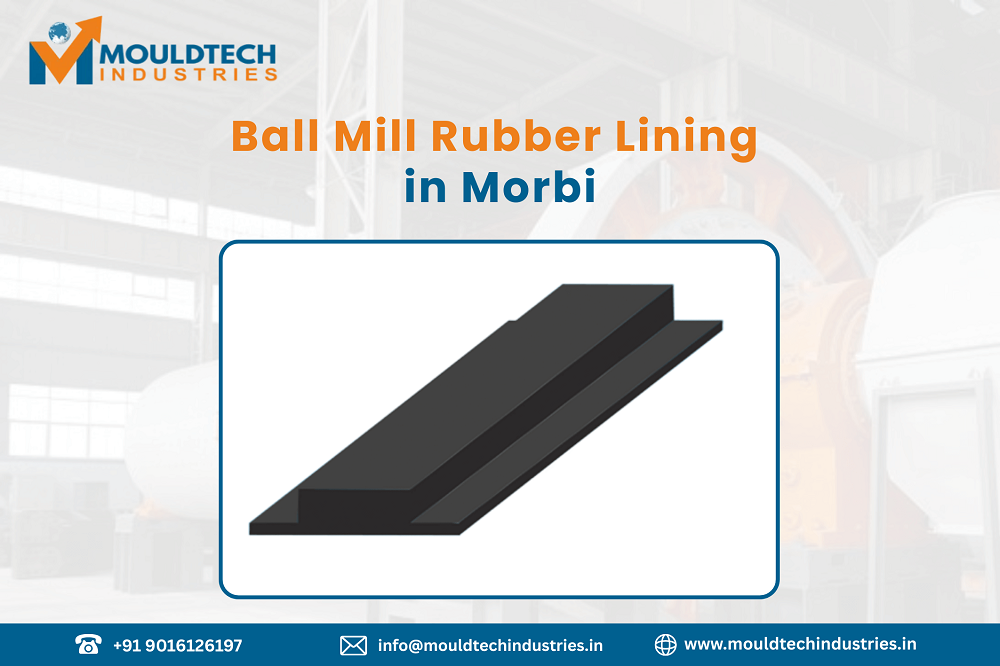
From rubber linings for rotary mills to rigid ceramic wear plates and conveyance aids, Italic Liner solutions are tailored to the specific operating context rather than applied as generic parts.
Deployment Across Sectors
- Mining: In mineral extraction and metal refinement, liners are deployed in rotary mills, gravity feed chutes, storage bunkers, cyclones, and slurry conduits. They offer protection against abrasive ores and the shock from oversized feed material.
- Cement Facilities: Cement making relies on liners in raw mills, pulverized fuel mills, clinker conveyance systems, and transfer junctions where dusty abrasives and high temperatures accelerate material loss.
- Metal & Steel Works: Steel mills use liners in sinter plants, blast-furnace feeding mechanisms, material vaults, and conveyors to handle high-impact, high-heat materials.
- Ceramic Manufacturing: Producers of ceramics require wear protection in mills, blenders, and material transport lines, where fine particulates cause rapid surface breakdown.
- Power Generation Sites: Thermal power stations depend on liners in coal-handling networks, storage silos, and byproduct management equipment to ensure uninterrupted operation.
- Bulk Material Transit: Ports, depots, and processing terminals employ liners on conveyors, guides, belt scrapers, and transition points to enhance the smoothness of conveyance and reduce spillage.
Material Properties & Engineering Judgments
The efficacy of Italic Liner systems rests upon material science principles.
Elastomeric traits like flexibility, resiliency, and resistance to tearing enable rubber linings to cushion kinetic energy while resisting abrasion. Rubber’s damping qualities also help minimize vibration and noise.
Ceramic compounds offer superior hardness and resistance to erosion. Alumina-based ceramic sections are frequently employed where sliding friction is the primary mode of wear. Nevertheless, ceramics necessitate proper adhesion and backing to handle shock loads effectively.
Wear resistance philosophy involves balancing firmness with robustness. Complex substances resist scratching but might fracture under impact, whereas softer substances dissipate force but might degrade faster under sliding friction.
Producers with extensive sector history understand that selecting a liner is not about choosing the most rigid material, but about aligning material behavior with the working environment.
Design & Tailoring Needs
An effective lining operation relies heavily on geometric suitability.
- Machinery contours must be factored in to guarantee linings seat properly without crevices that permit material intrusion.
- Bespoke dimensions are often necessary for rotary mills, chutes, and conveyors where off-the-shelf sizes are unsuitable.
Context-specific design parameters include particle dimensions, vertical descent distance, flow velocity, thermal range, and humidity levels. Liners designed without these considerations often fail prematurely, regardless of the excellence of the substance.
Fabrication Excellence & Control Methods
Precise manufacturing is vital for dependable lining outcomes.
Regulated blending of rubber compounds, accurate placement of ceramic tiles, and uniform hardening methods help ensure consistent quality. Exactness in measurement is crucial to prevent onsite assembly issues.
Consistency between production lots, component tracking, and recorded verification steps enables industrial procurement teams to anticipate consistent performance across multiple procurement cycles.
Fitting & Servicing Concerns
The simplicity of direct mounting directly impacts shutdown duration.
Well-conceived Italic Liner arrangements utilize modular layouts, established fastening techniques, and clear sequential procedures. This shortens the time spent in enclosed areas and improves worker safety.
Service intervals are optimized when linings degrade evenly and predictably, allowing scheduled downtime rather than emergency fixes.
Safety & Operational Assurance
Safety is closely linked to wear shielding.
Liners mitigate the likelihood of structural collapse, material escape, and spontaneous malfunctions. Rubber linings, notably, help lower acoustic levels and oscillation, enhancing the working environment near heavy apparatus.
Dependable linings contribute to overall facility stability, easing maintenance teams’ strain and fostering greater operational assurance.
Financial Prudence Across Asset Life
Although linings are considered disposable, their impact on total lifetime expenses is considerable.
Fewer outages, extended equipment operating years, and optimized service windows result in demonstrable financial savings over time. The actual value of Italic Liner systems lies in minimizing interruptions rather than reducing the initial replacement frequency.
Export Preparedness & Worldwide Acceptance
Buyers across global venues anticipate thorough documentation, material lineage data, and compliance with quality benchmarks.
Uniform production techniques, packaging integrity, and application guides back export-ready lining systems. Worldwide adoption is founded on performance consistency rather than mere assertions.
Why Expert Fabricators Are Important
Liner performance is determined not just by the materials but by seasoned engineering insight.
Experienced fabricators grasp how linings behave under actual facility conditions. They recognize failure modes, installation hurdles, and servicing realities that lab testing alone cannot reveal.
Assured supply, technical backing, and application proficiency become essential when facilities operate under tight production schedules.
About Mouldtech Industries
Mouldtech Industries is a seasoned fabricator specializing in rotary mill elastomeric coverings, ceramic abrasion defenses, rubber coating systems, rotary mill rubber components, and conveyance aids. Serving all of India, the company supports industrial activities across every Indian state and union territory, including Maharashtra, Gujarat, Rajasthan, Odisha, Chhattisgarh, Jharkhand, Karnataka, Tamil Nadu, Andhra Pradesh, Telangana, West Bengal, Madhya Pradesh, Uttar Pradesh, Punjab, Haryana, Himachal Pradesh, Uttarakhand, Kerala, Bihar, Assam, and primary industrial centers such as Ahmedabad, Surat, Vadodara, Rajkot, Mumbai, Pune, Nagpur, Raipur, Bhilai, Rourkela, Jamshedpur, Dhanbad, Kolkata, Chennai, Coimbatore, Salem, Bengaluru, Hyderabad, Visakhapatnam, Vijayawada, Ballari, Bellary, Hospet, Alwar, Kota, Jaipur, Udaipur, and numerous others.
With experience across varied operational settings, Mouldtech Industries concentrates on practical, deployment-focused lining solutions for the Indian and international industrial arenas. Additional material is discoverable at https://www.mouldtechindustries.in/.
Conclusion
Italic Liner systems serve a crucial function in safeguarding apparatus, stabilizing processes, and supporting long-term facility effectiveness. Across the mining, cement, metalworking, ceramic, and bulk goods sectors, expertly conceived linings mitigate wear-related dangers and improve maintenance predictability.
Key Highlights
- Durable wear solutions extend equipment lifespan and dependability
- Rubber and ceramic linings target distinct industrial abrasion types
- Tailored design is vital for optimal liner functionality
- Appropriate linings minimize interruptions and upkeep needs
- Liner frameworks uphold worldwide industrial operational benchmarks
Trending FAQs
1. What is the typical lifespan of an Italic Liner?
Lifespan depends on material type, operating conditions, and application severity. Properly selected liners offer predictable wear cycles.
2. Are Italic Liners suitable for high-impact applications?
Yes, rubber and composite liners are commonly used where impact absorption is required.
3. How often do liners require maintenance or inspection?
Inspection intervals are usually aligned with plant maintenance schedules and material throughput levels.
4. How do rubber liners compare with ceramic wear solutions?
Rubber liners handle impact better, while ceramic liners offer superior abrasion resistance under sliding conditions.
5. Are these liners used in global industrial operations?
Yes, similar liner systems are widely used across the mining, cement, and bulk-handling industries worldwide.
Contact us today to discuss your industrial wear protection requirements with our engineering team and get reliable, application-specific solutions for demanding operating environments.
#ItalicLiner #WearProtectionSolutions #BallMillLiner #RubberLiners #CeramicWearTiles #RubberLining #MiningSolutions #CementIndustry #MetalProcessing #BulkMaterialHandling #IndustrialEquipment #MouldtechIndustries