

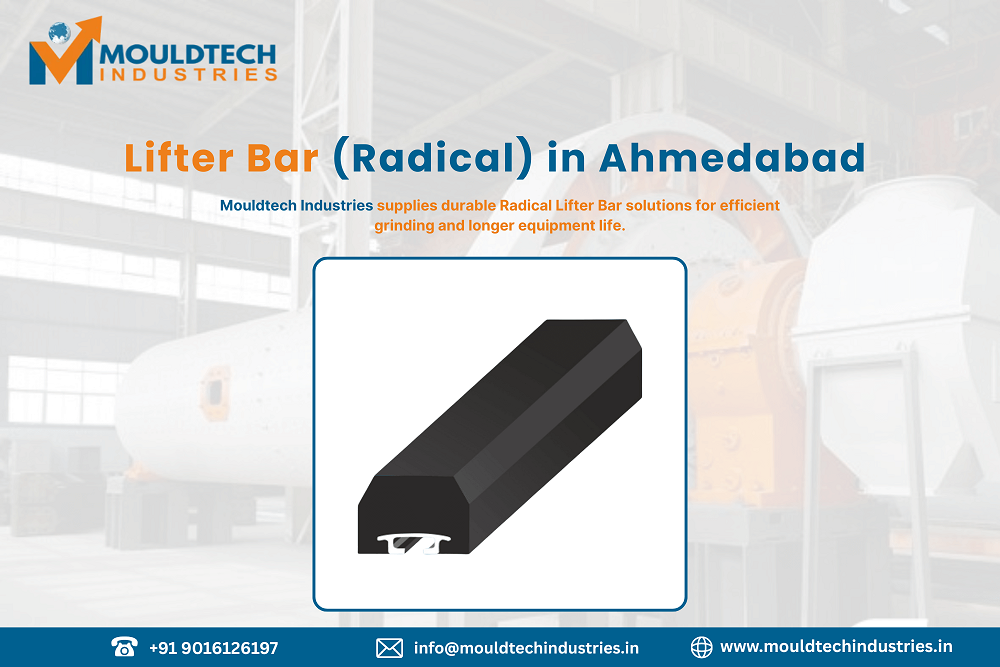
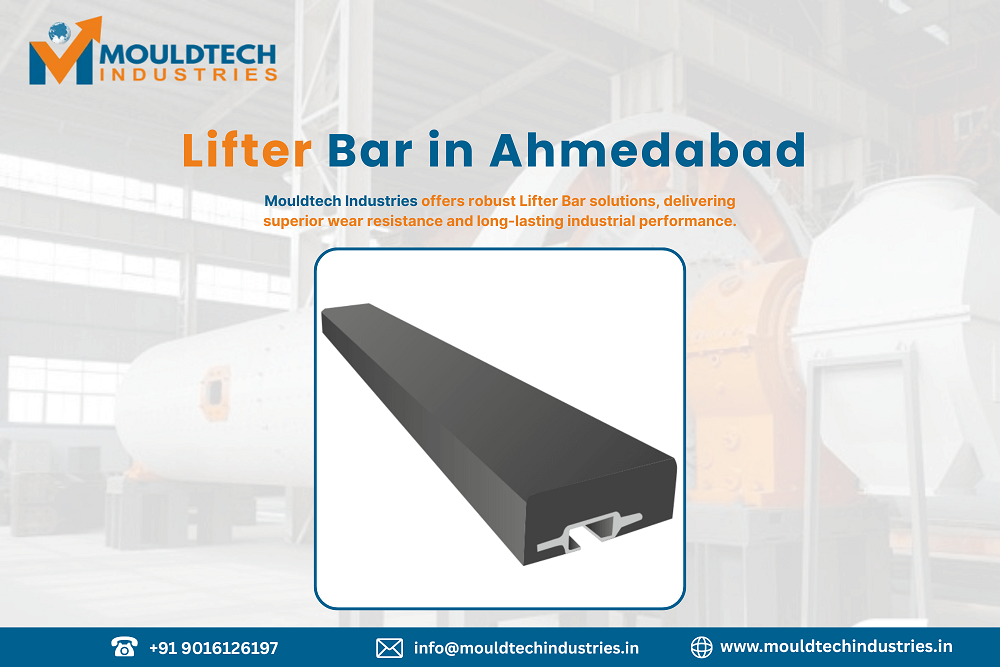
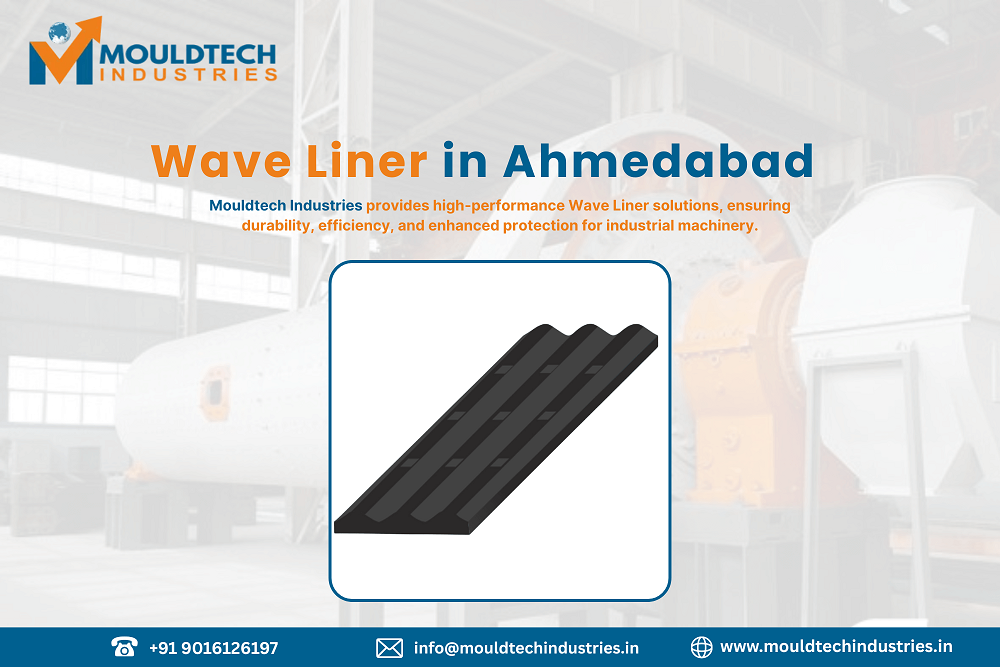
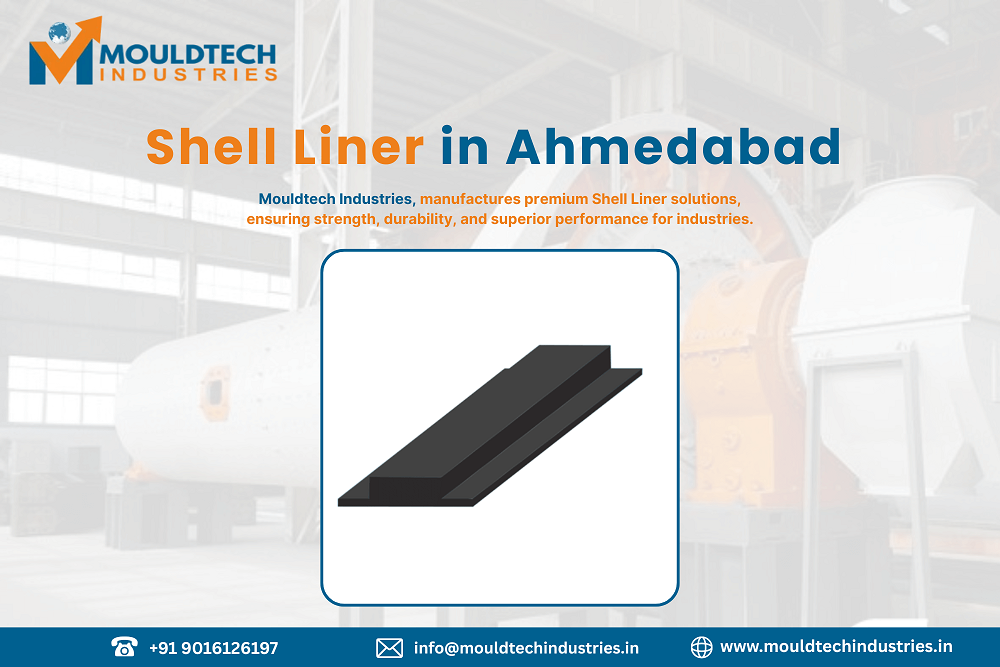
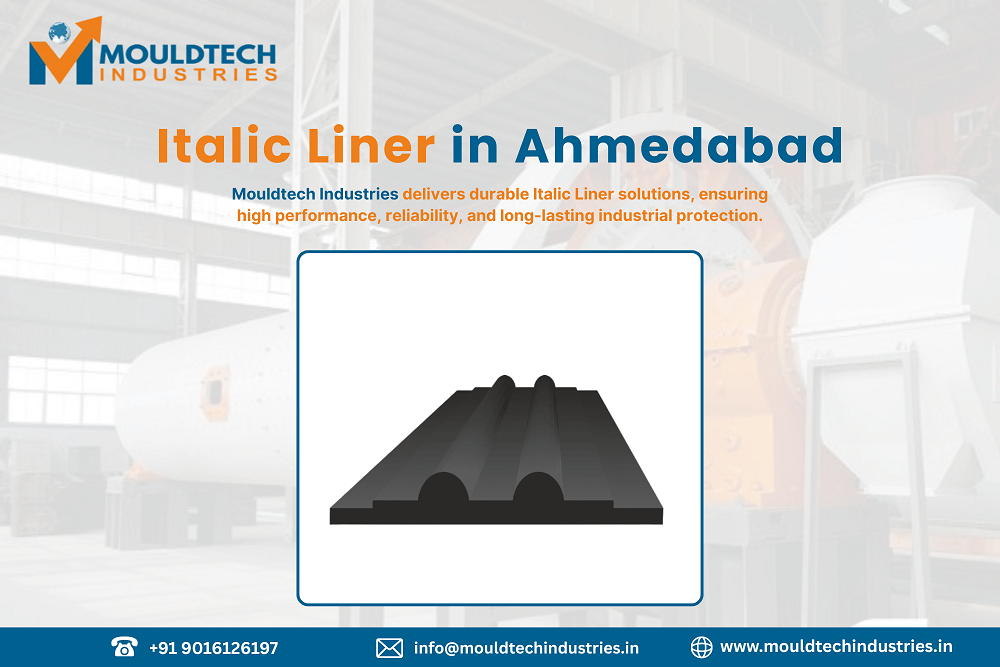
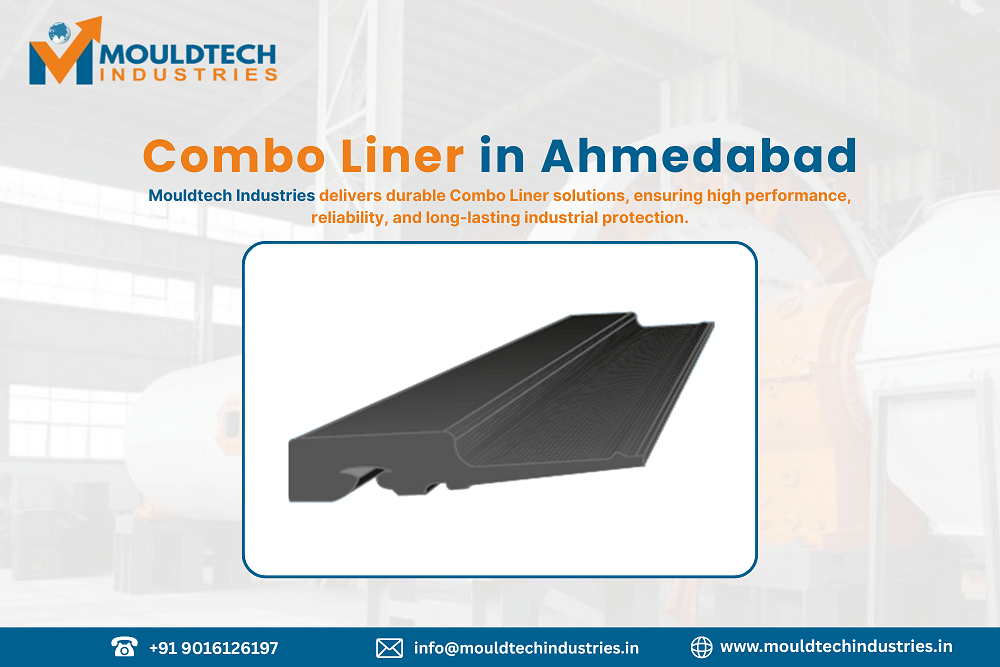
Italic Liner Manufacturer, Supplier, And Exporter in India: Mouldtech Industries
Mouldtech Industries is a Manufacturer of Italic Liner in Ahmedabad.
Our Manufacturing Unit is in Vadodara, Gujarat, India.
Mouldtech Industries is a Manufacturer of Ball Mill Solutions, Ball Mill Rubber Lining, Wear Protection Line, Resistant Rubber Liner, Embedded Rubber Liners, Conveyors Solutions, Diamond Pulley Lagging, Belt Cleaners, Pulley Lagging, Ceramic Rubber Lagging Services, and Ceramic Rubber Lagging Sheet
Italic Liner: Practical Surface Defence for Demanding Industrial Settings
Introduction
In sectors such as mining, metal shaping, cement production, ceramics manufacturing, and bulk material handling, machinery is subjected to constant mechanical strain. Abrasive ores, sharp clinker fragments, high-heat sinter, and hard ceramic dust all hasten deterioration on slides, grinders, storage containers, conduits, and transport systems. In severe industrial environments, this wear not only damages parts but also directly impacts facility dependability, personnel security, and operational continuity.
Throughout India, from resource extraction zones in Odisha and Jharkhand to cement production centres in Rajasthan and Andhra Pradesh, and ceramic-making hubs in Gujarat and Morbi, site teams confront similar realities: unscheduled stops, rising repair demands, and shorter equipment lifespans. Global market pressures on metals, cement, and ceramics also require plants to operate for more extended periods with fewer interruptions.
Italic Liner solutions—encompassing rubber liners for ball mills, ceramic wear defence options, rubber coating systems, rubber elements for ball mills, and conveyor support—have emerged as a practical answer to these difficulties. Their function is not about boosting output via claims of “miracle performance,” but about safeguarding equipment surfaces so facilities can run more reliably and securely.
Industrial Stresses Driving the Need for Italic Liner
The requirement for industrial surface defence is driven by several recurring issues seen in mining, cement, steel, ceramics, and bulk handling operations globally:
- Abrasion: Steady sliding of ore, clinker, residue, and ceramic dust gradually removes the underlying metal. Even hardened steels show gradual thinning in high-speed areas.
- Impact Loads: Heavy items dropping into slides or mills produce concentrated strikes that fracture liners and deform metal casings.
- Corrosion: In wet processing, chemical action combined with scraping speeds up material loss.
- Outages: When liners fail too soon, disruptions derail production schedules. In resource extraction and metal refining, even a brief halt can cause issues through crushing, grinding, and subsequent handling circuits.
- Repair Expenses: Repeatedly swapping worn liners increases personnel exposure, spare parts consumption, and safety hazards.
These difficulties are universal. Similar wear patterns appear in resource operations across Australia, South Africa, and South America, as well as in cement and ceramic centres throughout Southeast Asia and the Middle East. The demand for reliable surface protection reflects a global industrial landscape.
Defining Italic Liner
Italic Liner denotes engineered protective components crafted from rubber, ceramic materials, or combined systems intended to coat the inner surfaces of industrial apparatus. These linings function as expendable barriers that absorb wear and impact, safeguarding the main structure of mills, slides, containers, pipelines, and conveyors.
Practically speaking, they are replacement surfaces shaped to fit the equipment’s contours. Their objective is simple: to sustain the wear rather than the equipment itself. Seasoned facility supervisors often observe that when liners are correctly chosen, equipment casings and frames exhibit substantially less damage over extended use.
Industry-Specific Uses
- Mining: Utilised in ball mills, slurry pipes, transfer slides, and cyclones to manage scraping from ore and sediment.
- Cement: Applied in raw mills, clinker slides, hoppers, and preheater ducts where forceful impacts and high-heat material movement cause rapid degradation.
- Metal & Steel: Fitted in sinter plant slides, ash conveyance lines, and slag transfer points to lessen steel erosion.
- Ceramic Manufacturing: Ceramic dust and tiles are abrasive to metal surfaces; liners shield mixers, conveyors, and storage units in ceramic concentration areas such as Morbi and nearby locales.
- Power Plants: Coal handling systems and ash slurry routes benefit from rubber and ceramic wear defence to manage surface erosion.
- Bulk Material Handling: Conveyor loading spots, belt transition points, and containers rely on liners to manage impact force and sliding wear.
Material Science & Engineering Aspects
The effectiveness of Italic Liner relies on material selection and structural design rather than generalised claims.
- Rubber characteristics: Rubber linings provide flexibility and elasticity. They absorb impact energy, reducing casing strain and operational noise. Their resistance to wear hinges on compound formulation and filler choices.
- Ceramic rigidity: Ceramic pieces offer high hardness and defence against sliding abrasion. They suit areas of heavy wear with predictable material flow.
- Wear resistance concepts: Abrasion is affected by particle size, hardness, speed, and contact angle. Engineers map wear zones to pair liner materials with local site conditions.
- Impact absorption: Rubber-backed ceramic combinations blend rigidity with cushioning, helping manage both wear and impact.
This scientific approach ensures liners are chosen based on operational contexts, rather than blanket assumptions.
Design & Customisation Needs
Industrial machinery seldom shares identical forms across different facilities. Effective lining systems require:
- Equipment conformity: Liners must align with mill diameters, slide inclinations, and conveyor outlines.
- Tailored sizing: Pre-manufactured forms minimise on-site cutting and adjustments.
- Use-specific design: High-impact zones might employ heavier rubber or composite linings, while sliding paths utilise ceramic units.
Producers with extensive industry background recognise that design oversights at this phase lead to early failure and complex fitting procedures.
Manufacturing Quality & Process Control
Liner performance is closely tied to manufacturing rigour:
- Accurate production: Consistent shaping and tile placement guarantee uniform thickness and fit.
- Vetting procedures: Measuring inspections, testing the adhesive strength for ceramic-rubber composites, and batch record-keeping aid in managing inconsistencies.
- Batch uniformity: Process management reduces property variations between liner sets, supporting dependable maintenance scheduling.
Fitting & Servicing Notes
Ease of installation impacts facility downtime:
- Simple assembly: Pre-formed liner modules reduce hot work and exposure to tight spaces.
- Reduced stoppage: Thoughtful mounting systems shorten the time needed for replacement.
- Service intervals: Predictable wear patterns allow for planned liner renewal during scheduled shutdowns.
Experienced facility managers often note that unsuitable liner fits or vague assembly guidelines can double the time spent on maintenance, thereby increasing risk.
Safety & Operational Dependability
Surface defence has a direct bearing on safety:
- Personnel well-being: Lining systems that minimise the need for frequent maintenance visits reduce exposure to confined spaces and heavy lifting.
- Equipment safeguarding: Protecting casings and frames prevents structural compromise.
- Facility continuity: Stable liner function supports predictable operating campaigns.
Value Over Component Lifespan
True cost-effectiveness comes from uninterrupted operation, not just initial low spending:
- Extended savings: Fewer shell repairs and minimised unscheduled downtime.
- Downtime reduction: Pre-scheduled lining exchanges integrate smoothly into upkeep routines.
- Maintenance refinement: Better wear-pattern analysis enables targeted parts replacement rather than complete rebuilds.
Export Readiness & Worldwide Acceptance
Industrial purchasers anticipate:
- Export documentation: Adherence to material certifications, testing evidence, and full traceability.
- Standards familiarity: Knowledge of global industry benchmarks for rubber and ceramic parts.
- Global purchaser needs: Uniform packaging, consistent marking, and preparedness for international shipment.
Facilities acquiring linings for overseas projects seek suppliers adept at these requirements.
The Importance of Seasoned Producers
Engineering acumen and practical field experience determine lining dependability. Manufacturers with extensive industry history grasp failure mechanisms across mining, concrete, ceramics, and metalworks. Consistent supply and technical backing enable facilities to plan maintenance across numerous outage cycles.
Regarding Mouldtech Industries
Mouldtech Industries is a seasoned manufacturer supporting Pan India and worldwide industrial sectors with ball mill rubber linings, ceramic wear defences, rubber overlay systems, rubber products for ball mills, and conveyor solutions. The firm’s engineering philosophy reflects actual plant conditions over abstract product positioning. Further details are found at 👉 https://www.mouldtechindustries.in/
Summary
Italic Liner systems offer tangible benefits in boosting equipment defence and operational predictability within heavy industry sites. In extraction, metallurgy, cement, ceramic, and bulk material handling, appropriately designed wear defence promotes safer service practices, longer equipment utilisation, and more stable production planning. For site personnel, dependable function trumps mere claims. Assessing lining design, material choices, and manufacturing quality remains vital for sustained site efficiency.
Core Points
- Wear defence advantages: Linings absorb impact and friction before the equipment suffers harm.
- Operational consistency: Reliable lining life enables planned maintenance activities.
- Sector applicability: Relevant across mining, cement, steel, ceramics, and bulk handling.
- Durability focus: Material composition and design dictate service tenure.
- International industry relevance: Export-compliant lining assemblies satisfy worldwide facility expectations.
Current Inquiries
1. What is the usual service life for an Italic Liner in mining settings?
Service duration differs based on ore rigidity, impact severity, and operational hours. In mining and metal processing, lining replacement timing is typically determined by monitoring wear rather than by fixed schedules.
2. Are these linings appropriate for both wet and dry processes?
Affirmative. Rubber linings excel in damp settings, while ceramic and composite options are used in dry areas where abrasion is severe. Selection hinges on material flow characteristics and corrosive conditions.
3. How frequently should the lining condition be examined?
Standard visual checks during scheduled maintenance stoppages are typical. Areas experiencing heavy wear warrant closer scrutiny to prevent unexpected exposure of the base material.
4. What are the practical differences between rubber and ceramic wear solutions?
Rubber excels at absorbing shock and dampening sound; ceramics provide superior resistance to abrasive wear. Many sites utilise a combination of both to balance impact dampening with wear longevity.
5. Are these lining systems utilised globally?
Indeed. Mining, cement, and bulk-handling sites worldwide deploy comparable lining concepts, addressing shared wear challenges across industrial regions.
For expert guidance on Italic Liner solutions, contact Mouldtech Industries today. Reach out to our team to discuss installation, customisation, and maintenance support across all industrial sectors.
#ItalicLiner #BallMillRubberLiner #CeramicWearProtection #RubberLiningSystems #BallMillRubberProducts #ConveyorSolutions #MouldtechIndustries #IndustrialWearProtection #HeavyDutyLiners