
Rubber Plug Manufacturer, Supplier, And Exporter in India: Mouldtech Industries
Mouldtech Industries is a Manufacturer of Rubber Plug in Morbi.
Our Manufacturing Unit is in Vadodara, Gujarat, India.
Mouldtech Industries is a Manufacturer of Bridge Rubber Pad, Ball Mill Rubber Lining, Bridge Rubber Pad, Resistant Rubber Liner, Embedded Rubber Liners, Conveyors Solutions, Ceramic Lagging Sheet, Belt Cleaners, Bridge Rubber Pad, Ceramic Rubber Lagging Services, and Ceramic Rubber Lagging Sheet.
Rubber Plugs: A Vital Component for Shielding Equipment in Tough Industrial Settings
Introduction
Industries like mining, metal working, cement production, ceramics, and bulk material handling face some of the most severe mechanical challenges on the industrial scene. Constant material movement, abrasive ores, heavy impacts, chemical contact, and long operating times put immense strain on equipment surfaces. In time, unchecked wear leads to frequent failures, unexpected halts, and escalating repair expenses.
In demanding industrial settings, wear defense isn’t an optional extra—it’s a fundamental necessity for keeping equipment running reliably and ensuring workplace safety. As global output rises and facilities aim for greater throughput with shorter maintenance windows, the need for robust, specifically designed wear solutions keeps growing across Pan India and major industrial zones globally.
In this context, the Rubber Plug has surfaced as a crucial yet often overlooked industrial part. Made to safeguard equipment openings, fastener points, and sensitive wear areas, rubber plugs serve a key function in lengthening equipment lifespan, minimizing material getting in, and supporting steady plant operation.
This piece explores rubber plugs from a practical engineering viewpoint—concentrating on their importance, how they work, and where they add value across different industrial uses.
Industrial Issues Driving the Need for Rubber Plugs
In mining, cement, metal, and ceramic plants, similar operational hurdles are frequently seen:
- Abrasion: Constant contact with abrasive substances like iron ore, limestone, clinker, coal, and ceramic powders progressively wears down exposed metal surfaces.
- Impact Forces: Drop zones, transfer points, and rotating machinery endure repeated impact loads that worsen fatigue and surface damage.
- Corrosion: Moisture, chemicals, and process water introduce corrosion risks, especially when handling slurries and in wet crushing processes.
- Downtime Pressure: Unscheduled stoppages disrupt production plans and considerably raise operating expenses.
- Maintenance Expense: Frequent swapping of worn parts increases the need for spare parts inventory and labor hours.
Seasoned plant operators often notice that small, exposed openings or fastening points become early areas of failure. Rubber plugs help counter these weak spots by offering a flexible, wear-resistant barrier that adapts to changing industrial conditions.
What Constitutes a Rubber Plug?
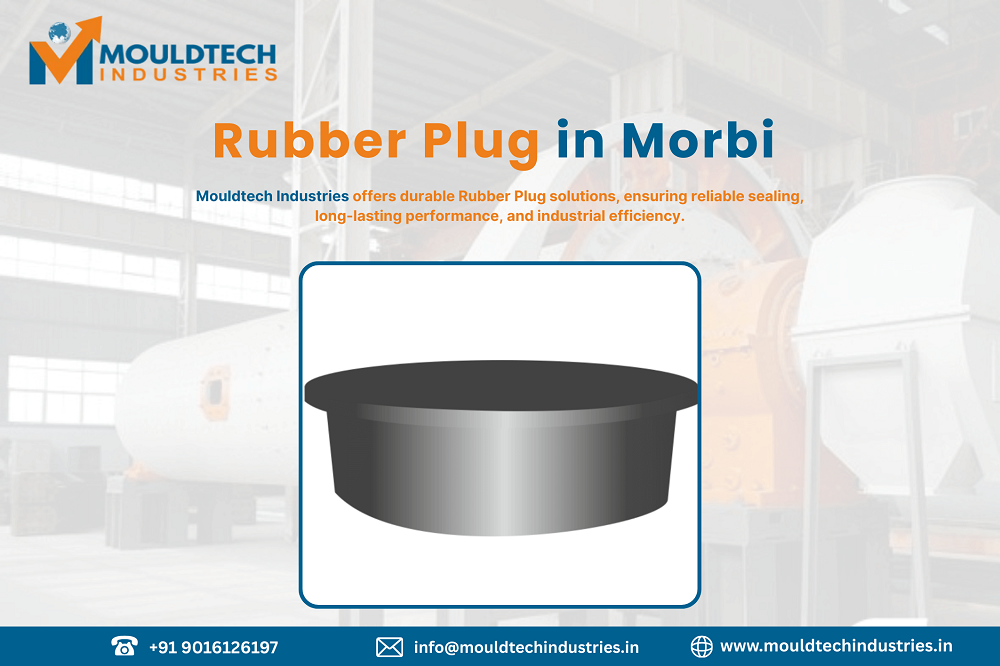
A Rubber Plug is a molded elastomer part intended to seal, shield, or cushion exposed apertures, bolt apertures, liner fixing locations, and structural gaps in industrial machinery.
From an engineering standpoint, rubber plugs fulfill three primary roles:
- Shielding: Stopping abrasive material, slurry, moisture, or dust from entering.
- Impact Mitigation: Reducing localized strain around fasteners and openings.
- Wear Management: Acting as a sacrificial layer that takes on wear instead of essential metal parts.
Unlike rigid materials, rubber plugs deform under load and regain their form, making them suitable for machinery subject to vibration, impact, and temperature shifts.
Uses Across Various Sectors
- Mining Sector: In mining and metal processing activities, rubber plugs are frequently employed in ball mills, chutes, hoppers, slurry conduits, and transfer stations. They protect liner fixing holes and reduce material leakage in high-wear zones.
- Cement Facilities: Cement grinding and material transport systems depend on rubber plugs to seal openings in mills, separators, and handling equipment exposed to clinker abrasion and dust infiltration.
- Metal & Steel Plants: Steel mills utilize rubber plugs in sinter plants, blast furnace support systems, and raw material handling machinery where vibration and heat stress are constant.
- Ceramic Production: Ceramic plants dealing with feldspar, quartz, and alumina powders gain from rubber plugs that minimize contamination and wear in mixers, mills, and conveying systems.
- Power Stations: Coal handling setups, ash pipes, and auxiliary machinery use rubber plugs to prevent material entry and maintain structural integrity.
- Bulk Material Handling: Conveyor transfer points, feeders, and loading chutes rely on rubber plugs to protect vulnerable fixing points and boost equipment lifespan.
Material Science & Engineering Aspects
The performance of a rubber plug is heavily reliant on its material composition and design.
- Rubber Characteristics: Industrial-grade rubber mixes are chosen for their elasticity, resistance to tearing, wear resistance, and chemical stability. The balance between firmness and pliability is key.
- Wear Resistance Principles: Rubber resists wear in a different manner than metal. Instead of fracturing, it soaks up energy and gradually wears down, lessening harm to underlying structures.
- Impact Absorption: Elastomers disperse impact energy, lowering stress buildup around bolt holes and structural cutouts.
- Ceramic Pairing (Where Relevant): In areas of extreme wear, rubber plugs might be used alongside ceramic wear protection systems, combining flexibility with surface resilience.
Producers with substantial industry experience recognize that the compound selection must align with operating temperature, material type, and equipment movement.
Design & Tailoring Needs
No two plants function under exactly the same conditions. Rubber plug design must take into account:
- Equipment shape and aperture clearances
- Liner thickness and how liners are fastened
- Operating heat and chemical exposure
- Ease of installation and maintenance procedures
Custom dimensions guarantee correct seating and staying power under vibration and load. Poorly conceived plugs can become loose or deform too soon, undermining their intended purpose.
Manufacturing Excellence & Process Control
Precise manufacturing is vital for consistent rubber plug quality.
Key process checks include:
- Regulated rubber mixing
- Precise molding measurements
- Consistent vulcanization (curing) cycles
- Quality assessment at the batch level
Accuracy in dimensions ensures a proper fit, while material uniformity assures predictable wear behavior over time. In industrial supply chains, consistency between production batches is crucial for scheduling maintenance.
Installation & Maintenance Factors
From a maintenance viewpoint, rubber plugs are valued for:
- Straightforward fitting needing no special instruments
- Less equipment exposure during downtime
- Compatibility with existing liner arrangements
Regular checks usually coincide with scheduled maintenance periods. When replaced preventatively, rubber plugs help stop subsequent damage to surrounding machinery.
Safety & Operational Dependability
Worker well-being and equipment trustworthiness are closely linked.
Rubber plugs contribute to:
- Reduced material spillage
- Less exposure to airborne dust
- Protection against sharp metal edges
- Enhanced equipment structural soundness
In high-energy settings, even minor protective parts play an important role in accident prevention.
Economic Value Across the Equipment Lifecycle
Although rubber plugs are small parts, their impact over the total lifespan is considerable.
They help to:
- Extend the life of liners and equipment
- Lessen unexpected shutdowns
- Optimize scheduled maintenance timings
Plant engineers assess rubber plugs not based on initial outlay, but on how effectively they shield valuable assets over the long haul.
Global Market Readiness & Acceptance
International industrial purchasers look for:
- Uniform material attributes
- Clear paperwork processes
- Precise measurements
- Design assistance tailored to the task
Rubber plug options conforming to worldwide industry benchmarks find acceptance in mining centers, ceramic hubs, and metal production areas globally.
The Value of Seasoned Producers
Components designed to resist wear are more than standard supplies.
Firms with extensive backgrounds grasp:
- Actual site working scenarios
- Observed failure patterns spanning years
- Material choices driven by the specific use case
- Dependable product availability for planned outages
This accumulated knowledge results in parts that function reliably in harsh settings.
Introducing Mouldtech Industries
Mouldtech Industries stands as a seasoned industrial maker focusing on defense against wear and systems for moving materials, covering items like rubber linings for ball mills, ceramic safeguards, rubber coating options, conveyor parts, and specialized rubber items.
Supplying all of India—reaching key industrial locales and regions spanning mining, cement, metal, ceramic, and bulk material transport sectors—Mouldtech Industries addresses both domestic and worldwide industrial needs via engineering focused on the application and standard production methods.
Further information can be found at https://www.mouldtechindustries.in/
Summary
While rubber plugs seem basic, their contribution to industrial wear management is crucial. By sealing sensitive areas, dampening shock, and limiting material entry, they aid equipment dependability and safer facility work.
In tough sectors where stoppages are expensive and equipment uptime is paramount, expertly designed rubber plug packages directly boost sustained operational performance.
Main Points to Remember
- Rubber plugs shield sensitive equipment access points
- They cushion strikes and lessen focused abrasion
- Appropriate for use in mining, cement, metal, ceramic, and energy sectors
- Promote safer procedures and streamlined upkeep
- Applicable to both the Indian and global industrial arenas
Trending FAQs
Q1. What is the typical lifespan of a rubber plug?
Lifespan depends on material type, abrasion level, and operating conditions. Inspection during routine maintenance is recommended.
Q2. Are rubber plugs suitable for high-impact zones?
Yes, elastomeric properties allow effective impact absorption when properly designed.
Q3. How often should rubber plugs be replaced?
Replacement typically aligns with liner or equipment maintenance schedules.
Q4. Rubber vs ceramic wear solutions—where does rubber plug fit?
Rubber plugs complement ceramic systems by protecting openings and flexible zones.
Q5. Are rubber plugs used globally?
Yes, they are widely used across mining, cement, and bulk handling industries worldwide.
Contact Mouldtech Industries today for reliable Rubber Plug solutions engineered for mining, cement, metal, and bulk material handling applications across India.
#RubberPlug #IndustrialRubberProducts #WearProtectionSolutions #MiningEquipmentParts #BallMillComponents #RubberLiningSystems #CeramicWearProtection #BulkMaterialHandling #ConveyorComponents #HeavyDutyIndustries #IndustrialManufacturing #MouldtechIndustries