

Ball Mill Solutions Manufacturer, Supplier, And Exporter in India: Mouldtech Industries
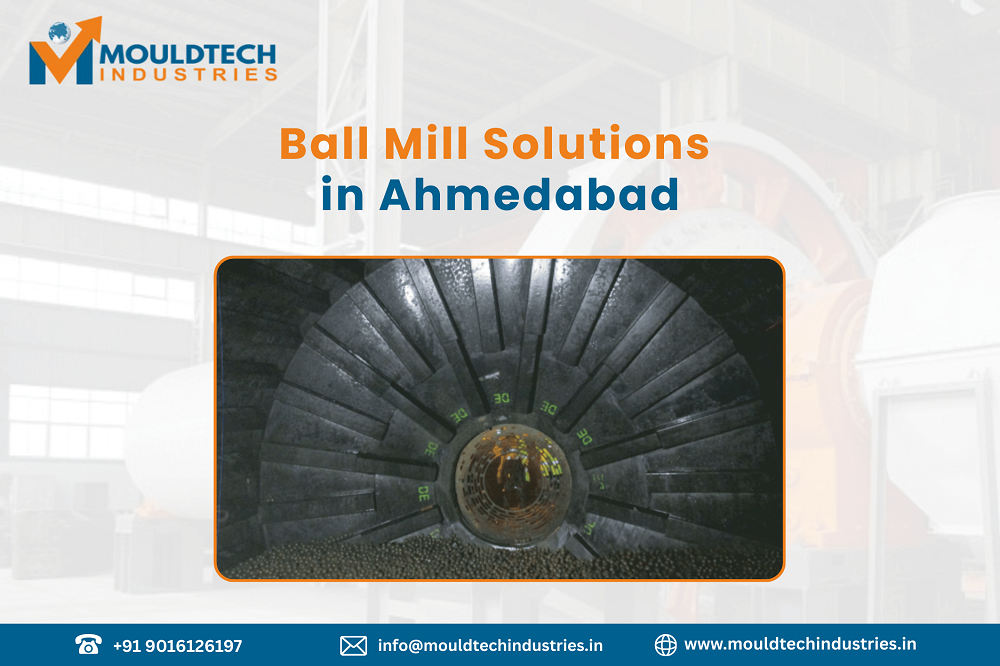
Mouldtech Industries is a Manufacturer of Ball Mill Solutions in Ahmedabad.
Our Manufacturing Unit is in Vadodara, Gujarat, India.
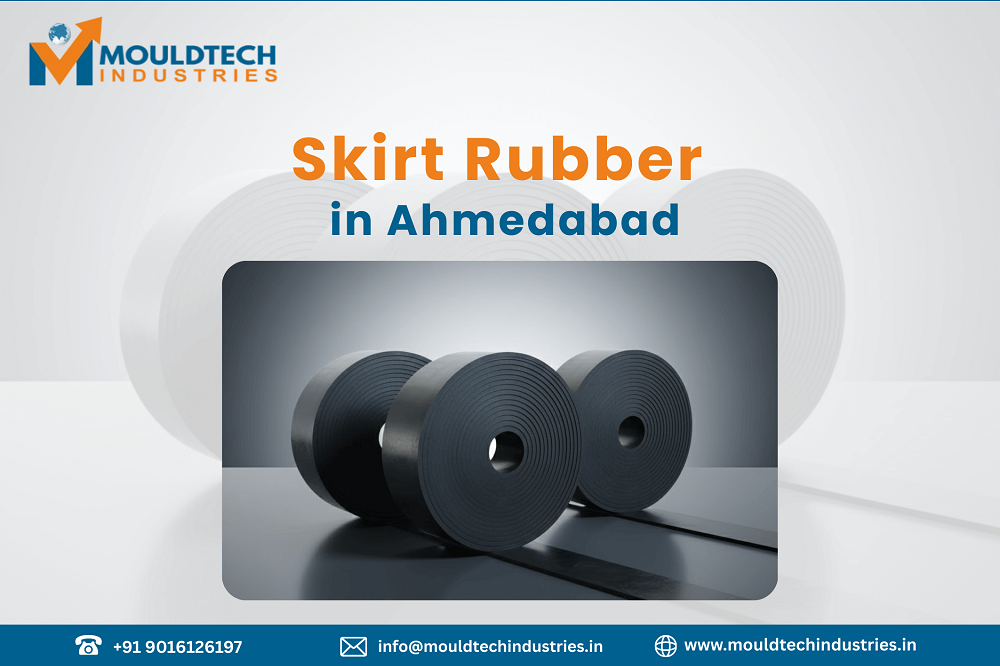
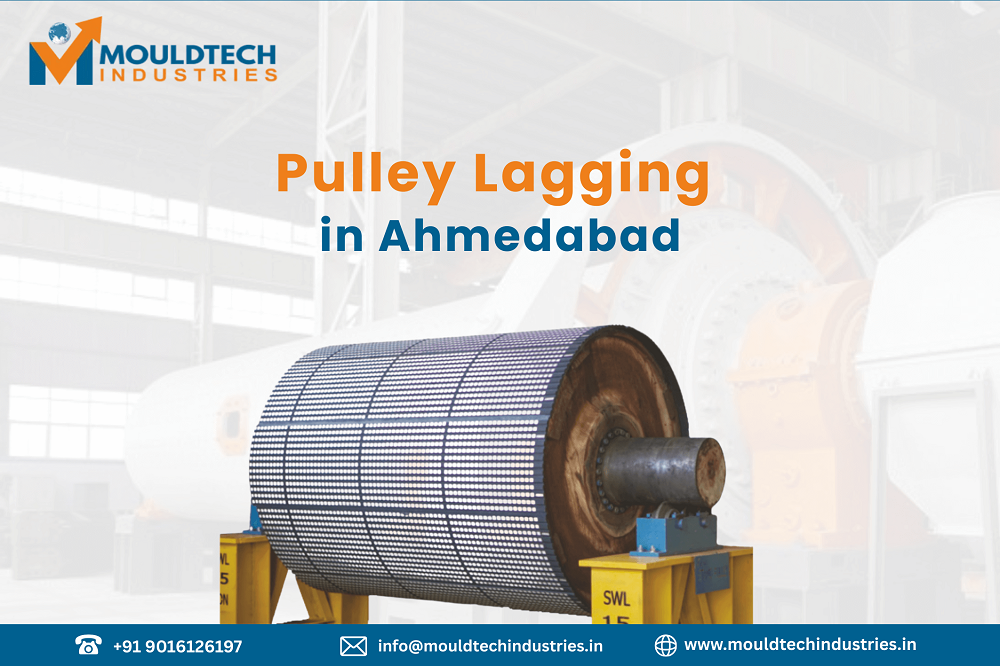
Mouldtech Industries is a Manufacturer of Bridge Rubber Pad, Ball Mill Rubber Lining, Bridge Rubber Pad, Resistant Rubber Liner, Embedded Rubber Liners, Conveyors Solutions, Ceramic Lagging Sheet, Belt Cleaners, Bridge Rubber Pad, Ceramic Rubber Lagging Services, and Ceramic Rubber Lagging Sheet.
Ball Mill Solutions: Enhanced Wear Defense for Tough Industrial Work
Introduction
Maintaining equipment reliability presents an ongoing hurdle in demanding industrial settings. Sectors such as mining, metal refining, cement production, ceramic production, and bulk material transport endure constant abrasion, collisions, and material corrosion. These operational stresses not only shorten equipment service times but also necessitate more frequent servicing and unexpected outages, causing substantial operational losses.
Therefore, wear defense has become vital for plant effectiveness. Plant supervisors and maintenance crews consistently seek methods to shield machinery while boosting output. Globally, the need for robust, dependable wear-defense mechanisms is rising, driven by expanding industrial activity in major mining centers, steel production hubs, cement complexes, and ceramic manufacturing zones.
One approach addressing these crucial requirements is Ball Mill Solutions, which incorporates rubber covers, ceramic liners, and custom wear-resistant parts engineered to enhance equipment durability across various industrial fields.
Industrial Hurdles Driving Demand for Ball Mill Solutions
Machinery in mining, cement, metal, and ceramic activities is subjected to multiple stress factors that hasten degradation:
- Friction: Constant contact with hard, sharp, and uneven materials causes surface wear on equipment parts. In grinding mills and conveyors, this abrasion directly affects the lifespan of linings and operational efficiency.
- Impact Forces: Heavy materials entering or circulating within mills generate significant collision forces on equipment surfaces, leading to material fatigue and structural damage.
- Chemical Deterioration: Water, processing agents, and residue can chemically attack metal surfaces, shortening the useful life of essential equipment elements.
- Outages: Unscheduled servicing due to wear-related failures disrupts production schedules and hurts plant profitability.
- Servicing Expenses: Repeated replacement of degraded parts incurs direct material costs, as well as indirect costs for manpower and lost output.
Seasoned plant engineers often note that proactively managing these aspects with advanced wear countermeasures mitigates operational slowdowns and extends equipment operational periods, particularly in taxing industrial settings across regions like India. Internationally, mining districts in territories such as Australia, South Africa, and Brazil require similar solutions due to comparable operational strains.
What Are Ball Mill Solutions?
Ball Mill Solutions refers to protective wear setups explicitly crafted for grinding mills, transport lines, and bulk material-handling gear. This system offering includes:
- Grinding Mill Rubber Linings: Pliable yet hard-wearing coverings that cushion impacts and lessen surface rubbing.
- Ceramic Wear Tiles: Tough ceramic tiles that provide superior resistance to surface erosion.
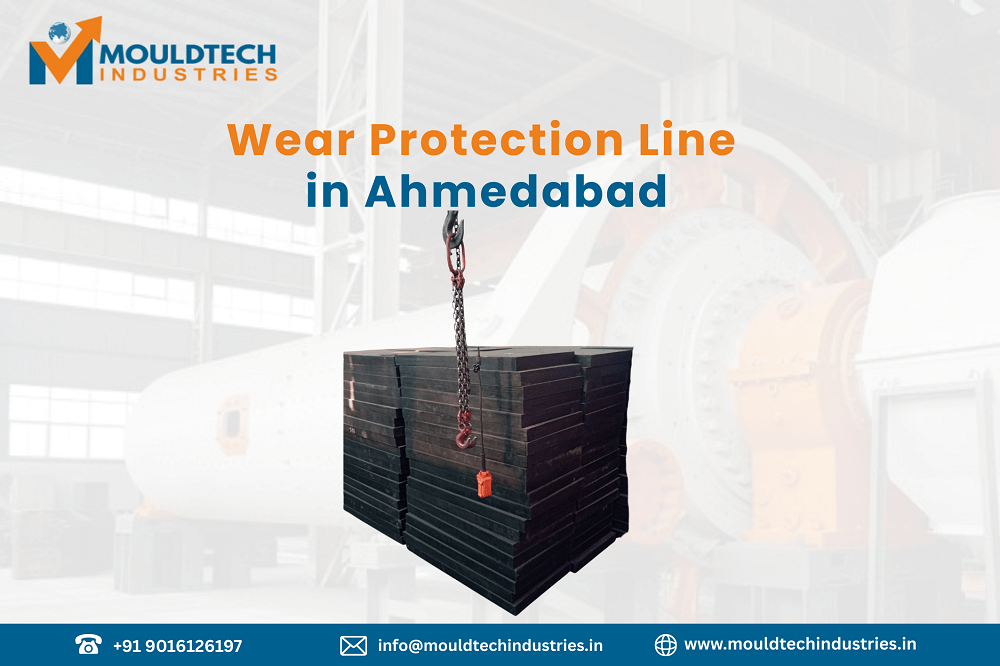
- Rubber Cladding Systems: Complete rubber covering for chutes, storage bins, and other areas experiencing high contact wear.
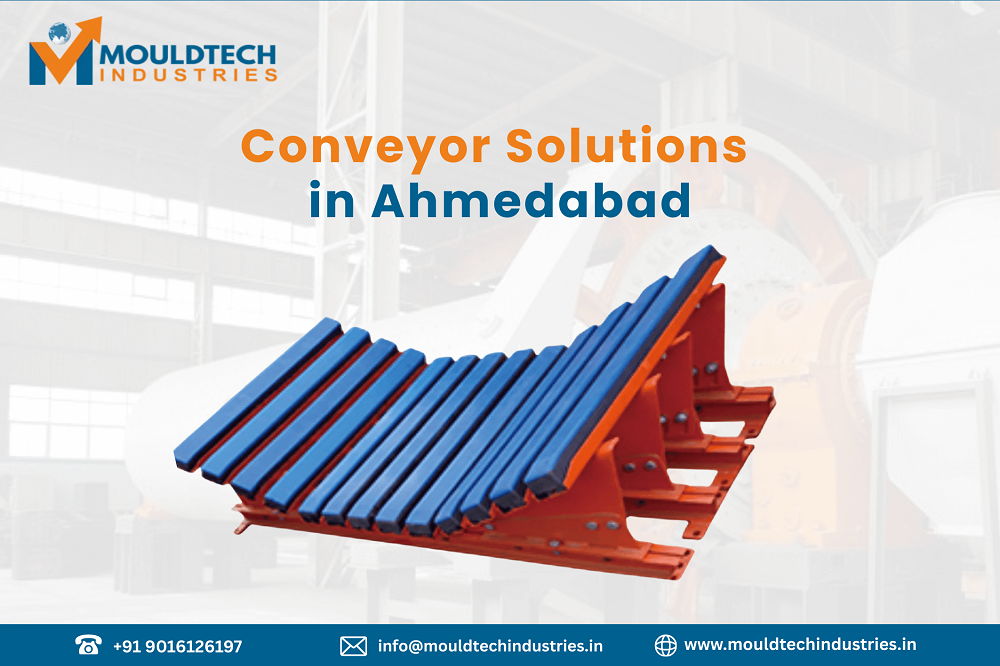
- Conveyor Defense Mechanisms: Belt scrapers, roller supports, and protective sheeting to prolong conveyor life.
In mining and metal-refining tasks, these systems are adapted to the mechanical and chemical environments of the facility. They are designed to improve operational dependability without making exaggerated performance guarantees.
Applications Across Sectors
- Mining: Mining operations involve moving ore, coal, and minerals under high-friction, high-impact conditions. Rubber linings and ceramic defense pieces protect grinding machinery, crushers, and transfer points, reducing downtime and maximizing output.
- Cement: Cement production entails grinding aggregates and raw inputs in grinding mills, where surface rubbing and impact are key concerns. Rubber-lined mills and ceramic inserts shield interior surfaces, enhance energy conservation, and reduce maintenance frequency.
- Metal & Steel: In metal handling, slag, ore, and scrap metal move at high speeds. Rubber and ceramic solutions protect grinding apparatus, storage units, and conveyor systems from accelerated wear and heat exposure.
- Ceramic: Ceramic manufacturing units process abrasive clays, glaze dusts, and frit materials. High-rigidity ceramic inserts and rubber cladding systems prevent wear in grinding mills, mixers, and hoppers, preserving component life.
- Power Stations & Material Conveyance: In coal-fired power plants and material transfer sites, wear protection ensures continuous material flow through chutes, feeders, and conveyor belts, minimizing downtime and boosting facility reliability.
Material Science & Engineering Factors
The efficacy of Ball Mill Solutions hinges on carefully chosen materials:
- Rubber Characteristics: Highly resilient, friction-resistant rubber absorbs shock, dampens vibration, and prevents surface cracking. Types such as natural, synthetic, and mixed rubbers are chosen based on load, temperature, and chemical exposure.
- Ceramic Density: Industrial ceramics deliver outstanding hardness (usually 8–9 on the Mohs scale) to fight surface wear. Tile shape and internal structure improve impact dissipation and durability.
- Wear Resistance Concepts: Merging flexible and rigid materials maximizes energy absorption and friction resistance. Experienced plant engineers often specify combined setups—rubber backing with ceramic pieces—for top-tier protection.
- Shock Absorption: Rubber coverings dissipate energy from heavy impacts, reducing stress on metal components and prolonging the apparatus’s life.
Design & Customization Needs
Industrial activities vary, meaning Ball Mill Solutions must be personalized to fit specific machinery:
- Equipment Fit: Linings and tiles are manufactured to match the precise dimensions of the mill or conveyor. Poorly fitted liners can increase wear or harm the machinery.
- Tailored Dimensions: Measurements, curves, and bolt hole arrangements are engineered for perfect alignment and secure mounting.
- Application-Specific Design: Rubber firmness, ceramic grade, and backing thickness are selected based on material flow patterns, applied load, and operating speed. Manufacturers with deep industry background grasp these subtleties and provide solutions that align with facility requirements.
Production Quality & Process Oversight
Top-tier wear defense relies on accurate manufacturing and tight quality management:
- Accurate Production: Computer-controlled cutting, shaping, and finishing guarantee consistent liner form and depth.
- Quality Vetting: Hardness, friction resistance, and shock tests confirm material performance.
- Batch Uniformity: Maintaining consistent characteristics across production runs ensures predictable function, minimizing unforeseen stoppages.
Mounting & Servicing Notes
Correct setup and upkeep are essential to maximize the value of Ball Mill Solutions:
- Simple Mounting: Segmented liner designs and pre-cut ceramic pieces streamline installation, reducing overall time and labor costs.
- Minimized Standstill: Quick exchange of degraded parts curtails production interruptions.
- Servicing Schedules: Foreseeable wear patterns enable maintenance teams to plan inspections and replacements effectively.
Safety & Operational Dependability
Within demanding industrial settings, safeguarding personnel and ensuring equipment dependability are closely linked:
- Personnel Wellbeing: Elastomer and ceramic linings reduce noise and vibration, and prevent contact with sharp metallic edges.
- Asset Defense: Abrasion-resistant linings safeguard mills, transport systems, and chutes from structural harm, averting major failures.
- Facility Uptime: Steady equipment functioning enables continuous production workflows, boosting overall operational effectiveness.
Fiscal Prudence Across Equipment Lifespan
Although the initial outlay for wear defense might seem considerable, the ensuing advantages are significant:
- Enduring Savings: Less frequent liner replacement and maintenance reduce the overall operating expense.
- Minimized Stoppages: Extended gaps between planned breaks preserve production flow.
- Maintenance Streamlining: Precise tracking of wear and tailored approaches allow for forward-looking maintenance planning, optimizing resource deployment.
Export Viability & Worldwide Acceptance
Industrial purchasers increasingly anticipate adherence to global benchmarks and proper paperwork:
- International Trading Expectations: Mill liners, ceramic inserts, and conveyance systems are shipped worldwide and meet ISO, ASTM, and client-specific requirements.
- Paperwork & Standard Compliance: Detailed substance attestations, trial outcomes, and setup guides facilitate smooth integration in foreign facilities.
- Worldwide Client Demands: Producers serving resource hubs in Australia, South Africa, Brazil, and Asia must provide components resistant to local operating realities.
The Value of Seasoned Producers
Manufacturers with extensive sector familiarity offer crucial benefits:
- Design Acumen: Understanding how materials respond to specific processing requirements ensures optimal design.
- Sector Background: Long-standing involvement in mining, building materials, metallurgy, and ceramics informs practical answers.
- Assured Sourcing: Reputable manufacturers guarantee uniform quality, on-time delivery, and post-installation backing.
About Mouldtech Industries
Mouldtech Industries is a leading fabricator of industrial wear mitigation systems, supporting facility operations across India and internationally. With decades of accumulated expertise, the firm engineers and supplies Mill Solutions tailored for the extraction, cement, steel, ceramic, and bulk material handling sectors. Their portfolio encompasses rubber linings, ceramic components, conveyance protection, and bespoke abrasion-resistant elements, crafted to extend machinery life and enhance operational reliability. Further details are available on their official website: https://www.mouldtechindustries.in/.
Summary
In resource extraction, material processing, cement production, ceramics, and bulk conveyance operations, Mill Solutions are vital for sustaining equipment soundness, minimizing downtime, and maximizing operational output. By merging cutting-edge elastomeric and ceramic materials with specialized engineering expertise, these solutions extend facility asset life, enhance safety, and sustain budgetary benefits.
Facility engineers and procurement departments can benefit from a thorough evaluation of wear-defense requirements, ensuring that mill liners, conveyance components, and protective structures precisely match operational requirements.
Core Insights
- Advanced abrasion-defense systems reduce the effects of grinding, impact, and wear in high-use settings.
- Well-conceived linings and tiles boost operational consistency and facility performance.
- Mill Solutions are applicable across mining, cement, metallurgical, ceramic, and bulk conveyance industries.
- Material selection, engineering blueprints, and mounting techniques impact long-term performance.
- Universally recognized benchmarks and documentation ensure usability in global industrial marketplaces.
Frequently Asked Questions
1. What is the usual service duration for mill rubber liners?
Duration differs based on load, material rigidity, and operational settings. In demanding industrial settings, correctly maintained rubber liners can persist for several months to years.
2. Are Mill Solutions appropriate for all mill and conveyor types?
Yes, we can tailor solutions to suit diverse mill and conveyance configurations in the mining, cement, metal, and ceramic sectors.
3. How often should the defense elements be checked?
Experienced facility engineers recommend routine examinations based on operational burden, generally every 3–6 months, with more frequent checks in high-friction zones.
4. When is it better to opt for rubber instead of ceramic solutions?
Rubber performs best in high-impact, low-abrasion scenarios, while ceramic resists wear effectively in high-abrasion, low-impact settings.
5. Are these systems utilized worldwide?
Indeed, processing plants in Australia, South Africa, Brazil, and Southeast Asia employ comparable wear-defense systems due to shared operational challenges.
For expert solutions on Ball Mill Solutions, contact Mouldtech Industries today. Our team provides customized wear protection, rubber liners, ceramic tiles, and conveyor solutions across India and globally.
#BallMillRubberLiner #CeramicWearProtection #RubberLining #MiningSolutions #BulkMaterialHandling #ConveyorSolutions #MouldtechIndustries #WearProtection #IndustrialManufacturing